
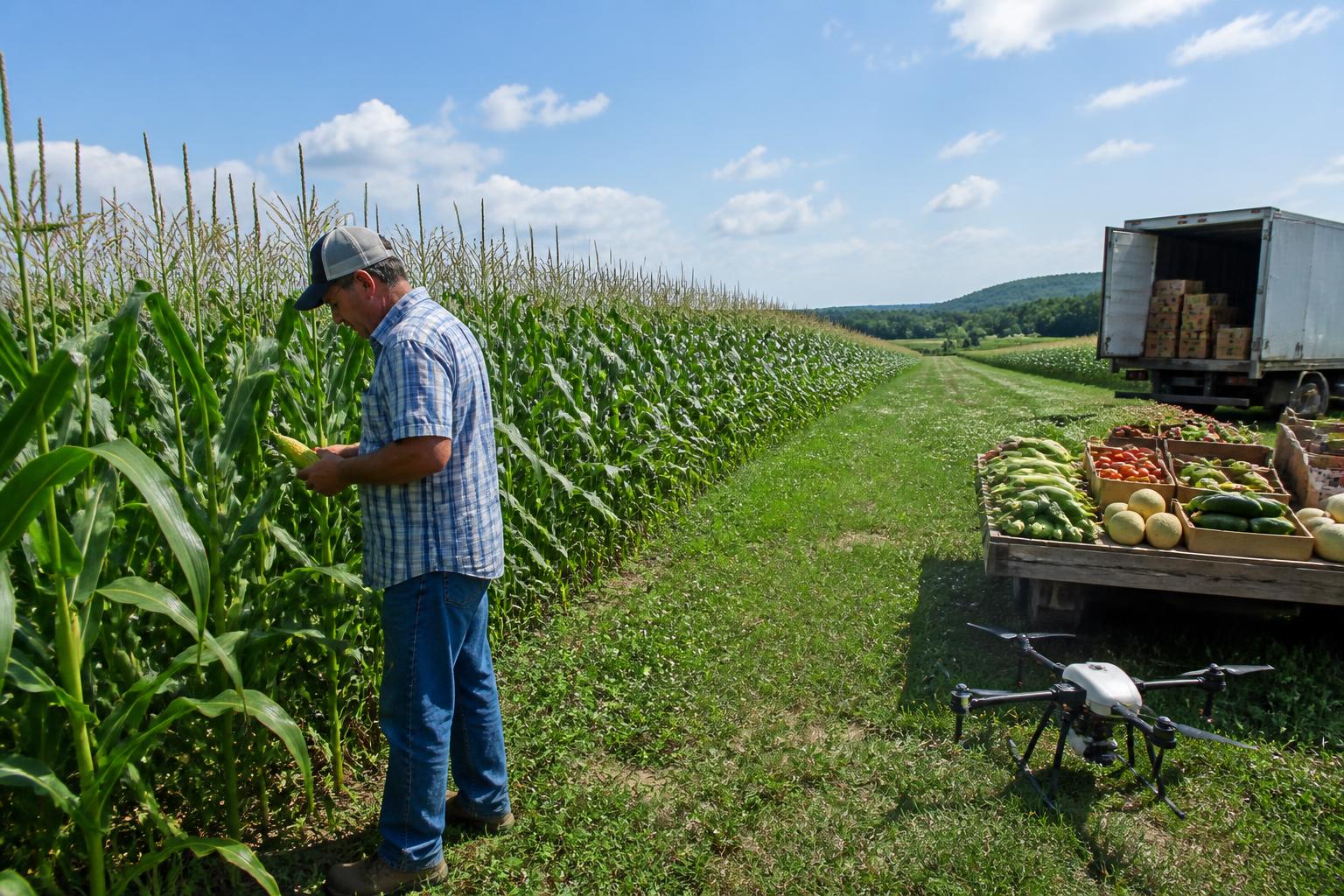
For Ohio producers, the mid-summer period serves as a critical window for fine-tuning grain management plans. With harvest preparations on the horizon, regional logistics and elevator accessibility remain at the forefront of operational planning. Recent industry announcements regarding the upcoming closure of major grain infrastructure in the state, such as the Cargill facility in Dayton, have brought the importance of site-specific contingency planning into sharp focus.
As growers assess their options for the season, understanding how to best navigate shifting grain infrastructure is essential. Changes in local elevator operations often ripple through the local supply chain, requiring farmers to anticipate potential adjustments in hauling distances and delivery timing.
Adapting to Infrastructure Changes
The evolving landscape of Ohio's grain network means that early coordination is becoming a standard practice for many operations. When regional hubs change their service models, the pressure often shifts to secondary elevators or on-farm storage solutions. For many growers, optimizing grain management during the busier months is key to maintaining margins. Ensuring that grain handling equipment is serviced before the peak of the season, and having a clear view of local site capacity, can help mitigate the risks associated with unexpected infrastructure adjustments.
Navigating Market Pressures
Beyond physical infrastructure, staying informed on current market dynamics is vital. As producers watch for updates from major agricultural reports, such as the market headwinds affecting Ohio grain, the focus remains on maintaining efficiency despite broader supply chain constraints. Whether dealing with late-season growth challenges or preparing for the upcoming fall harvest, the ability to remain flexible in how grain is stored and moved remains a significant competitive advantage.
What it means for the market: The ongoing consolidation and adjustment of regional grain handling assets in Ohio underscore a broader trend toward more centralized, efficient supply chains. For local growers and agribusinesses, this signifies that early logistical planning and diversified storage strategies are no longer optional but are fundamental components of maintaining harvest-time operational stability.
Comments
No comments yet - be the first to share your take.