
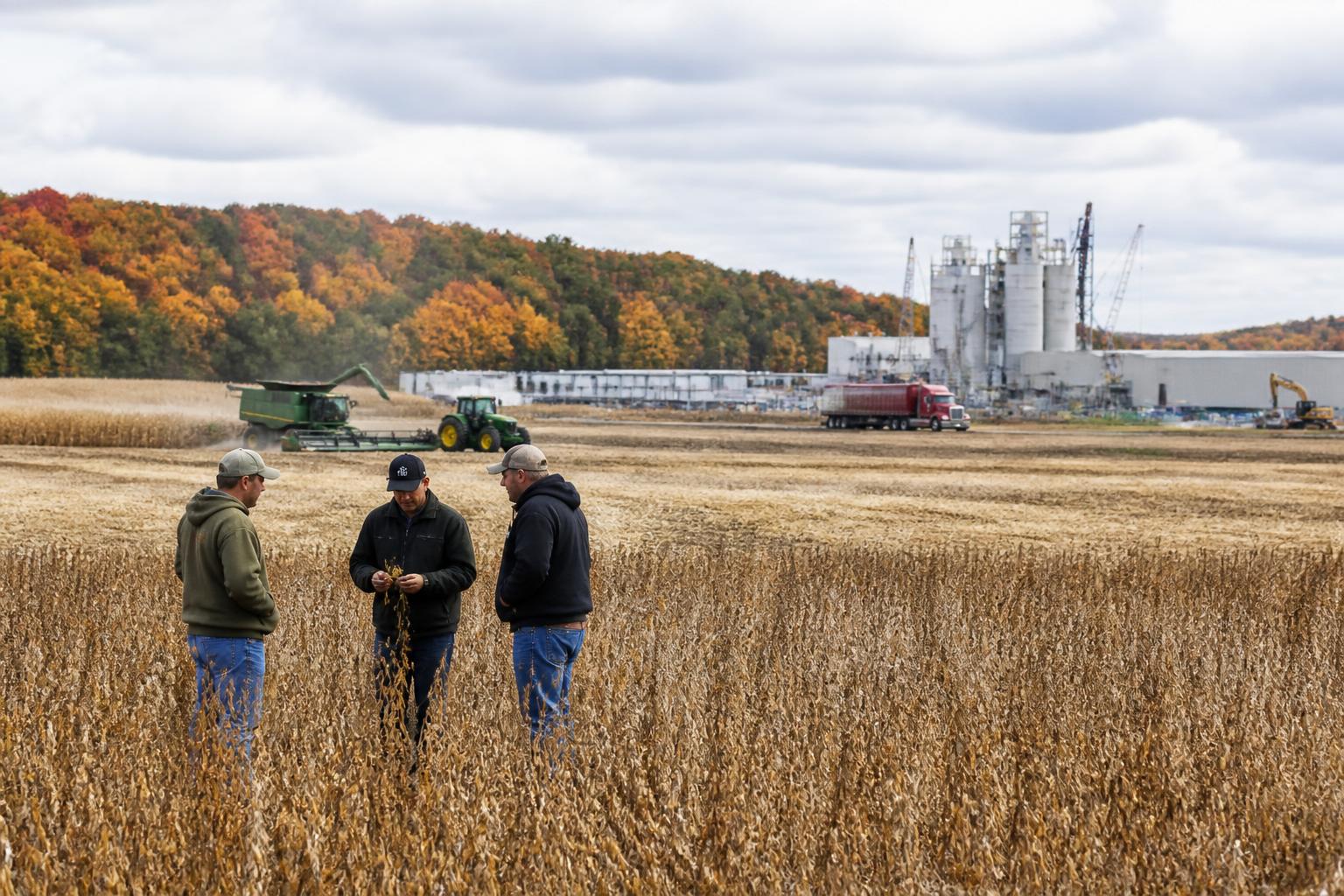
Wisconsin farmers are currently navigating a complex late-fall environment as harvest operations wrap up across the state. While favorable weather has supported field activity in some regions, the broader economic backdrop remains defined by elevated production expenses. From fertilizer inputs to the rising costs of utilities, agricultural operators are carefully managing margins during this high-activity window.
For producers looking to optimize their logistics and post-harvest workflows, understanding regional infrastructure is increasingly vital. Ongoing efforts to modernize transit points, such as those seen at the Port Milwaukee, reflect a broader push to streamline the movement of commodities through state corridors. Integrating efficient transport strategies is crucial for managing harvest transit flow effectively as local elevators experience peak seasonal volumes.
Expanding Processing Capacity
A significant shift on the horizon for the Wisconsin oilseed market is the ongoing development of new soybean processing infrastructure. The construction of large-scale facilities, such as the major processing plant currently underway in the state, offers a potential long-term boost for local crush capacity. This investment is viewed by many as a step toward reducing transit dependency and providing a more localized market for regional soybean production.
Input Management and Sustainability
Beyond logistics, the focus remains on input efficiency. As fertilizer prices continue to be a primary concern for farm balance sheets, some producers are exploring innovative ways to manage nutrient application. Technologies and facilities, like the recently operationalized organic nitrogen production at Kinnard Farms, highlight the ongoing industry pivot toward diversifying supply chains for essential agricultural inputs. Maintaining a sharp eye on these developments can help operators adjust their seasonal transit and terminal flow to align with shifting processing needs.
What it means for the market
For Wisconsin agribusinesses and producers, the current market climate favors a cautious approach to cash flow and logistics. While the prospect of increased local processing capacity brings optimism for future basis levels and transport efficiency, immediate success remains tied to disciplined cost management in an era of persistent input price volatility. Aligning your marketing strategy with current local infrastructure upgrades and monitoring regional processing timelines will be key as we head into the winter planning cycle.
Comments
No comments yet - be the first to share your take.