
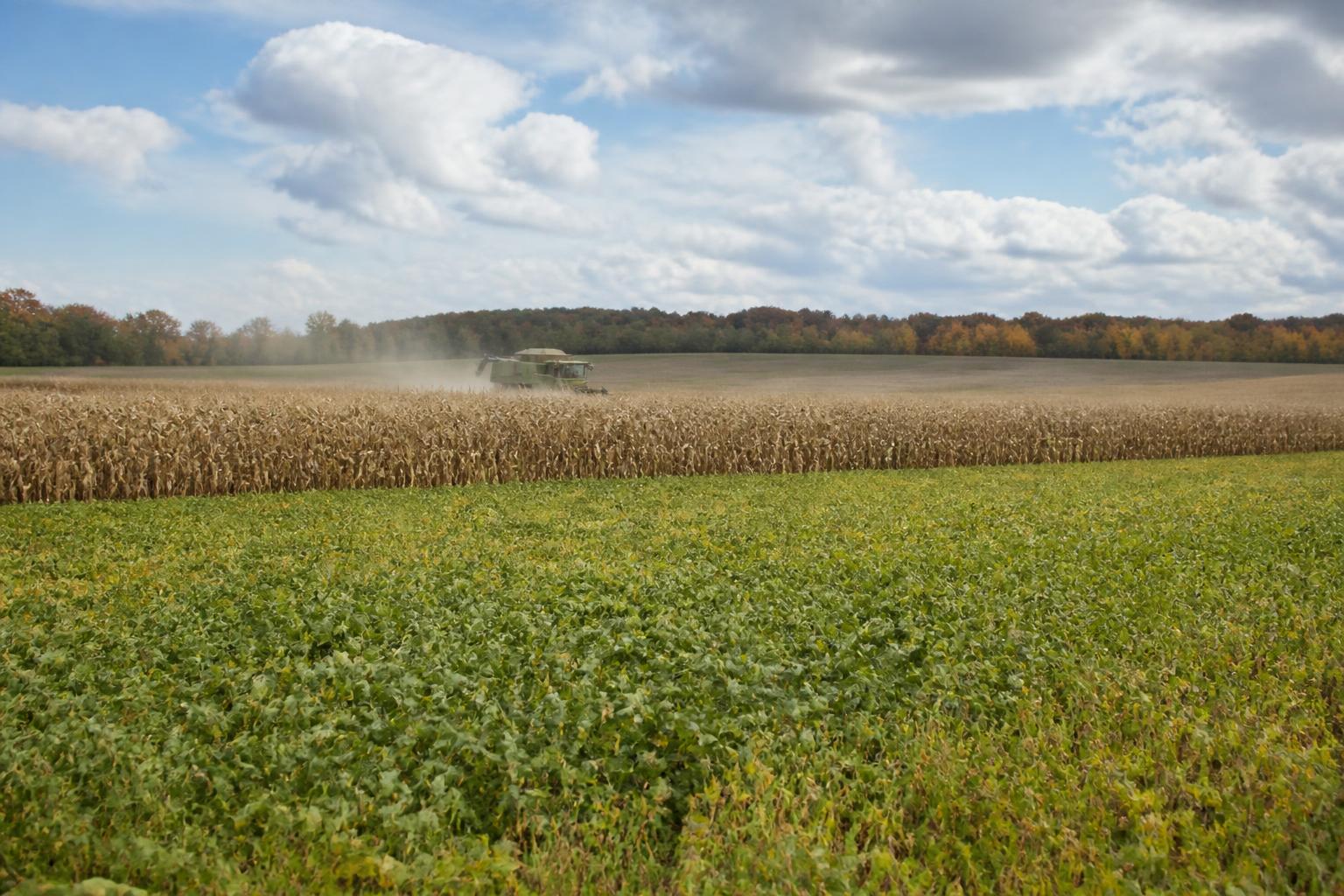
The 2026 harvest season in Ohio is reaching its final stages as producers assess the cumulative impact of an unusually wet August. While moisture levels were a concern earlier in the season due to heightened disease risks and challenging field conditions, the focus has now shifted entirely to logistics and output management.
For growers across the state, the current window is critical for navigating operational risks that often accompany a late-season push. Market observers note that cash bids have shown sensitivity recently, reflecting broader regional supply pressures. Producers are carefully balancing storage decisions against local demand, particularly as some facilities adjust their processing capacities, which can temporarily alter local grain flows.
Infrastructure and Policy Shifts
Beyond the field, the legislative environment is providing some relief for land owners. Recent updates to the Current Agricultural Use Value (CAUV) program are expected to impact tax obligations for many, offering a potential cushion against rising production costs. Furthermore, discussions regarding fuel tax holidays are being closely watched by agribusinesses and carriers who manage the movement of inputs and harvest supplies.
Managing Input Costs
As the sector looks toward the next cycle, the focus is turning to input procurement. While fertilizer price fluctuations remain a standard variable in budgeting, farmers are increasingly looking at precision technology and university-led research to optimize output. This includes ongoing collaboration on specialty grain production and advancements in horticultural technologies that are being tested across various Ohio counties.
What it means for the market
The convergence of late-harvest logistics and shifting land use policies suggests that Ohio growers should prioritize flexibility in their storage and sales strategies. As the region moves toward the end of the year, keeping a close eye on local elevator capacity and maintaining awareness of infrastructure costs will be essential for maintaining a resilient bottom line heading into the 2027 planning season.
Comments
No comments yet - be the first to share your take.