
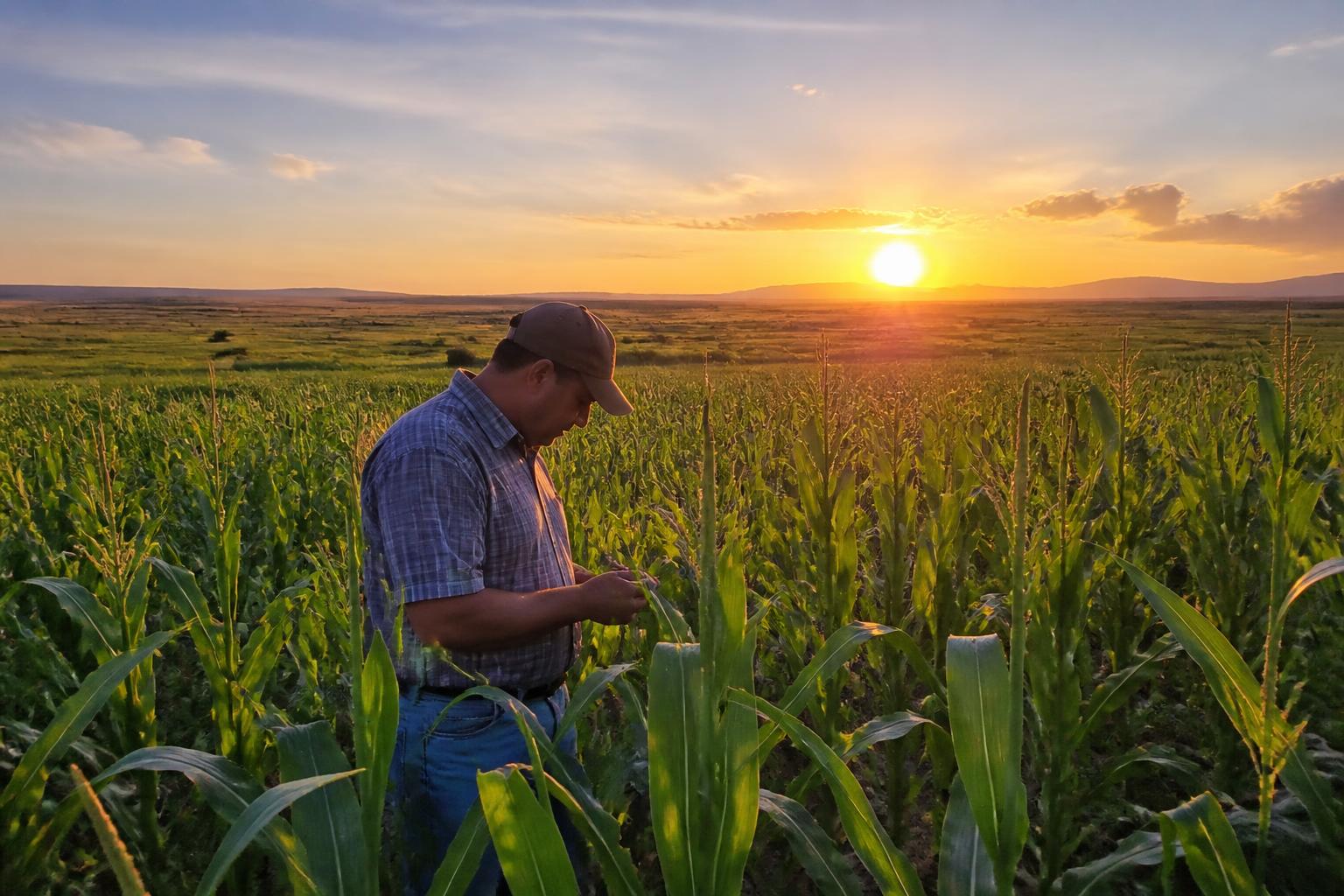
Mid-summer in New Mexico presents a complex landscape for the state's agricultural sector. From the sprawling desert grasslands to established livestock operations, producers are currently navigating a mix of domestic and international pressures that demand careful operational planning. With the season now in full swing, the focus remains on sustaining productivity while monitoring external economic factors that could influence the bottom line.
Trade Policy and Export Logistics
Recent developments in international trade policy have introduced a new layer of uncertainty for those involved in cross-border commerce. As discussions surrounding regional trade agreements continue to evolve, many producers are keeping a close watch on potential tariff adjustments. For New Mexico's agribusinesses, these shifts often highlight the importance of supply chain flexibility. Increased scrutiny of export logistics, particularly with new terminal expansions at major coastal hubs, suggests a broader industry push to diversify market access and streamline the movement of commodities.
Input Costs and Operational Resilience
Despite recent market volatility, there is a cautious sentiment that the pressure on input costs may be temporary. Producers are encouraged to assess their procurement strategies for fertilizers and other essentials as they prepare for late-season cycles. Maintaining a firm grip on operational expenses remains a priority, especially as the industry navigates broader economic fluctuations. For those managing long-term investments, such as New Mexico fertilizer market conditions, staying informed on global supply pressures is essential for effective budgeting.
Heightened Vigilance in Livestock Management
Operational success in the summer heat also relies heavily on maintaining rigorous biosecurity standards. Producers are reminded to remain proactive regarding health threats, as the risk of foreign animal diseases persists in warmer months. Managing livestock transport effectively, while staying updated on the latest screwworm-related movement restrictions, continues to be a cornerstone of regional herd protection.
What it means for the market
For New Mexico producers, the current market climate necessitates a hybrid strategy: stay flexible on logistics to mitigate trade-related delays while tightening internal controls over operational costs. By prioritizing animal health and monitoring trade updates, businesses can better navigate the remainder of the summer season despite the broader economic headwinds.
Comments
No comments yet - be the first to share your take.