
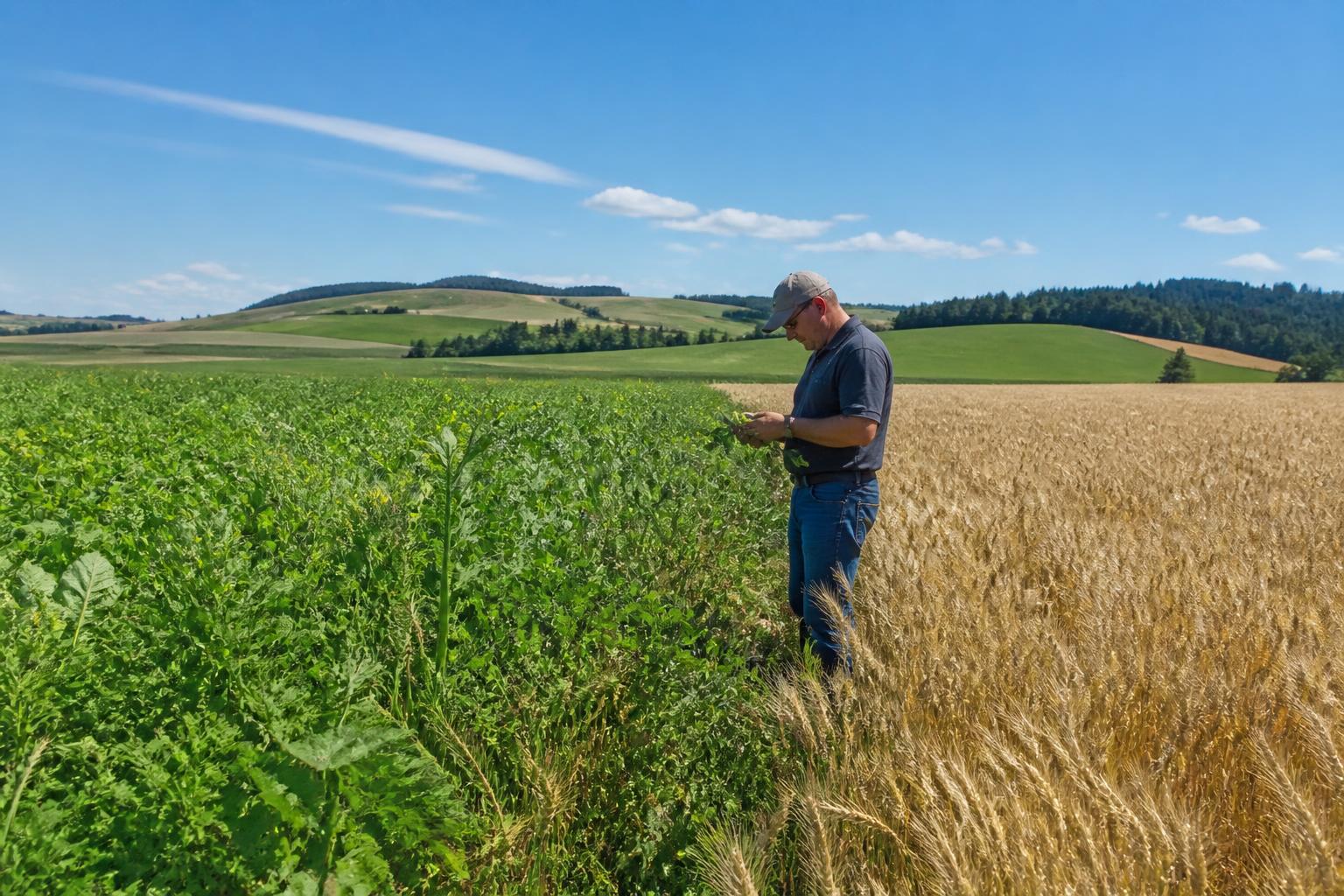
Addressing Persistent Invasives in Oregon Fields
As the peak of the summer season progresses, Oregon producers are maintaining a high level of vigilance regarding invasive species that can impact crop viability. From the persistence of Himalayan blackberry in riparian zones to the management of glyphosate-resistant Russian thistle in wheat-growing regions, the integrated approach to crop protection remains a critical operational priority. Effective management often requires a combination of mechanical removal and carefully timed applications to prevent these weeds from outcompeting core commodities during the final growth stages of the season.
Strategic Planning Amidst Operational Headwinds
Beyond weed suppression, the broader agricultural landscape in Oregon is feeling the influence of shifts in market demand and resource allocation. Recent reports indicate that some regional facilities have faced restructuring, while producers continue to refine their input purchasing strategies to better align with current grocery pricing trends. In many parts of the Willamette Valley and along the coast, farmers are increasingly looking toward sustainable field practices, such as summer cover cropping, to preserve soil moisture and health during the dry months. These tactical adjustments are helping growers buffer against the volatility often found in the current regional economic climate.
What it means for the market
For grain handlers, input buyers, and local agribusinesses, the current focus on adaptive pest management and cost-efficient field prep signals a pivot toward resilience. As the season nears harvest, monitoring regional developments in processing and supply chain stability will be essential for managing margins. Growers who prioritize early-season biosecurity and proactive land management are typically better positioned to maintain consistent yields despite the evolving regulatory and economic pressures facing the state this year.
Comments
No comments yet - be the first to share your take.