
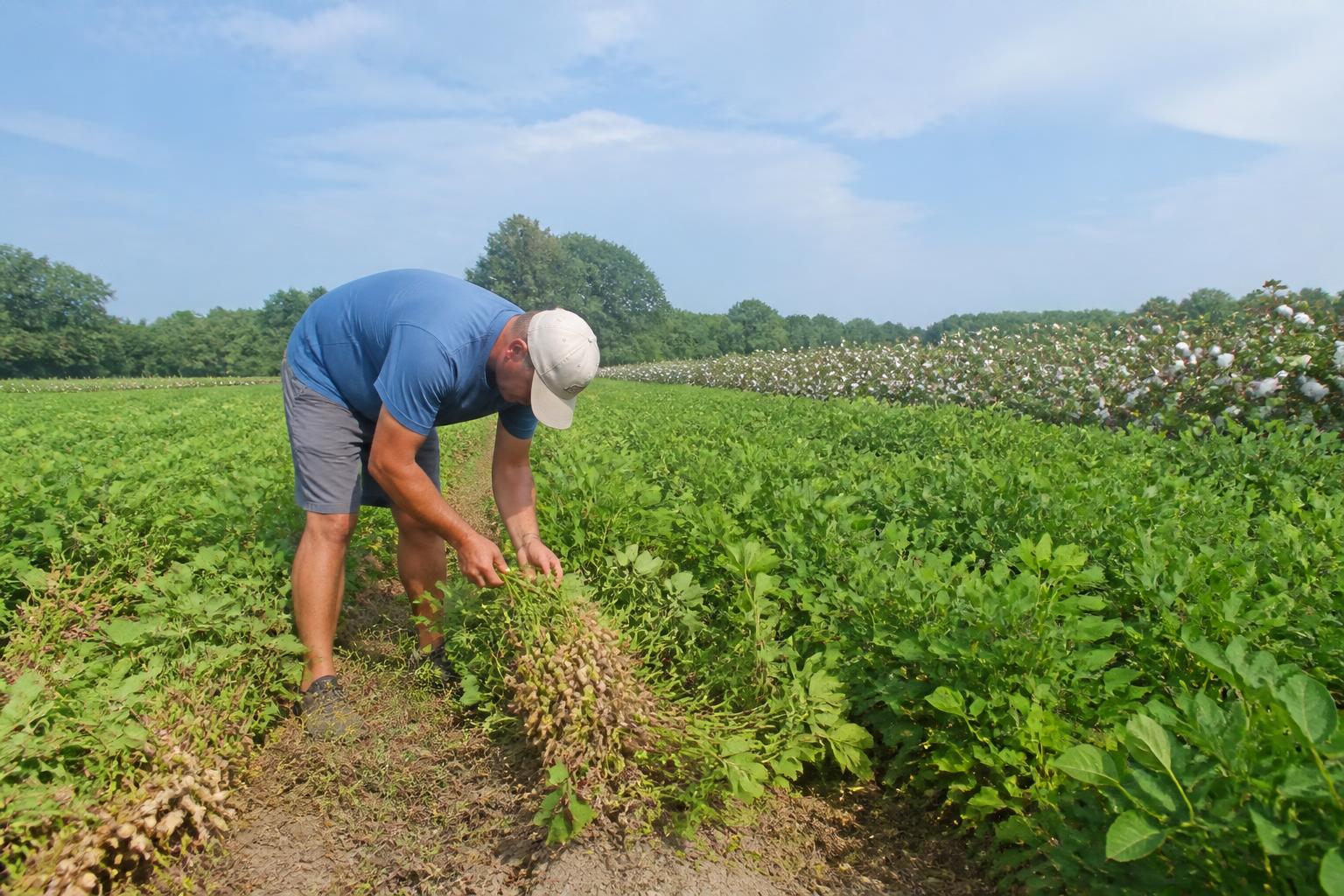
As the summer growing season moves into August, South Carolina producers are balancing a range of operational challenges. While the industry continues to recover from regional weather impacts, the focus for many farmers remains squarely on maintaining crop integrity through rigorous protection programs. Management of pressure from pests and diseases remains a primary concern for operations across the state, particularly in crops like peanuts, where specialized scouting and intervention strategies are often necessary to safeguard yield potential.
Input management is undergoing a significant transition. Many growers are evaluating the role of biological inputs as they navigate shifting market dynamics and concerns regarding conventional chemical applications. This trend toward alternative crop protection methods is becoming a central theme in navigating long-term sustainability within the regional agricultural framework. Simultaneously, producers remain vigilant against new environmental threats, as evidenced by recent state initiatives to monitor for invasive species that could impact local field crops.
Market Pressures and Operational Planning
Beyond crop protection, commodity markets are presenting their own set of challenges. Cotton growers are currently contending with a landscape characterized by high supply and softening demand, forcing a re-evaluation of production costs and long-term viability. As producers look ahead to future seasons, discussions around the potential for re-introducing alternative varieties or expanding the diversity of the state's crop portfolio are gaining traction in agronomist circles.
Logistical oversight remains a vital component of the current agricultural cycle. Whether moving inputs into the state or coordinating the transport of early harvested commodities, efficient management of the supply chain is essential. Producers are urged to maintain close communication with grain handlers and transport providers to navigate the complexities of regional infrastructure and seasonal demand spikes.
What it means for the market
The current market environment highlights a critical need for adaptive management. For South Carolina agribusinesses, the combination of cautious input investment and the need for high-efficacy pest management suggests that service providers offering precise, data-driven solutions will likely see sustained demand. Producers should focus on balancing cost-efficiency in their chemical programs with the biological alternatives gaining traction in the marketplace to ensure both crop health and financial resilience as the season matures.
Comments
No comments yet - be the first to share your take.