
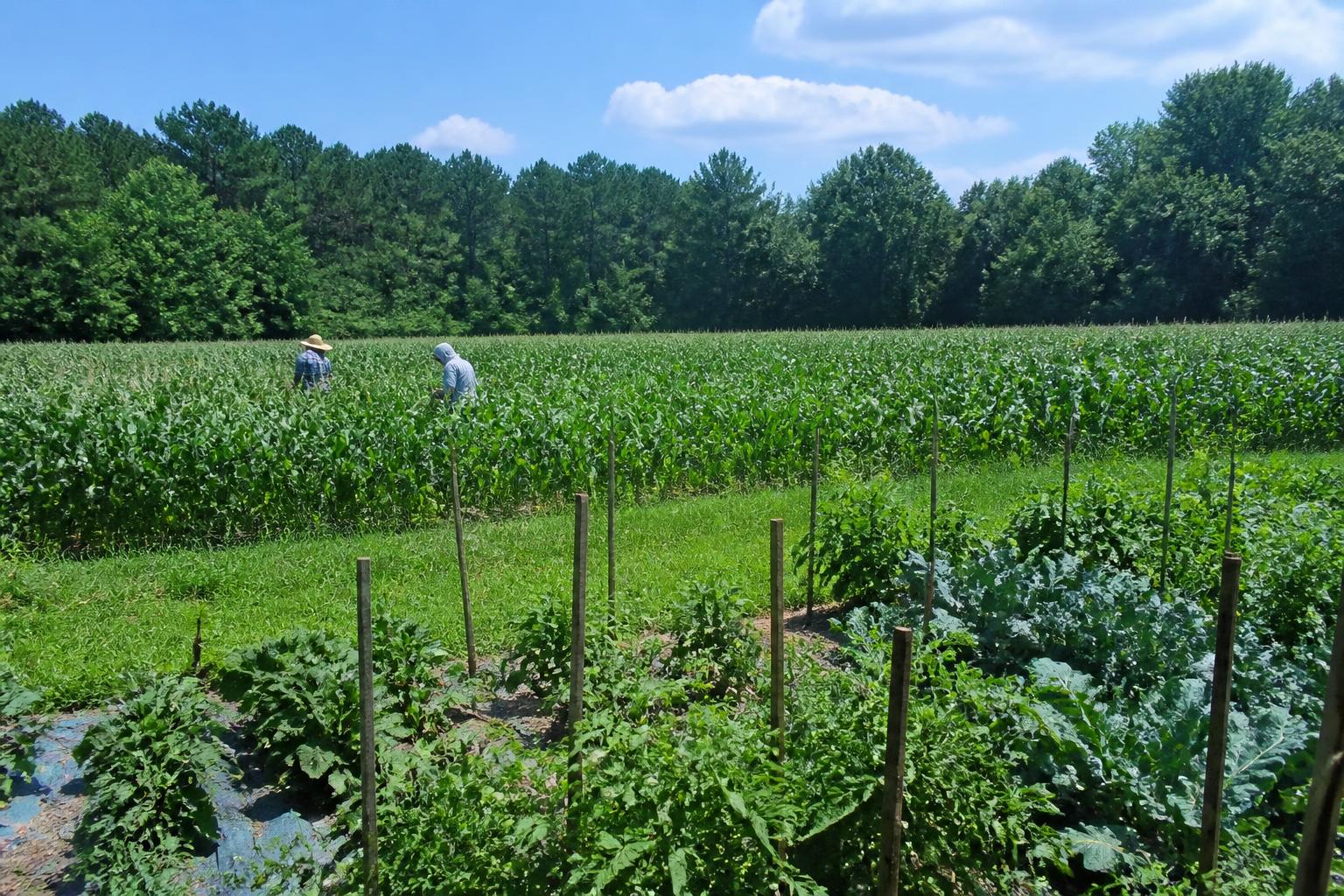
Mid-summer in South Carolina presents a familiar intensity for producers across the state. With high temperatures driving rapid crop development, the pressure on agronomists and farmers to maintain effective crop protection schedules has become a daily priority. Maintaining yield potential during this critical window often requires precise timing for herbicide and pesticide applications, particularly as weeds and pests thrive in the humid, warm conditions typical of July.
Adapting to Seasonal Production Demands
For those managing row crops, the challenge lies in balancing necessary chemical interventions with the growing interest in controlled environment agriculture and sustainable practices. As the state explores new avenues for market growth, many producers are looking toward technologies that allow for more precise resource management, potentially reducing input waste while enhancing overall yield stability. This shift is increasingly important as operators work to maintain competitiveness in a tightening global market.
Long-term Resilience and Land Stewardship
Beyond immediate crop protection, the broader conversation in South Carolina agriculture is increasingly focused on the future of rural land. The preservation of working farms is vital for regional economic stability, especially as land use pressures change. For many farmers, the goal is to integrate climate-resilient practices directly into their operations, ensuring that the soil and environmental health remain productive for future seasons. This long-term mindset is becoming a hallmark of South Carolina's evolving agricultural landscape, where heritage meets innovation.
What it means for the market
Producers should stay focused on monitoring localized pest pressures while accounting for potential logistical bottlenecks during the busy summer haul. As competition for resources remains high, investing in reliable crop protection strategies and staying informed about land use developments can help mitigate risk. Those who prioritize efficiency and resilience are best positioned to navigate the remainder of the growing season successfully.
Comments
No comments yet - be the first to share your take.