
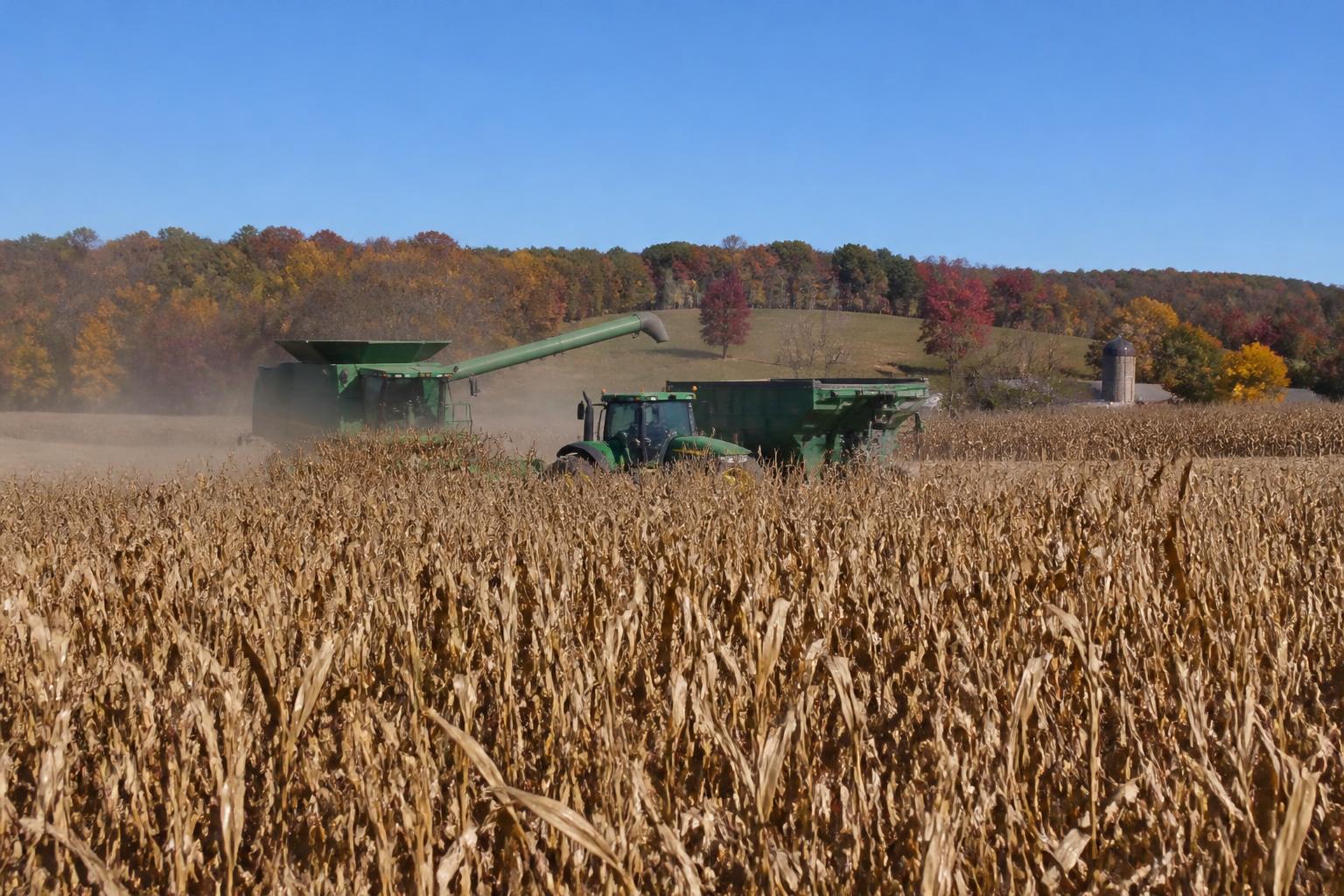
As harvest winds down across much of the Hawkeye State, reports from the field indicate a productive season. Many growers, particularly in southeast Iowa, have noted favorable yields, with some describing the corn crop as having significant ear size and robust development. This surge in production is providing a needed boost to the financial outlook for many operations, with strong working capital levels reported as a key driver of current producer sentiment.
Beyond immediate harvest logistics, the industry is increasingly focused on the intersection of long-term operational resilience and supply chain management. Large corporate buyers are continuing to integrate regenerative agricultural practices into their supply chains, signaling a shift that could influence future procurement and contracting models. These initiatives often encourage producers to evaluate their land management practices, from soil health to potential crop rotation adjustments.
Evaluating Operational Flexibility
With harvest processing and infrastructure capacity remaining a central concern for many local cooperatives, farmers are balancing the push for speed with the reality of storage constraints. The current logistical environment in Iowa continues to challenge producers, requiring careful coordination between field machinery, transport, and local elevators to maintain momentum before the season fully closes.
Looking ahead, there is growing interest in diversifying cropping systems, including the role of winter wheat. While not a primary staple, some analysts suggest that incorporating wheat may offer benefits in risk management and soil structure, providing farmers with another tool to navigate evolving market pressures. Additionally, ongoing discussions regarding regulatory reform for the fertilizer industry are being watched closely, as any legislative shifts could impact future input costs.
What it means for the market
For Iowa agribusinesses and producers, the current environment is defined by a mix of high yields and complex long-term transitions. While current capital positions are strong, the focus for the coming months will likely turn toward optimizing grain marketing strategies and navigating the evolving demands of corporate supply chain initiatives. Maintaining flexibility in both storage and input procurement will be essential as the industry prepares for the next production cycle.
Comments
No comments yet - be the first to share your take.