
In the heart of the summer season, Rhode Island producers are focusing on the delicate balance of maintaining efficient logistics while managing external pressures. The infrastructure needs and local market access remain top priorities for regional growers as freight movement intensifies during these warmer months. Whether moving specialty crops to local distribution points or managing inputs for seasonal demands, the ability to maintain predictable transport schedules is essential for maximizing harvest-season margins.
Managing Biosecurity and Transport Risks
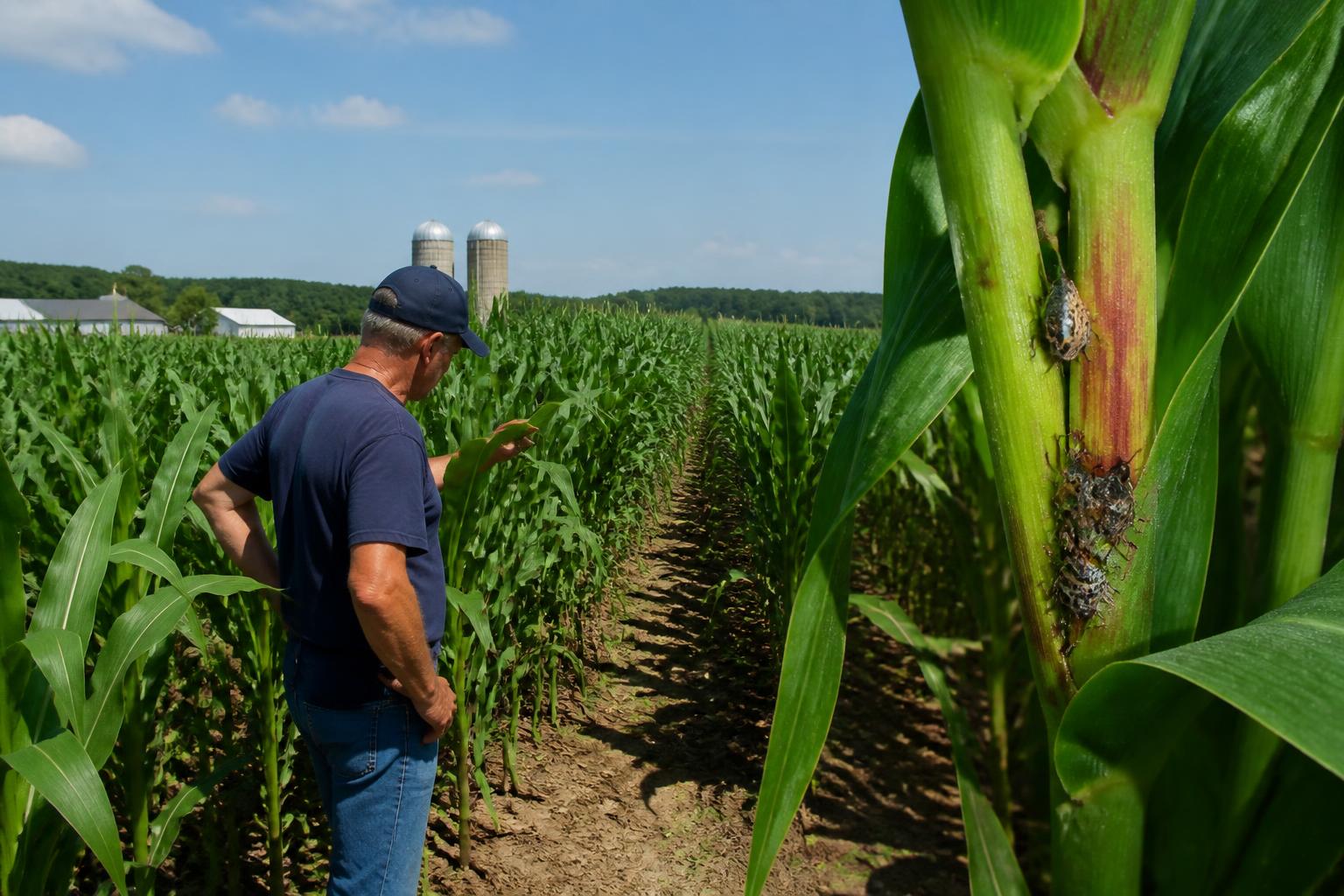
With seasonal activity in full swing, agricultural transport in Rhode Island is increasingly influenced by the need for vigilant pest management. Recent reports indicate that the spotted lanternfly remains a significant concern for regional growers, necessitating stricter attention to the movement of goods. For logistics operators, this means verifying cargo cleanliness to prevent the accidental spread of invasive species, a process that can add time and complexity to standard haul routes across the state.
Logistics in a Compact Agricultural Landscape
Rhode Island's unique geography presents distinct challenges for ag-logistics. From navigating dense urban corridors to ensuring that input sustainability aligns with reliable delivery windows, local agribusinesses are often required to be more adaptive than their counterparts in larger, more open states. Coordination between local elevators, small-scale producers, and carriers is critical, especially when balancing the demands of high-value crops against the constraints of regional road networks.
Planning for the Late Summer Shift
As the season progresses, those involved in regional distribution may see shifting freight numbers, a trend commonly observed as supply chain patterns adjust to the mid-to-late summer harvest cadence. Successfully navigating these mid-summer transport realities involves proactive communication between farm-gate operators and dispatchers to mitigate the impact of traffic congestion and potential equipment bottlenecks that often arise as activity levels reach their peak.
What it means for the market
For Rhode Island farmers and logistics providers, the current market environment emphasizes the value of regional agility. By prioritizing strict biosecurity protocols and closely monitoring the interplay between infrastructure capacity and seasonal harvest volume, producers can better protect their operations from avoidable delays. Staying informed on regional transport bottlenecks and maintaining strong local network connections will be the primary lever for sustaining profitability through the remainder of the summer.
Comments
No comments yet - be the first to share your take.