
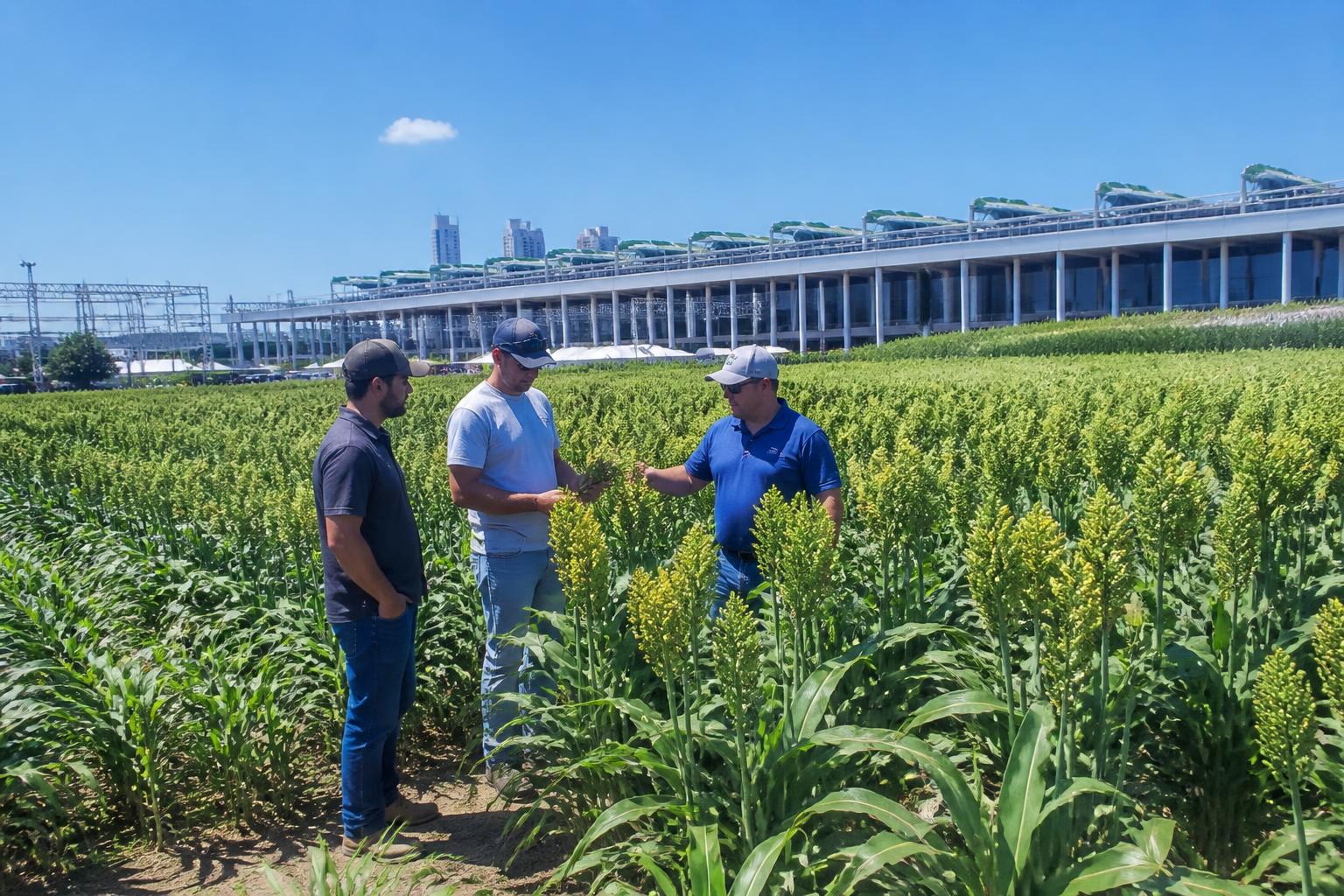
As we move deeper into the summer season in New York, producers and grain handlers are keeping a close eye on input availability. While regional logistics remain focused on managing seasonal maintenance and preparing for upcoming harvest windows, the broader market is feeling the ripple effects of global supply chain shifts. For many New York farmers, particularly those managing nutrient applications or assessing mid-season needs, the current environment demands careful oversight of input inventories.
The market for fertilizers remains a primary concern as trade barriers and export restrictions abroad can often disrupt steady supply flows into the U.S. interior. For those interested in long-term efficiency, understanding these shifts is key to assessing mid-season market pressures that may affect regional input costs. Producers are encouraged to coordinate closely with local cooperatives and retail partners to secure necessary supplies before late-season logistics become more congested.
Navigating Supply Risks and Field Management
Operational stability depends on both procurement and proactive field management. As weather patterns influence crop development across the state, ensuring that protection programs are optimized is a top priority for agribusinesses. Managing these factors effectively can help mitigate risks associated with volatile input prices, as explored in recent analysis on navigating New York crop protection.
Furthermore, staying ahead of potential disruptions requires a balanced approach to both modern technology and traditional logistics. Whether it is adopting new seed treatments or streamlining field service routes during the busy summer months, small gains in efficiency often add up. For more context on balancing these operational demands, read our guide on protecting New York crop yields during mid-season heat.
What it means for the market
For New York grain handlers and farmers, the current market signals a period of heightened vigilance regarding cost management and inventory security. With global conditions creating potential bottlenecks, securing inputs early and maintaining open communication with suppliers remains the most practical strategy to buffer against price volatility as the season progresses toward the autumn harvest.
Comments
No comments yet - be the first to share your take.