
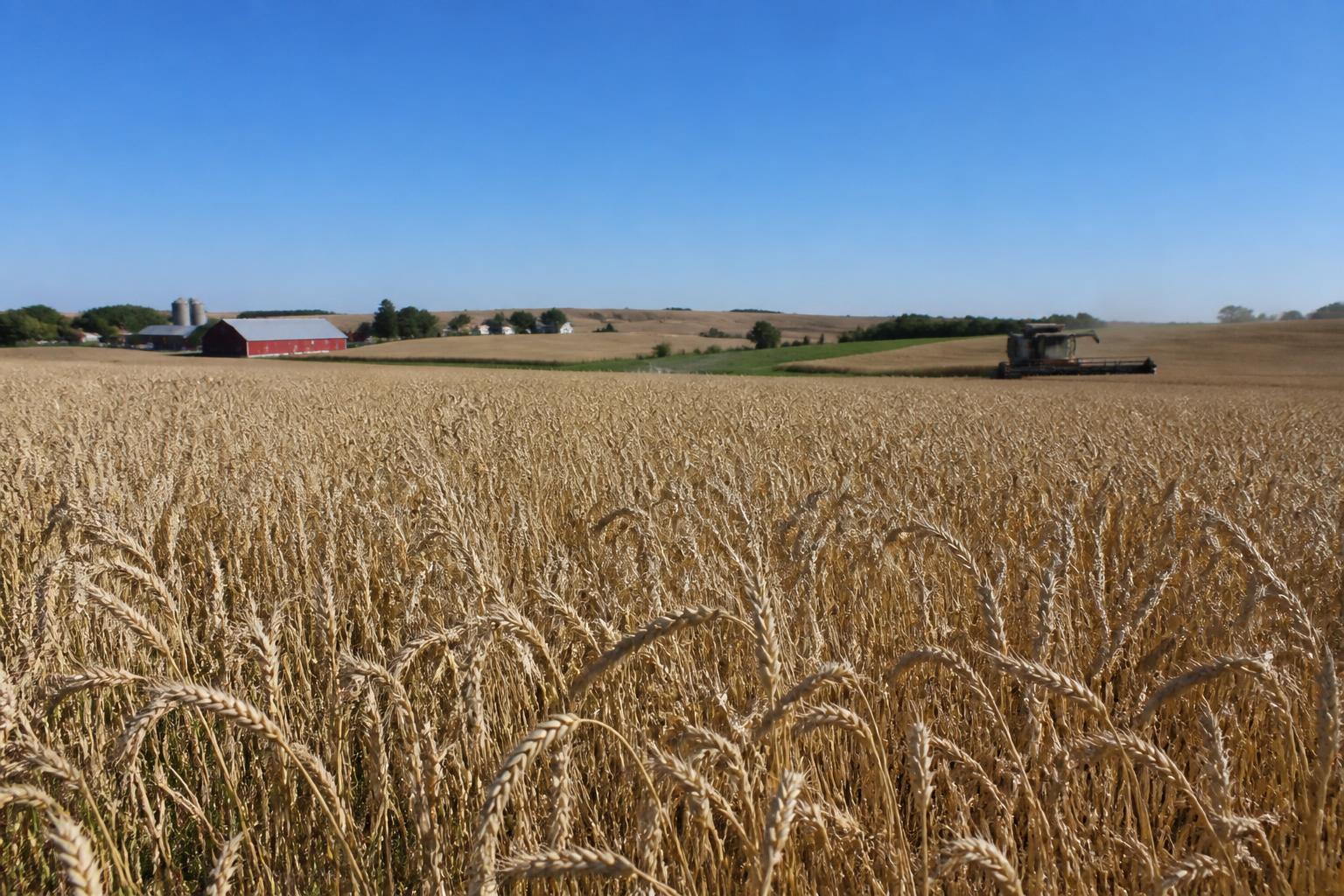
Mid-summer in Nebraska brings a distinct set of operational challenges for corn and soybean producers. With the season now well underway, many growers are actively monitoring their fields for signs of disease and environmental stress. Recent reports indicate that some producers are rethinking their approach to fungicide applications as they manage concerns related to pathogens like southern rust, which can quickly impact yield potential if left unchecked.
Effective crop protection strategies remain essential as we navigate the heat of August. Beyond disease management, the integration of new technologies and research—ranging from crop-boosting bacteria to advanced data management tools—is shaping how Nebraska farms operate in an increasingly data-driven environment.
Refining Input and Logistics Strategy
As farmers adjust their mid-season maintenance plans, logistics and input availability continue to be critical components of success. Managing the timing of these applications often requires close coordination with custom applicators and local retailers. Furthermore, as producers look toward the upcoming fall harvest, staying informed about logistical shifts and supply chain fluctuations can help minimize disruptions when the pace of operations accelerates.
Market Momentum and Policy Awareness
The agricultural landscape in Nebraska is also evolving through policy and industry initiatives. Recent legislative developments regarding farm data ownership are gaining attention, providing a new layer of protection for producers as they adopt precision agriculture tools. Meanwhile, regional boards continue to expand their reach, aiming to bolster market momentum and support long-term sustainability across the state's diverse growing regions.
Staying connected to these trends, from local input market volatility to evolving land-use practices, is key to maintaining a competitive edge throughout the fiscal year.
What it means for the market
For Nebraska agribusinesses and farmers, the current market climate rewards proactive management. Whether it is refining your fungicide strategy to mitigate late-season disease, keeping a close eye on input delivery timelines, or ensuring your data privacy remains secure, these small operational adjustments often aggregate into significant gains. As the summer season progresses, prioritize communication with your supply partners and keep a pulse on regional reports to navigate the remainder of the growing season successfully.
Comments
No comments yet - be the first to share your take.