
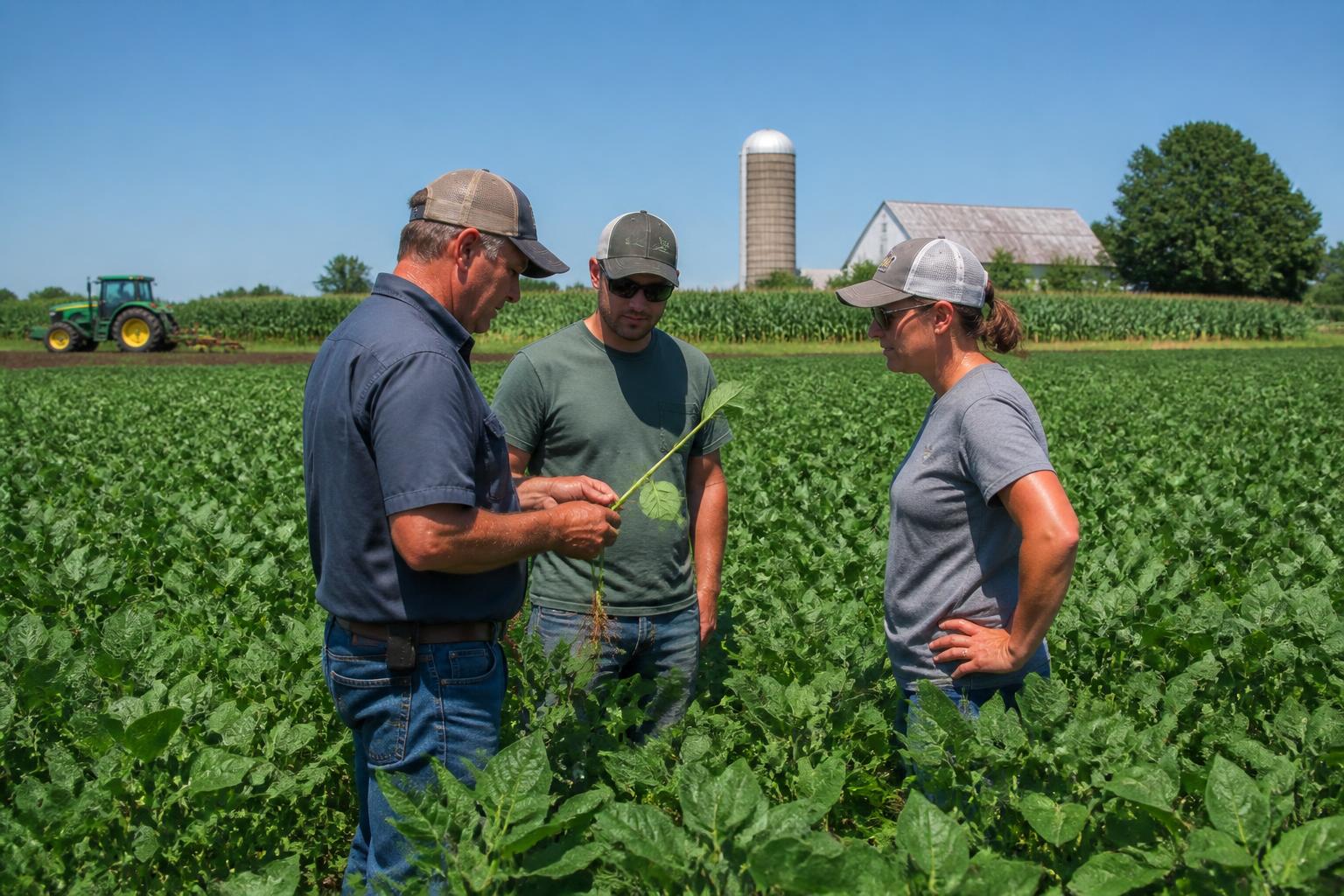
As Michigan producers move through the peak of the summer growing season, the focus remains fixed on crop health and the potential for quality-driven market adjustments. While field conditions in many regions have seen variable development, local elevators and grain handlers are increasingly emphasizing the importance of monitoring for late-season pathogens. Reports of VOM (deoxynivalenol) levels have prompted discussions among merchandisers regarding the potential for discounts on corn, heightening the need for producers to stay vigilant in their scouting and management efforts.
Protecting the bottom line has become more challenging as broader economic pressures influence the agricultural landscape. Recent analysis suggests that shifting trade environments and potential tariffs may contribute to elevated input costs for Michigan growers. For many, this uncertainty reinforces the need to navigate rising input costs for Michigan growers by optimizing fertilizer placement and exploring innovative tools to improve nutrient efficiency, such as phosphorus management strategies.
Quality and Logistical Considerations
Beyond immediate crop protection, logistical efficiency remains a cornerstone of seasonal success. As harvest preparation begins in some parts of the state, the reliability of local infrastructure remains a key point of interest for Michigan grain logistics and infrastructure. Maintaining clear communication with local storage facilities is essential, particularly when addressing quality concerns that may arise during the grain conditioning process.
Producers should also remain aware of environmental factors that have historically influenced regional production costs and operational safety. Collaborative initiatives between farmers and state agencies aimed at protecting water quality in local streams and rivers continue to be a vital part of sustainable land management across Michigan's diverse agricultural counties.
What it means for the market
The convergence of potential quality-based grain discounting and rising input costs means that margins will likely remain tight for the remainder of the season. To maintain competitiveness, growers are encouraged to prioritize precise disease monitoring and to stay updated on the latest grain buyer trends and market price shifts in Michigan. Preparing for a harvest that requires careful sorting and testing will be critical for those looking to mitigate the impact of disease-related price adjustments and ensure the best possible return on their crop.
Comments
No comments yet - be the first to share your take.