
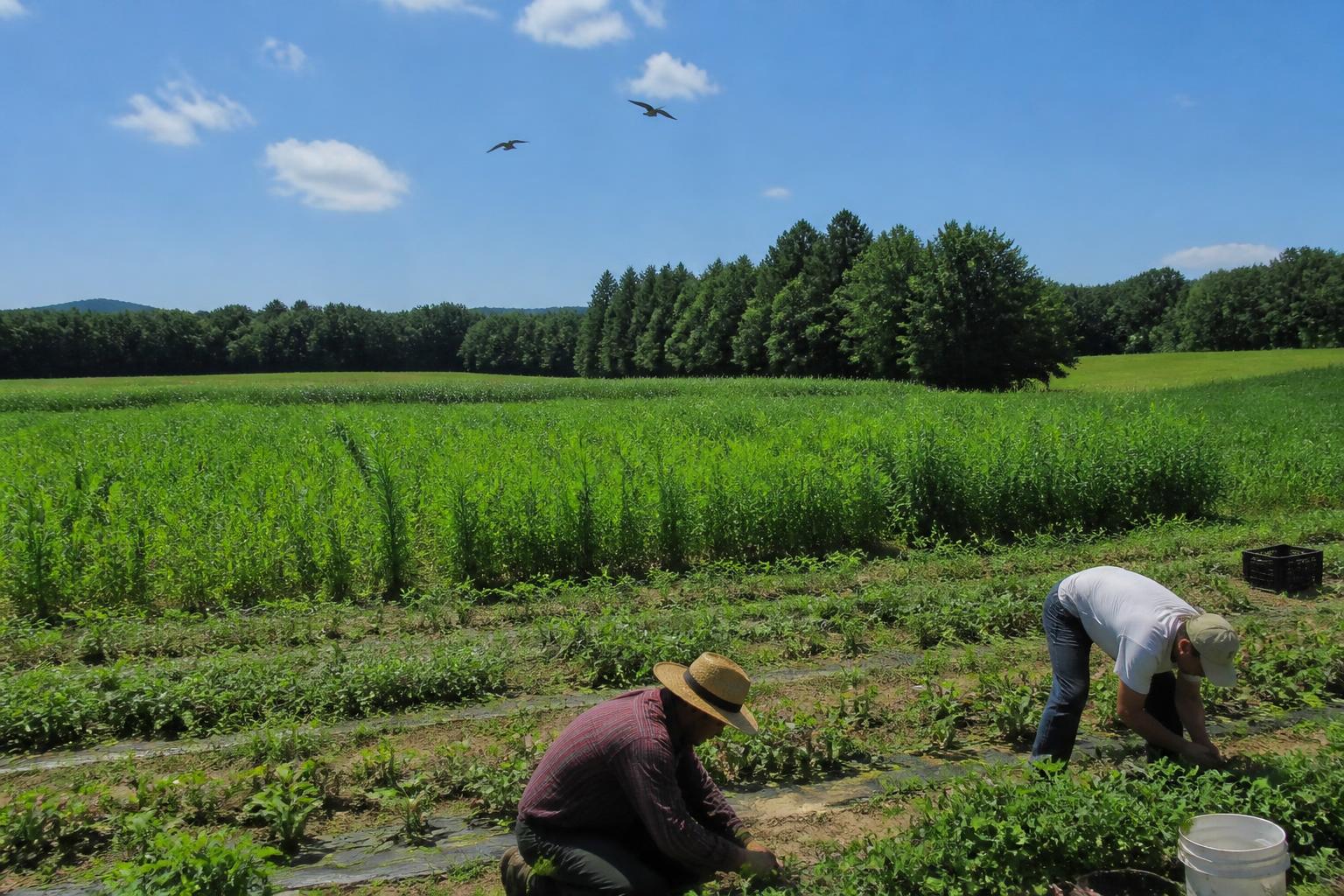
In the height of the summer season, Delaware producers are navigating a complex intersection of environmental challenges and shifting agricultural landscapes. As we move through August, the focus for many growers remains on managing field stability and protecting yields against the intensifying pressures of the Mid-Atlantic climate.
Recent studies have highlighted concerns regarding the impact of sea level rise on farmland across the Mid-Atlantic region. For coastal counties, this environmental reality serves as a critical consideration for long-term land management and soil health preservation. Growers are increasingly looking toward adaptive strategies to maintain operational viability as these encroachment patterns evolve.
Adapting to Regulatory and Land-Use Shifts
The agricultural landscape in Delaware continues to adapt to broader industry changes. From the oversight of specialty crops like hemp to the ongoing consolidation of input suppliers, staying informed is essential for operational planning. Monitoring shifts in crop protection strategies remains a priority as regional pressures fluctuate and chemical availability evolves. Similarly, keeping a pulse on fertilizer supply chains helps producers hedge against the volatility that often characterizes mid-season procurement.
Infrastructure and Logistics in the First State
Beyond the field, logistical efficiency continues to be a cornerstone of Delaware agribusiness. As state infrastructure projects, such as recent transportation center developments, reach completion, there is a potential for improved local movement, though farmers should continue to monitor seasonal traffic patterns and weight restrictions that can affect grain and input transit. Efficient logistics remain key to maintaining competitive grain market participation throughout the harvest cycle.
What it means for the market: Producers should prioritize soil resilience and stay agile regarding supply chain logistics. As the season progresses, focusing on risk mitigation—whether through careful monitoring of field-specific environmental pressures or maintaining strong relationships with local input handlers—will be the most effective way to protect profitability during these challenging summer months.
Comments
No comments yet - be the first to share your take.