
Mid-summer in Connecticut brings a unique set of challenges for local growers and agribusinesses. As we move through August, the combination of regional climate conditions and national commodity price trends continues to influence decision-making for those managing local grain stocks and input procurement.
Recent national reports have indicated a slight softening in corn prices, a trend that typically requires local elevators and livestock producers to recalibrate their purchasing strategies. Maintaining profitability while managing feed costs remains a priority for many operations across the state, from the dairy-heavy regions of Litchfield County to smaller diversified farms closer to the coast.
Innovating for Efficiency
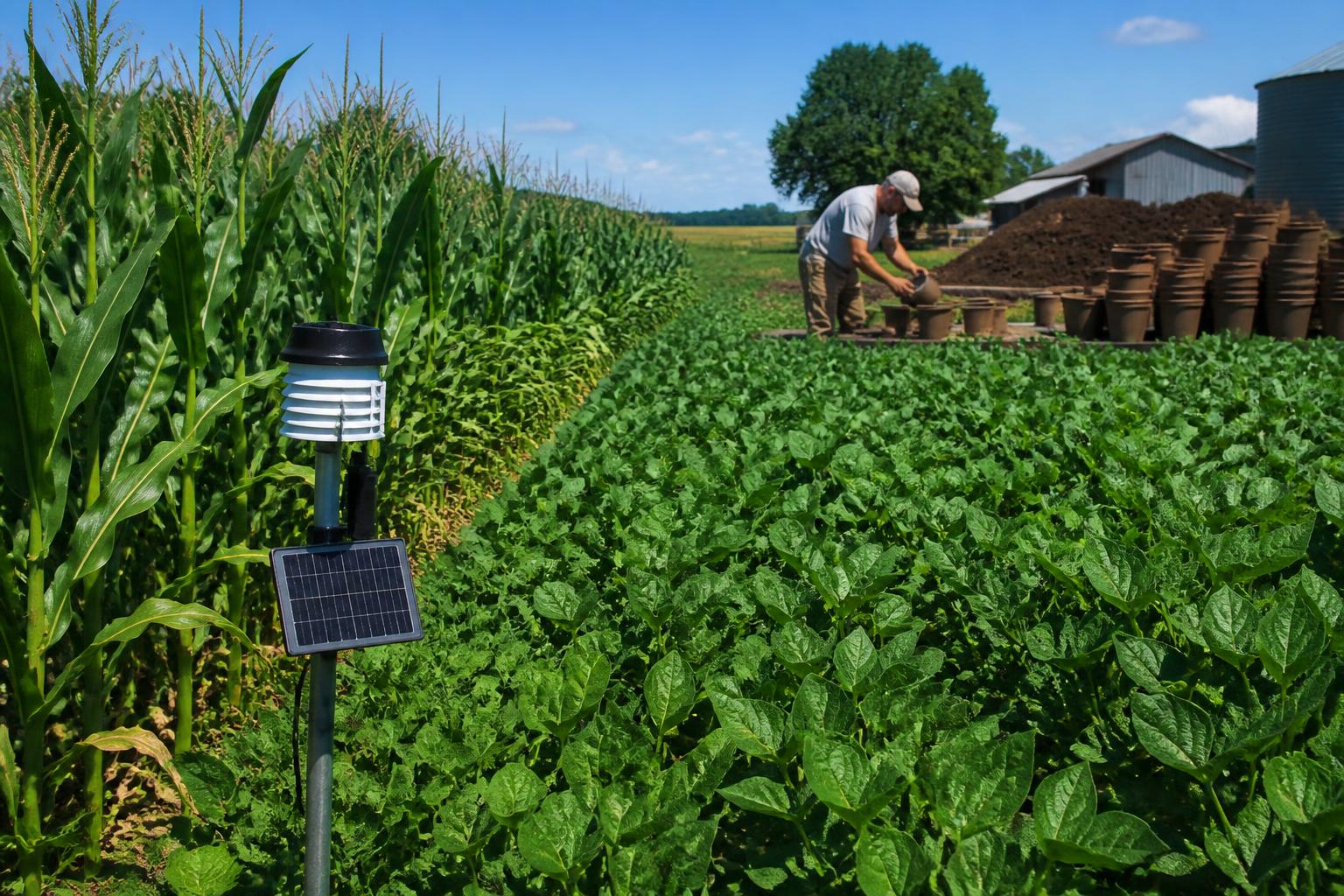
Technology remains a significant lever for Connecticut farmers looking to optimize their yields during the peak of the growing season. Research at institutions like UConn has focused on developing water-saving irrigation sensors, which may prove essential as producers navigate unpredictable moisture levels during the summer months. Integrating these tools can assist in precision management, potentially lowering operational overhead in the long term.
Market Sentiment and Logistics
For those tracking mid-summer grain trends, the focus often shifts toward seasonal inventory adjustments and preparing for the logistics of the upcoming harvest. Regional logistics, while influenced by national patterns, rely heavily on local throughput and the ability to move inputs effectively through Connecticut corridors. Producers should continue to monitor how national price signals might filter down to local procurement costs, particularly as they manage input costs in a shifting economic climate.
What it means for the market
The current market environment suggests a period of transition. While national grain prices show downward pressure, local producers are increasingly prioritizing resource efficiency to protect margins. Moving forward, the focus for Connecticut agribusinesses will likely remain on leveraging local technological advancements and maintaining a conservative approach to inventory management until the broader autumn market trends become more clear.
Comments
No comments yet - be the first to share your take.