
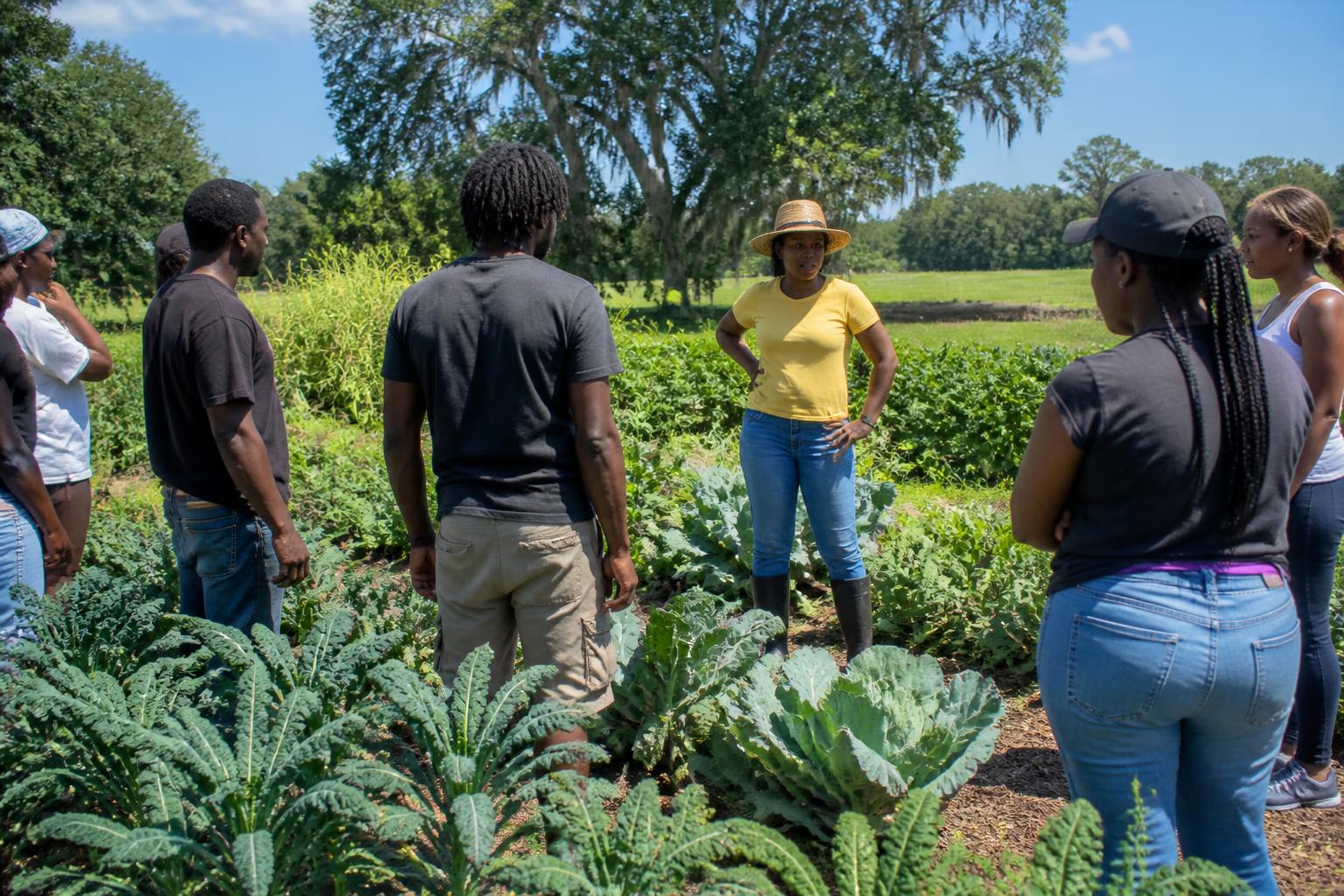
Mid-summer in South Carolina presents a unique set of challenges and opportunities for growers across the state. As temperatures remain high and the season progresses toward harvest, maintaining the integrity of field operations is vital for protecting yields. Proactive management strategies, from monitoring pest pressure to securing reliable transport, often define the difference between a successful season and one plagued by preventable bottlenecks.
For those managing corn and row crops, managing insect resistance remains a recurring focal point. Effective crop protection and sustainable practices are essential, particularly as pest cycles intensify under sustained heat. Growers who emphasize early-season planning and maintain rigorous scouting programs are typically better positioned to mitigate risks before they impact the bottom line.
Building Logistics Resilience
Transport logistics remain a key pillar for South Carolina agribusinesses. With harvest windows tightening, ensuring that grain movement and input delivery are aligned with current state road conditions and storage capacity is non-negotiable. Many operators are finding that early communication with carriers and regional elevator managers helps to bypass some of the common logistics hurdles inherent to peak harvest traffic. Maintaining clear channels for both inbound supplies and outbound commodity movement is a strategy used by resilient operations to keep the harvest momentum moving forward.
Diversification and Future-Proofing
Beyond traditional row crops, South Carolina agriculture is seeing a shift toward broader operational diversity. From Clemson-led research into salt-tolerant crops to the expansion of controlled-environment agriculture, the state's agricultural profile is evolving. This diversification can serve as a buffer, helping local operations mitigate risks associated with environmental variability and shifting market demands.
What it means for the market
For farmers and handlers, the current market climate rewards those who prioritize operational efficiency and proactive pest management. By aligning logistics strategies with crop maturity timelines and utilizing available research resources, South Carolina agribusinesses can better navigate the complexities of the summer season and prepare for the demands of the upcoming fall harvest.
Comments
No comments yet - be the first to share your take.