
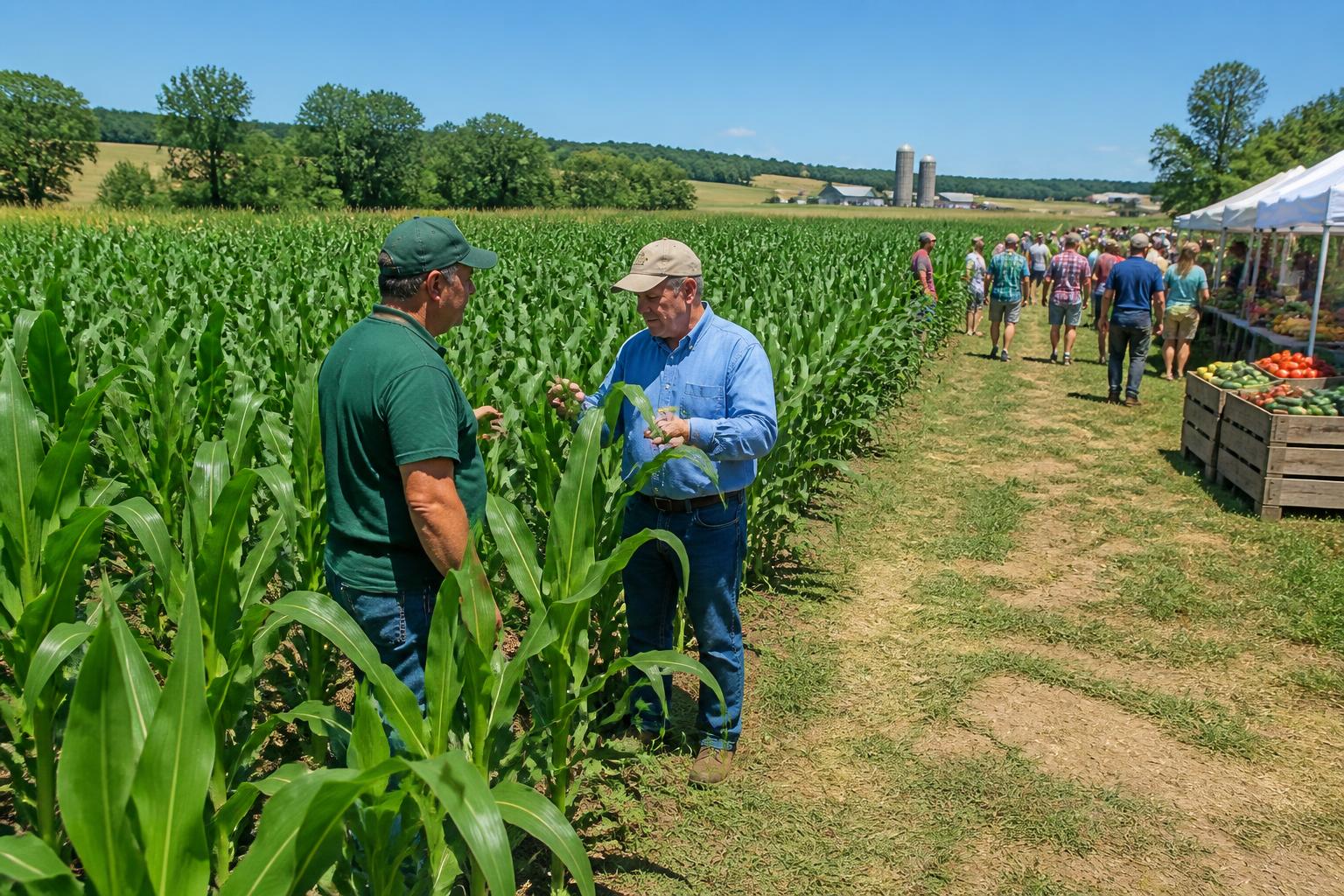
Mid-summer in Minnesota brings a critical focus to field health and long-term planning for regional agribusinesses. For many growers across the state, the current window is defined by careful observation of crop stress and the ongoing integration of local service providers, which can directly influence how producers manage their inputs and logistics for the remainder of the growing season.
As farmers work to optimize crop protection and input efficiency, the consolidation of local agricultural entities remains a focal point for the community. Recent efforts to unify cooperatives in various regions reflect a broader trend toward strengthening localized infrastructure. These changes may provide producers with more streamlined access to essential services and resources as they navigate a complex agricultural landscape.
Managing Field Performance and Resource Allocation
Attention remains high regarding late-season field management. Producers are encouraged to keep a close eye on nutrient health, as instances of late-season deficiency can often impact overall yield quality. When planning for upcoming applications, safety and precision remain the primary objectives for those handling materials like anhydrous ammonia. For those looking to refine their approach, understanding the nuances of aerial application and summer management strategies is essential to maintaining healthy crop stands in the heat of August.
Market Outlook and Regional Infrastructure
Beyond the field, the stability of the grain supply chain continues to be supported by ongoing trade initiatives and regional investments. While farmers keep a watchful eye on trade policies and global market shifts, the local focus is often on the physical movement of commodities and the availability of handling facilities. As cooperatives merge and expand, the ability to store and transport grain efficiently may improve for many, provided that logistical pressures remain manageable through the upcoming harvest season.
What it means for the market
For the Minnesota producer, the current climate necessitates a balance between immediate field management and long-term organizational planning. By staying informed on the consolidation of local service providers and adhering to rigorous safety standards during summer applications, growers can better position their operations to navigate the volatility of the broader grain markets. Stability in local infrastructure, combined with proactive crop protection management, serves as the foundation for a successful transition into the harvest months.
Comments
No comments yet - be the first to share your take.