
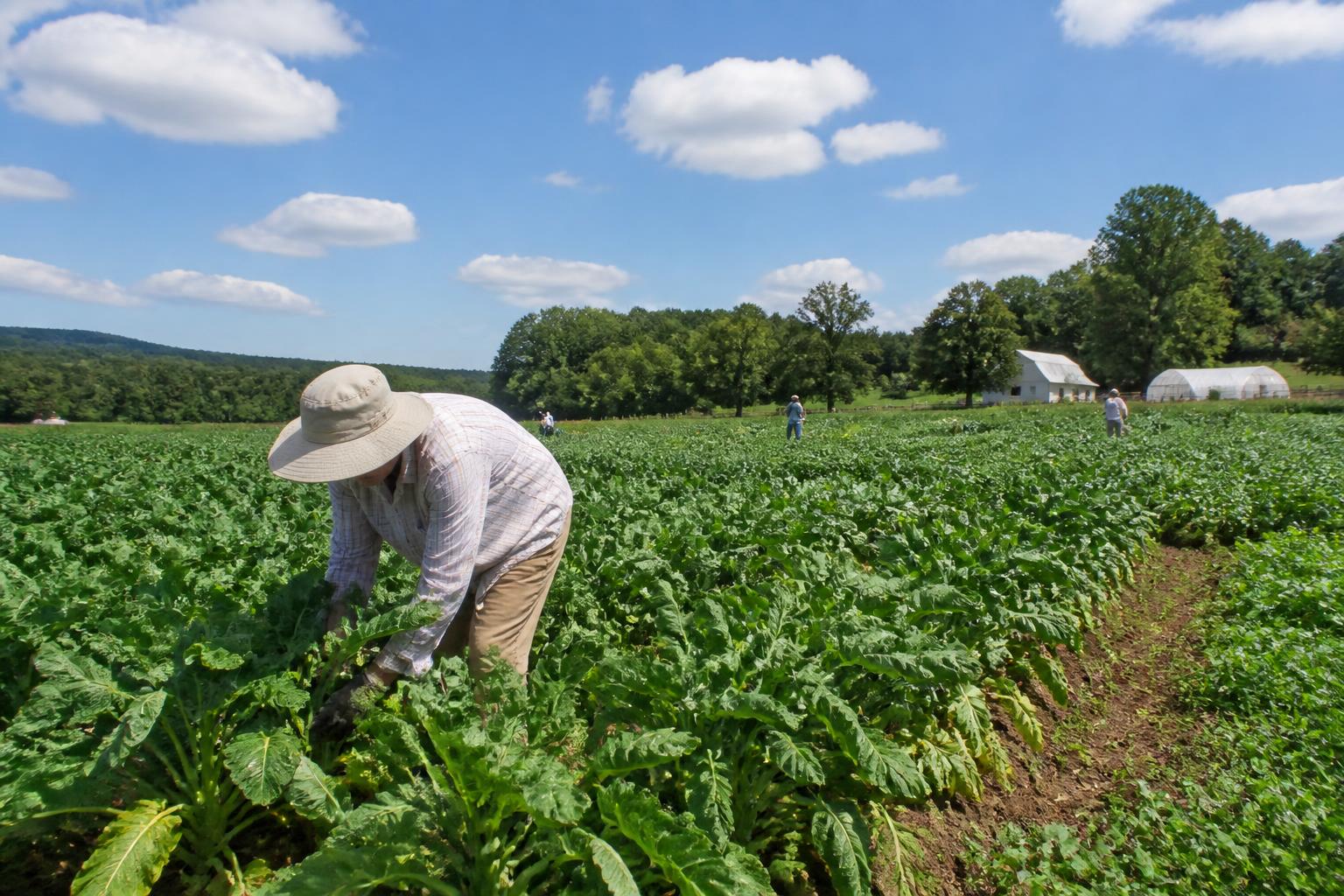
For many Vermont farmers, the height of the summer season remains a period of intense activity and strategic adaptation. With favorable weather windows, producers across the state are focusing on critical feed harvesting, balancing the immediate demands of the field with a broader, long-term approach to input management and land stewardship.
As operations look toward future cycles, the regulatory landscape remains a key consideration. The state continues to refine its approach to agricultural protections, ensuring that local growers can maintain productivity while navigating shifts in chemical usage policies. For those interested in deeper context on how these frameworks affect daily decision-making, Vermont farm resilience and management remains a primary topic of discussion among regional cooperatives and agribusiness stakeholders.
Aligning Productivity with Regulatory Shifts
The conversation around input procurement has evolved significantly as Vermont prepares for upcoming transitions, such as the phase-out of certain treated seeds. While these changes present logistical challenges, they also drive interest in alternative soil health practices. Many producers are now evaluating how soil health and fertilizer strategies can be optimized to maintain yields in a market that is increasingly sensitive to environmental impact and consumer transparency.
Furthermore, the integration of new outreach programs, including support for organic dairy, is creating additional pathways for farms to diversify their production models. These initiatives often help bridge the gap between historical farming methods and modern economic requirements, allowing for more robust operational structures.
Building Operational Longevity
Beyond immediate harvest logistics, there is a clear emphasis on securing the long-term viability of Vermont's agricultural footprint. Efforts to connect communities to working lands are helping to stabilize rural economies and protect the core infrastructure that local farmers rely upon. Strategies for navigating these seasonal and systemic pressures are increasingly centered on collective problem-solving and the adoption of more resilient production systems.
What it means for the market: Producers should anticipate continued volatility in input availability as regulatory standards evolve. Monitoring localized updates on restricted materials and engaging with regional organic dairy support programs will be essential for maintaining a competitive edge through the remainder of the season and into the next planting cycle.
Comments
No comments yet - be the first to share your take.