
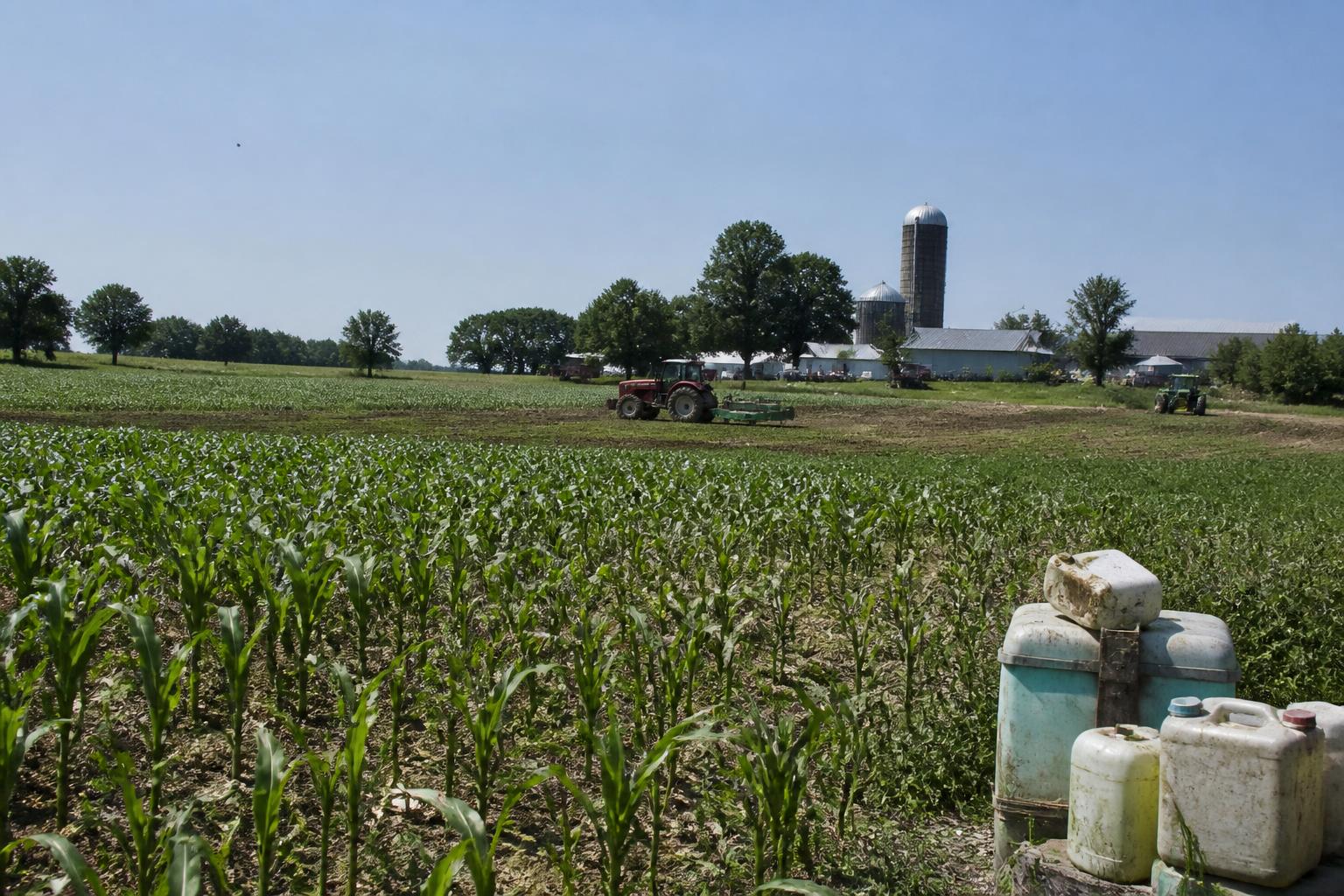
As the summer growing season reaches its peak across Vermont, agricultural producers are navigating a tightening landscape of environmental compliance and input management. With regulatory shifts impacting the use of specific herbicides and a continued focus on soil health, farmers are increasingly looking toward sustainable, long-term strategies to protect their yields and bottom lines. Understanding these evolving input standards and resilient crop management practices is critical for both family-owned operations and larger agribusinesses preparing for the fall harvest.
Adapting to Pesticide and Nutrient Regulations
The state has seen significant legislative action recently regarding the application of certain crop protection tools. By becoming the first state to implement a ban on paraquat, Vermont has signaled a proactive stance on environmental and public health, requiring growers to source alternative weed control solutions. This regulatory shift, combined with ongoing scrutiny of nitrogen usage to minimize local water runoff, means that many operations are revisiting their field-level application schedules. Modernizing these approaches often requires a deep dive into soil health and fertilizer strategies to ensure that nutrients are utilized efficiently without violating local environmental benchmarks.
Operational Transitions and Industry Outlook
Logistics and succession planning remain key themes for producers in regions like Addison and Chittenden counties. Whether operations are transitioning ownership to the next generation or expanding through the adoption of new food hubs, the ability to maintain consistent production levels is paramount. The current market environment encourages a shift toward more diversified production models, which can help hedge against the volatility often seen in national commodity pricing. For growers managing standing corn silage or other feed crops, accurate pricing and reliable procurement remain essential for profitability.
What it means for the market: The focus in Vermont is shifting heavily toward long-term operational viability. As regulatory environments become more complex, farmers who prioritize soil longevity, diversified crop rotations, and strategic input management will likely find themselves in a stronger competitive position. Staying updated on local nutrient guidelines and pesticide restrictions is no longer just a regulatory necessity; it is a core component of effective farm management heading into the late summer period.
Comments
No comments yet - be the first to share your take.