
As we navigate the heart of the summer season in Massachusetts, growers across the Commonwealth are balancing the dual pressures of intense seasonal heat and shifting input costs. From the fertile fields of the Connecticut River Valley to the coastal farms in Bristol County, adapting to these environmental and economic realities is driving a wave of on-farm innovation.
For many local operators, the focus has shifted toward technological efficiency and site-specific resource management. The rising burden of input costs has made the adoption of precision agriculture tools more attractive, as farmers seek to optimize fertilizer application and minimize waste despite potential global supply chain volatility.
Dual-Use Solar: A Growing Strategy
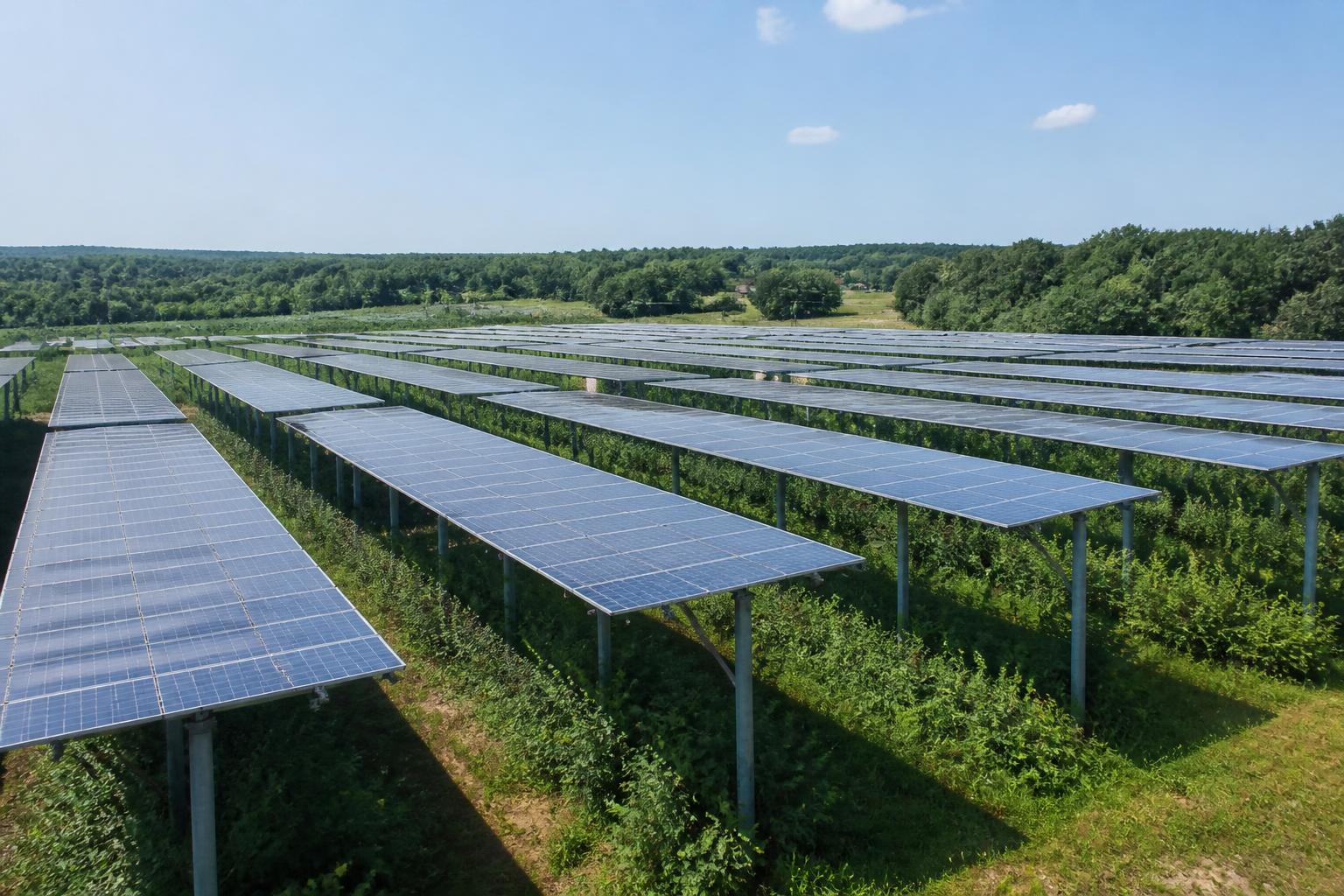
One notable trend gaining traction across Massachusetts is the integration of solar arrays directly over croplands. By installing tracking panels several feet above berry fields, producers are finding that the strategic shade can modulate the ripening process and potentially improve fruit quality under intense summer conditions. This dual-use approach allows for the simultaneous production of renewable energy and high-value crops, offering a unique buffer against the market headwinds that often challenge traditional acreage.
Logistics and Resource Management
Effective logistics remain a cornerstone of success during these high-activity months. Whether managing the transport of sensitive perishables along major corridors like I-91 or coordinating the delivery of soil amendments, the impact of summer heat on transport efficiency and storage cannot be overlooked. Growers are increasingly proactive in their planning, utilizing real-time data to navigate potential supply bottlenecks that could arise from broader geopolitical instability affecting global energy and fertilizer availability.
What it means for the market
The convergence of energy production and traditional farming is redefining the economic potential of Massachusetts farmland. By investing in technology that offers both climate mitigation and operational cost control, farmers are better positioned to maintain margins in a volatile environment. Expect to see continued interest in infrastructure that provides long-term resiliency as the agricultural sector continues to professionalize its approach to climate-smart production.
Comments
No comments yet - be the first to share your take.