
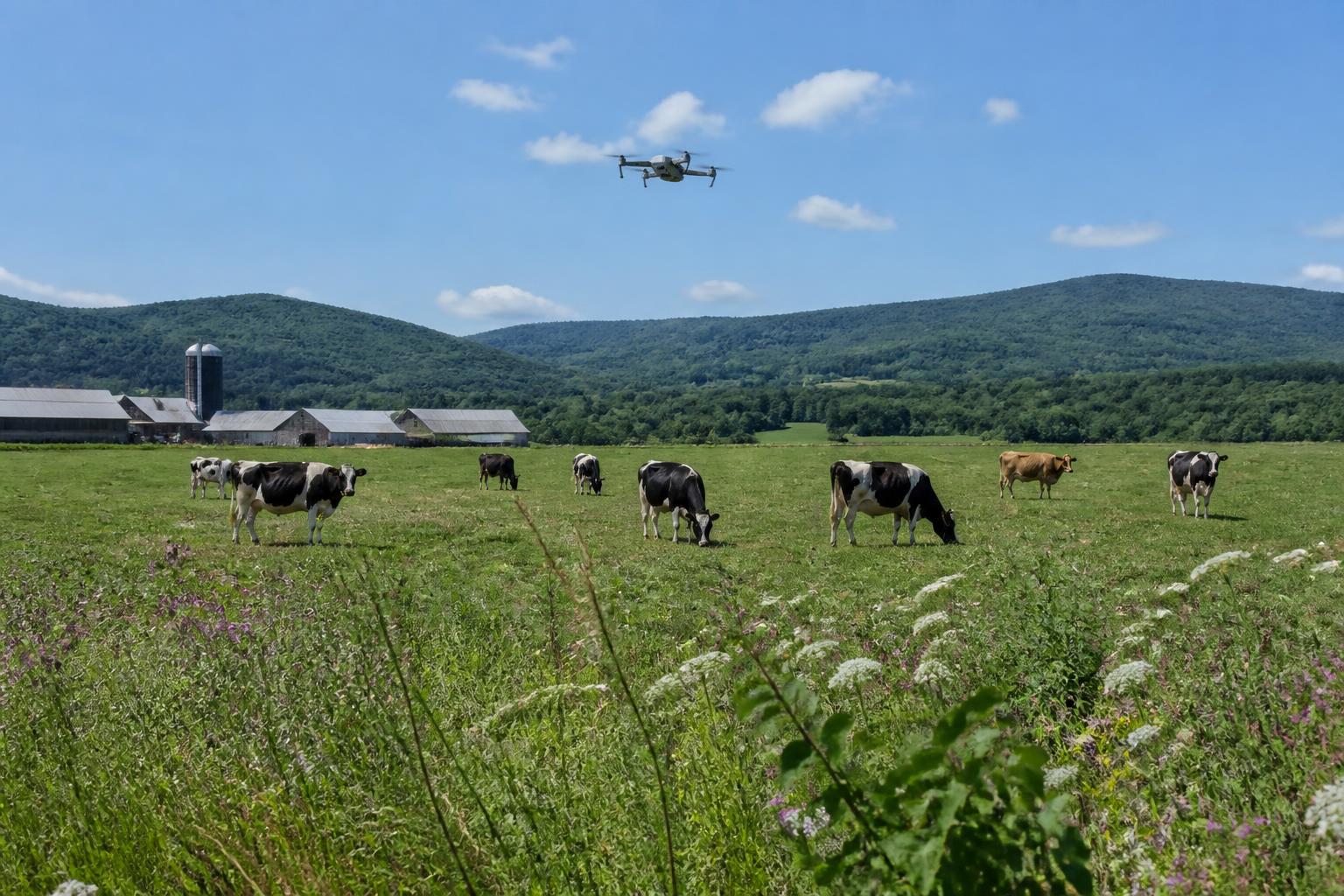
Building Climate Resilience on Granite State Farms
New Hampshire agriculture continues to adapt to an evolving landscape where both environmental and economic pressures require strategic planning. Recent initiatives, such as the Climate Resilience Grant awards, reflect a broader push to ensure that local land remains productive in the face of unpredictable weather patterns. For many producers, these programs offer a necessary buffer, helping to secure the longevity of family-run operations that are vital to the state's rural economy.
As farmers look toward future-proofing their operations, diversifying management strategies has become increasingly common. This includes investing in sustainable pest management to mitigate crop loss and maintain yields, even during peak summer heat. By prioritizing soil health and water management, growers are not only protecting their current output but are also positioning themselves to better handle the climate variability often seen across New England's diverse microclimates.
Addressing Economic and Trade Hurdles
While on-farm improvements gain momentum, external market factors continue to challenge the financial viability of local agribusinesses. Dairy operations, in particular, have been navigating significant headwinds stemming from international trade policy. The impact of tariffs on regional producers has sparked ongoing discussions among stakeholders, with many calling for targeted relief to stabilize margins that have been tightened by these cross-border complexities.
These economic strains underscore the importance of operational efficiency. Many producers are exploring ways to reduce overhead costs while maintaining high-quality outputs. Whether it involves adopting precision tools or implementing automation trends in protected agriculture, the focus remains on enhancing resource utilization. As state-wide discussions on agricultural policy continue, the ability for farms to pivot and integrate these modern practices will likely be a defining factor for success in the coming seasons.
What it means for the market
The convergence of climate grant support and the necessity for trade-related relief suggests a period of transition for New Hampshire agriculture. Producers who leverage current grant opportunities to harden their infrastructure while streamlining production costs may find themselves better positioned to weather both seasonal shifts and broader economic volatility. As the season progresses, market participants should remain attentive to policy updates that could influence regional commodity pricing and input costs.
Comments
No comments yet - be the first to share your take.