
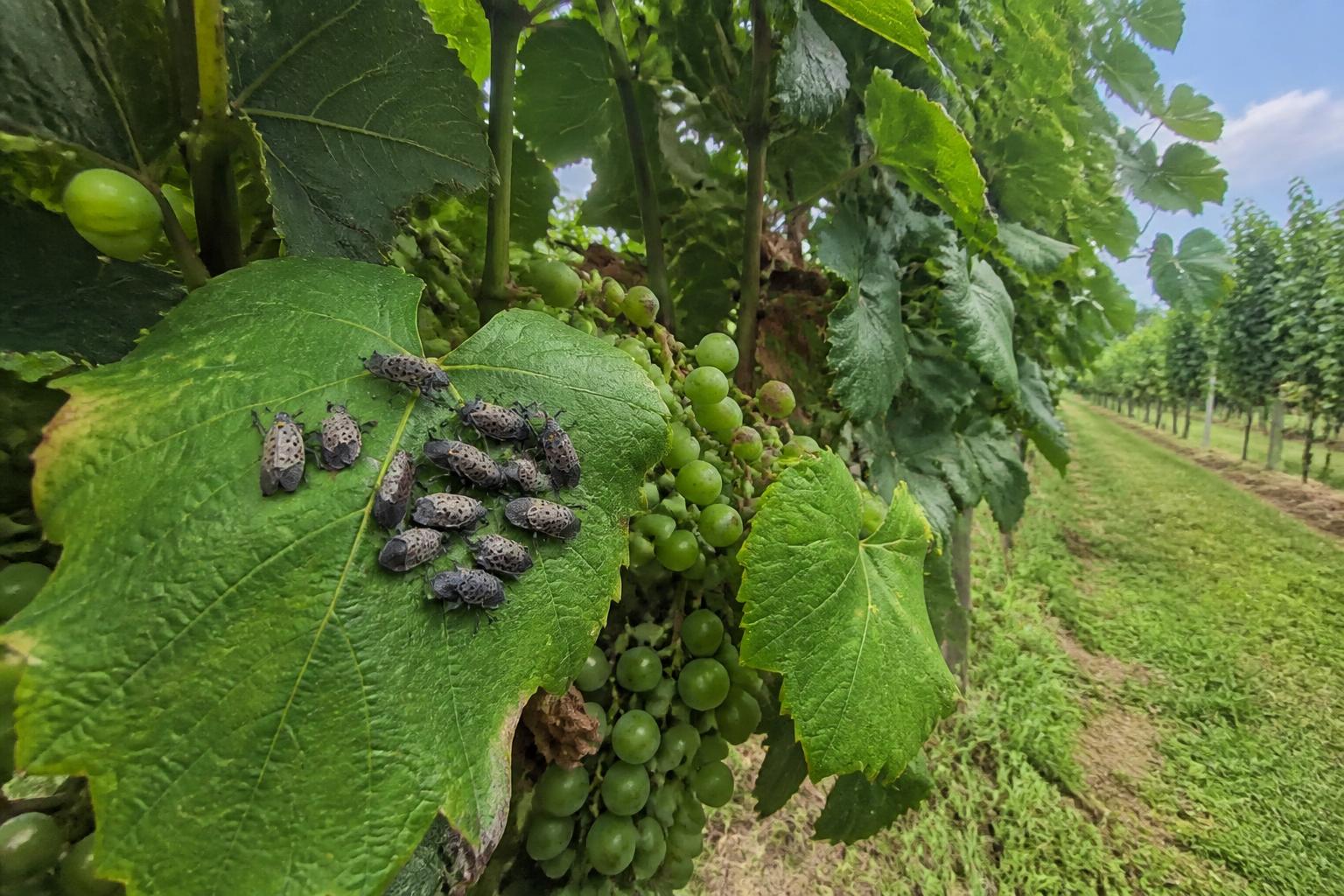
Managing Emerging Pests in Delaware
As we move through August, Delaware producers are deep into the summer growth cycle. With the season in full swing, monitoring field health and scouting for invasive pests remains a critical priority for maintaining quality yields. Recent reports indicate the presence of the spotted lanternfly in the state, necessitating increased vigilance among local growers.
Understanding how to manage this pest is essential for both row crop farmers and specialty producers. Proper identification and reporting can help minimize the impact on local infrastructure and surrounding ecosystems. For more on how to manage these evolving regional challenges, check out our insights on crop protection strategies and late-season field pressures.
Logistics and Field Observations
Mid-summer logistics in Delaware often center on maintaining equipment readiness and monitoring field conditions across the peninsula. As heat and humidity persist, ensuring that grain handling facilities remain secure is paramount. Keeping a close watch on local trends is vital for those navigating global grain market shifts and internal supply chain logistics during this busy time of year.
When moving machinery between sites, farmers are reminded to inspect for hitchhiking pests. Early detection in high-traffic transit corridors can prevent the further spread of invasive species into clean fields. Maintaining clean equipment and monitoring orchard or vineyard perimeters remains one of the best defenses for agricultural business stability.
What it means for the market
For the Delaware agriculture market, the focus remains on mitigating risk. The presence of new pests can introduce unexpected costs related to control measures and increased labor requirements for scouting. By staying informed on current pest updates and focusing on regional mitigation, growers can better protect their operations from avoidable losses. Consistent field surveillance throughout August will be the key to wrapping up a successful summer season and preparing for upcoming harvest requirements.
Comments
No comments yet - be the first to share your take.