
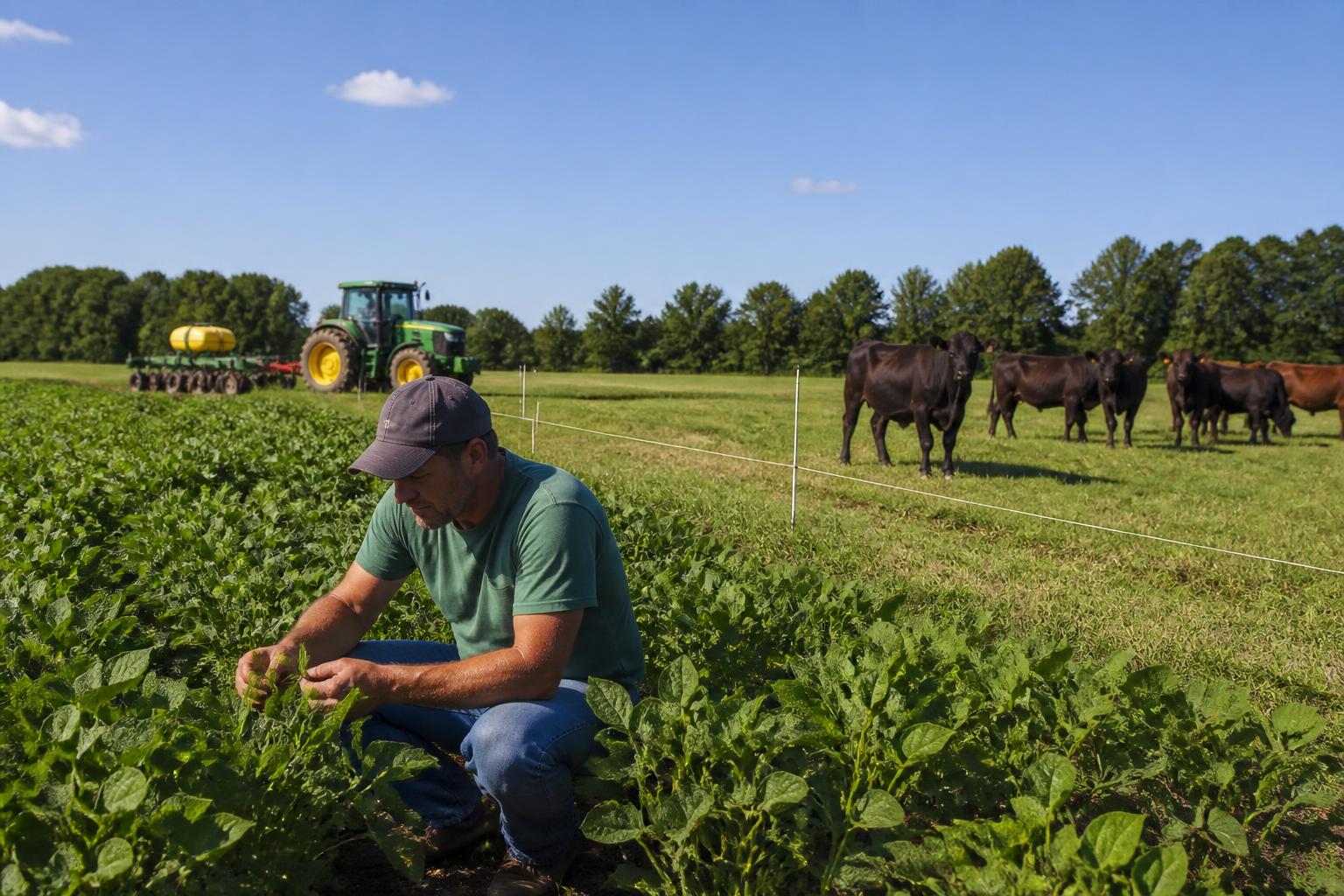
For Nevada producers, the current summer season brings a renewed focus on long-term input management as the agricultural sector navigates significant structural shifts. With major industry players realigning their portfolios to prioritize innovative, high-margin products, local growers are increasingly scrutinizing how these changes filter down to their high-desert operations.
Understanding these shifts is vital for maintaining productivity in regions stretching from the fertile basins near the Nevada-California border to the specialized forage operations across the state. Whether you are managing grazing rotations or intensive irrigated crops, keeping a close watch on regional input availability remains a top priority.
Adapting to Evolving Protection Strategies
The market for crop protection is undergoing a period of transformation, with companies moving toward more specialized, innovative formulations. For many producers, this means potential adjustments to traditional pest control programs. As firms rebrand and restructure their offerings, local dealers may experience shifts in product availability and pricing structures.
Producers are advised to maintain active dialogues with their suppliers, particularly as market volatility influences costs. Staying informed on navigating input costs and resource management can help mitigate the impact of these corporate realignments on your bottom line during peak summer production.
Logistics and Resource Constraints
Beyond the protection market, regional logistics continue to play a critical role in the bottom line for Nevada agribusinesses. Disruptions in global trade channels, such as those affecting the international fertilizer supply, often have ripple effects that reach our local elevators and farm gates. Furthermore, managing land use effectively—such as utilizing strategic grazing to manage invasive cheatgrass—remains a core, sustainable approach for many range managers dealing with limited water resources in the Colorado River Basin.
What it means for the market
The primary takeaway for producers this August is the need for flexibility. As industry-wide restructuring impacts input pricing and availability, the ability to pivot to alternative management practices—whether through more efficient, tech-driven soil analysis or by adapting to changing product lines—will be a key differentiator. Prioritizing resource efficiency and maintaining strong relationships with local suppliers will be essential as we transition through the remainder of the summer.
Comments
No comments yet - be the first to share your take.