
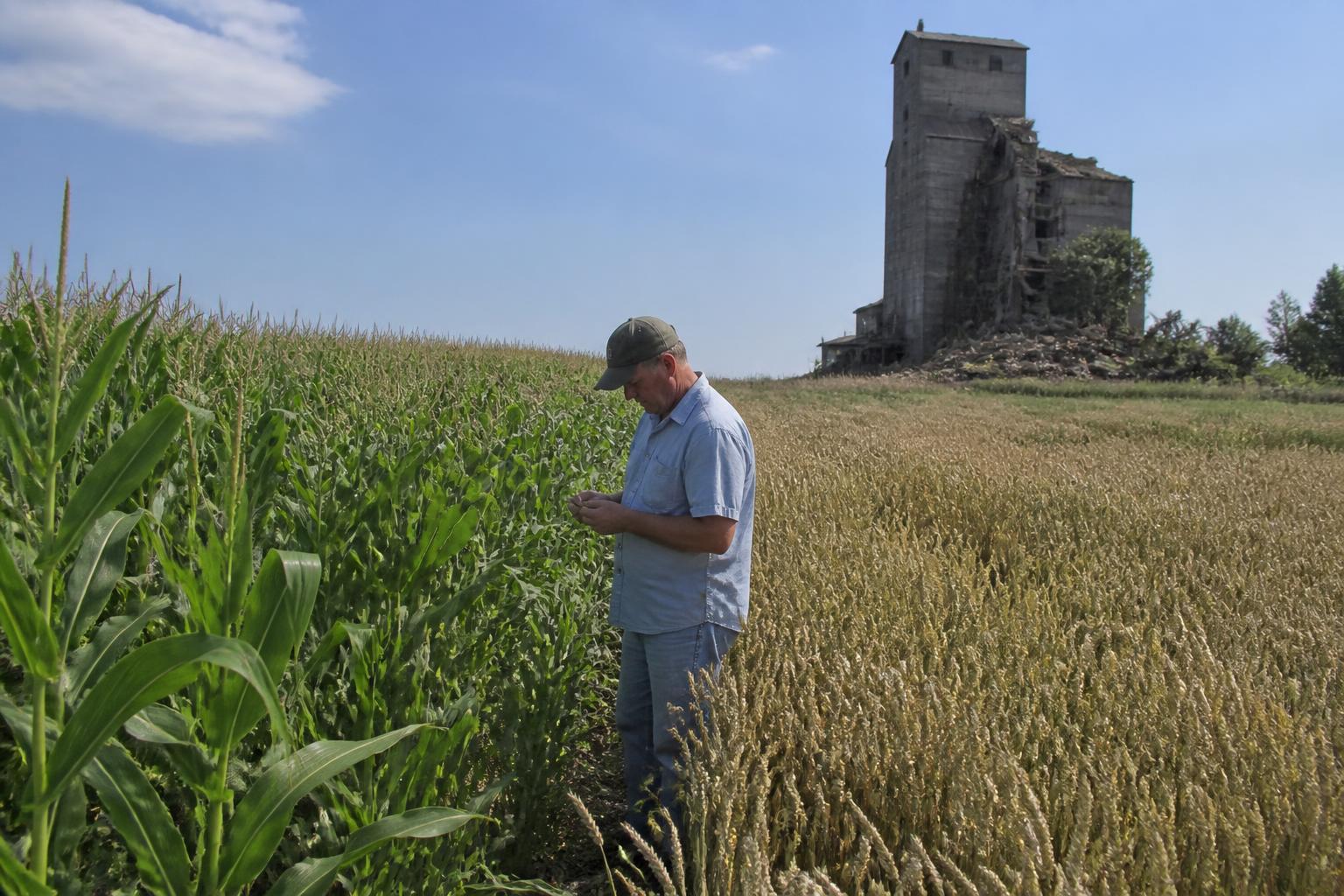
In recent seasons, Utah's agricultural community has faced a complex landscape of shifting land use and operational hurdles. As developmental pressures grow in regions surrounding urban centers, farmers and landowners are turning toward formal designation strategies, such as the establishment of agriculture protection areas, to buffer local food production from encroaching infrastructure and residential expansion. Understanding the balance between economic growth and preserving the state's productive soil is becoming a central focus for many agribusiness stakeholders.
The Shift Toward Land Preservation
Proactive land management is increasingly vital as counties navigate the tension between development and historic agricultural use. Efforts to secure regulatory and operational stability have prompted discussions on how best to define and protect agricultural zones. These initiatives often help producers mitigate land-use conflicts, providing a level of certainty for those looking to invest in long-term infrastructure such as irrigation improvements or storage facilities.
Managing Operational Risks
Beyond land-use concerns, Utah farmers must remain agile in the face of ongoing environmental and logistical stressors. Variability in seasonal weather patterns can impact crop cycles, while the need to manage input costs—particularly in water-dependent sectors—remains a persistent challenge. Growers are increasingly exploring localized supply chain efficiencies and alternative management practices to hedge against broader market volatility.
What it means for the market
For grain handlers, input suppliers, and logistics providers, the emphasis on agricultural protection indicates a shift toward more stable, albeit highly scrutinized, land utilization. Businesses should anticipate a sustained focus on efficiency and regional land-use policies. As producers prioritize land security, those who can offer scalable, sustainable solutions—from precision water management to efficient storage logistics—are better positioned to serve the state’s changing agricultural footprint.
Comments
No comments yet - be the first to share your take.