
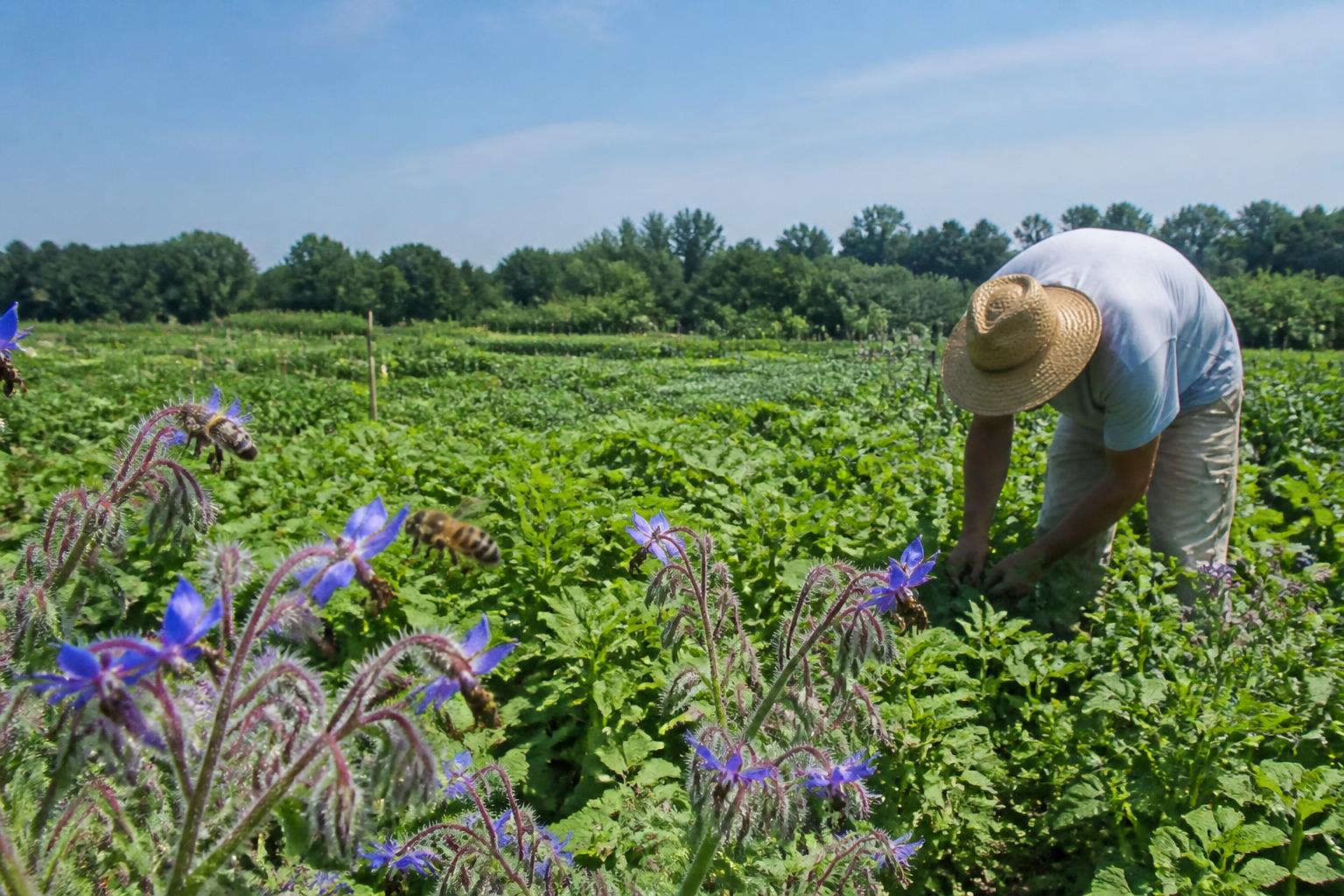
New Jersey farmers are currently navigating the midpoint of the summer growing season, a critical period that often demands heightened attention to crop protection strategies. With high temperatures becoming a persistent feature of the August landscape, producers across the state are focusing on maintaining fruit and vegetable quality while staying vigilant against common seasonal pest pressures.
Managing the health of regional crops often involves a combination of traditional scouting and the adoption of modern precision tools. As highlighted in our look at approaches to protecting New Jersey harvests, the ability to identify threats early remains the cornerstone of a successful yield. For potato growers and other specialty crop managers, balancing the application of controls with the need to protect local pollinators is an increasingly complex task that requires careful planning.
Adapting to Environmental Stress
The intensity of summer weather in New Jersey can affect both crop development and the logistics of field labor. Beyond the immediate botanical concerns, the agricultural community continues to discuss the integration of labor-conscious practices to ensure that workers remain safe during peak heat events. Addressing these environmental realities is essential for maintaining the consistency of the Jersey Fresh brand, which relies on high-quality output throughout the harvest window.
Advancing Field Efficiency
Technology continues to play a pivotal role in modernizing protection efforts. From advanced application research that helps refine how chemicals are utilized to the broader deployment of precision sprayers, growers are finding ways to reduce inputs while maximizing efficacy. These tools allow for a more targeted response to pest outbreaks, which is particularly beneficial in a diverse state like New Jersey where field sizes and crop varieties vary significantly from the southern counties to the northern highlands.
What it means for the market
For agribusinesses and grain handlers, this mid-season phase is a reminder that the quality of the final harvest is largely determined by the success of current protection measures. As the season progresses, expect a continued focus on optimizing supply chains and input efficiency. Producers who prioritize precision and sustainable management are better positioned to weather the volatility of late-summer climate pressures and deliver top-tier produce to regional markets.
Comments
No comments yet - be the first to share your take.