
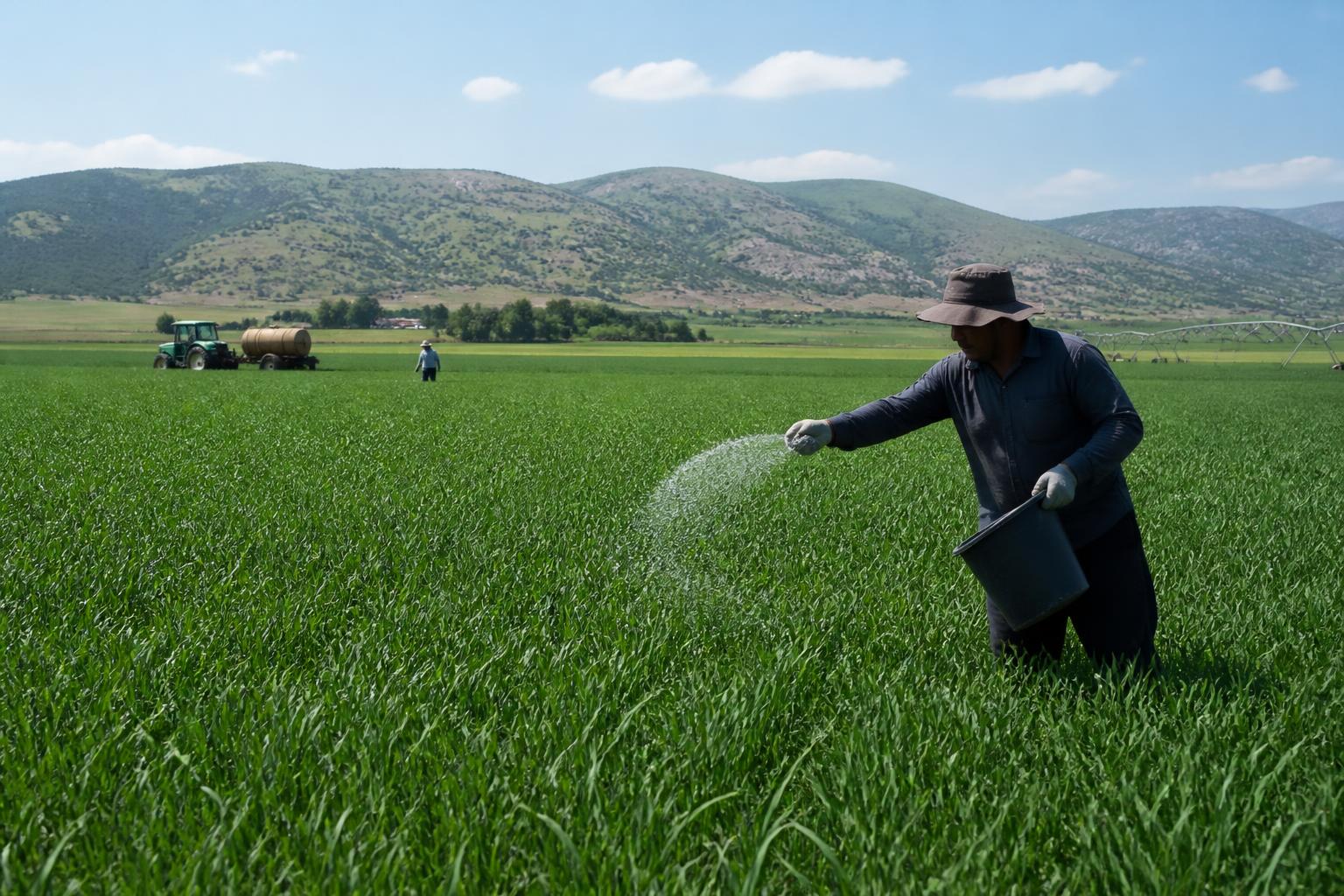
Washington agricultural producers are currently managing a complex mid-summer environment, balancing essential field operations with an evolving regulatory and logistical framework. For many, the focus remains on maintaining operational efficiency while adapting to signals from federal policy shifts that may impact long-term input security and crop protection standards.
Recent discussions surrounding potential regulatory adjustments to glyphosate management have prompted many regional operators to re-evaluate their weed control programs. Uncertainty in the approval and application landscape often necessitates a more proactive approach to risk management, as growers weigh the efficacy of existing tools against potential future compliance requirements.
Addressing Logistics and Export Constraints
Beyond the field, logistics continue to be a primary concern for those relying on international trade pathways. Pacific Northwest shippers remain watchful of equipment availability, specifically the tight supply of shipping containers that can hinder the movement of commodities to global markets. Growers who have faced logistical headwinds understand that the ability to secure transport at the right time is as critical as yield management.
Furthermore, the broader discourse around input availability, including the ongoing efforts to address fertilizer logistics and overall supply chain resilience, underscores the importance of regional coordination. Reliable access to essential inputs is rarely a static issue, and staying informed on supply chain health is vital for those planning their next planting cycle.
What it means for the market
For the Washington producer, the remainder of the season will likely be defined by the ability to pivot. Whether it is adapting to new pest control guidance or navigating container shortages at coastal ports, the current market environment rewards those who prioritize flexibility. Keeping a close watch on policy updates and regional transit capacity will be essential for protecting margins and ensuring that products reach their destination efficiently throughout the harvest period.
Comments
No comments yet - be the first to share your take.