
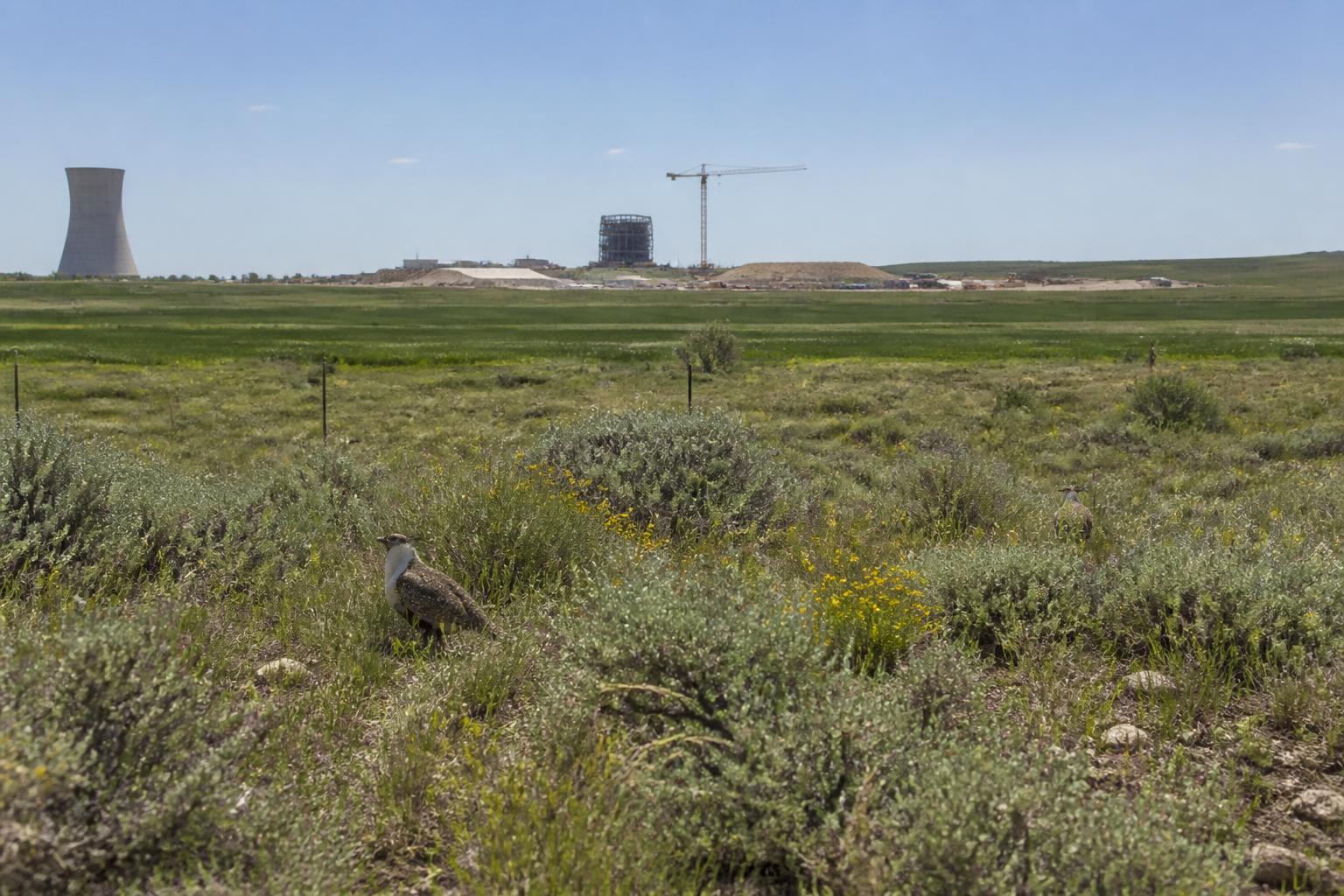
As the summer season progresses across the high plains and basins of Wyoming, agricultural operators are increasingly looking for ways to align operational sustainability with long-term land security. Recent initiatives, including the launch of voluntary-led conservation pilots by the USDA, offer new pathways for producers to participate in land stewardship programs that prioritize environmental health without mandatory federal overreach.
For many ranchers and grain growers, these voluntary frameworks represent a shift in how federal agencies engage with local producers. By focusing on incentive-based models, these pilots aim to address conservation goals while allowing farmers to maintain the flexibility needed to operate in a challenging, semi-arid environment. These protection-focused strategies are becoming essential as producers navigate broader landscape-level management decisions.
Understanding the Regulatory Landscape
Beyond voluntary programs, the broader regulatory environment remains a point of focus for the industry. Ongoing legal discussions regarding land use policies, such as those concerning the habitat management of regional wildlife, continue to be a primary concern for those managing large-scale grazing operations. Ensuring that management decisions are rooted in local, science-based data is a recurring theme for industry advocates, who emphasize that collaborative management is often the most effective way to balance conservation with the practical realities of agricultural economic viability.
Infrastructure and Future Outlook
While land management remains a priority, the infrastructure supporting Wyoming agriculture is also seeing shifts. From energy projects to logistical improvements, the state continues to explore how new technologies can integrate into traditional ranching and farming operations. Staying informed about these developments, alongside soil moisture conditions and legislative changes, is critical for proactive decision-making throughout the season.
Key Takeaways
- Voluntary conservation pilots are offering new, non-mandatory routes for environmental stewardship.
- Regulatory scrutiny of public lands continues to drive the need for data-backed, site-specific management strategies.
- Producers should monitor how regional infrastructure shifts might impact future land utility and operational costs.
What it means for the market: For Wyoming agribusinesses, the current climate demands a dual focus on operational efficiency and regulatory vigilance. By leaning into voluntary conservation initiatives, producers can potentially secure a more stable land-use future, while maintaining a strong voice in the ongoing dialogues that shape the management of our state's vast agricultural resources.
Comments
No comments yet - be the first to share your take.