
Mid-summer operations across Nevada continue to focus on optimizing resource management and long-term land stability. As producers manage the heat of August, the focus remains on ensuring that current crop protection strategies remain effective against late-season pressures. Effective stewardship of Nevada's diverse agricultural landscape often requires balancing immediate input needs with the long-term goal of protecting vital farmland from fragmentation and environmental strain.
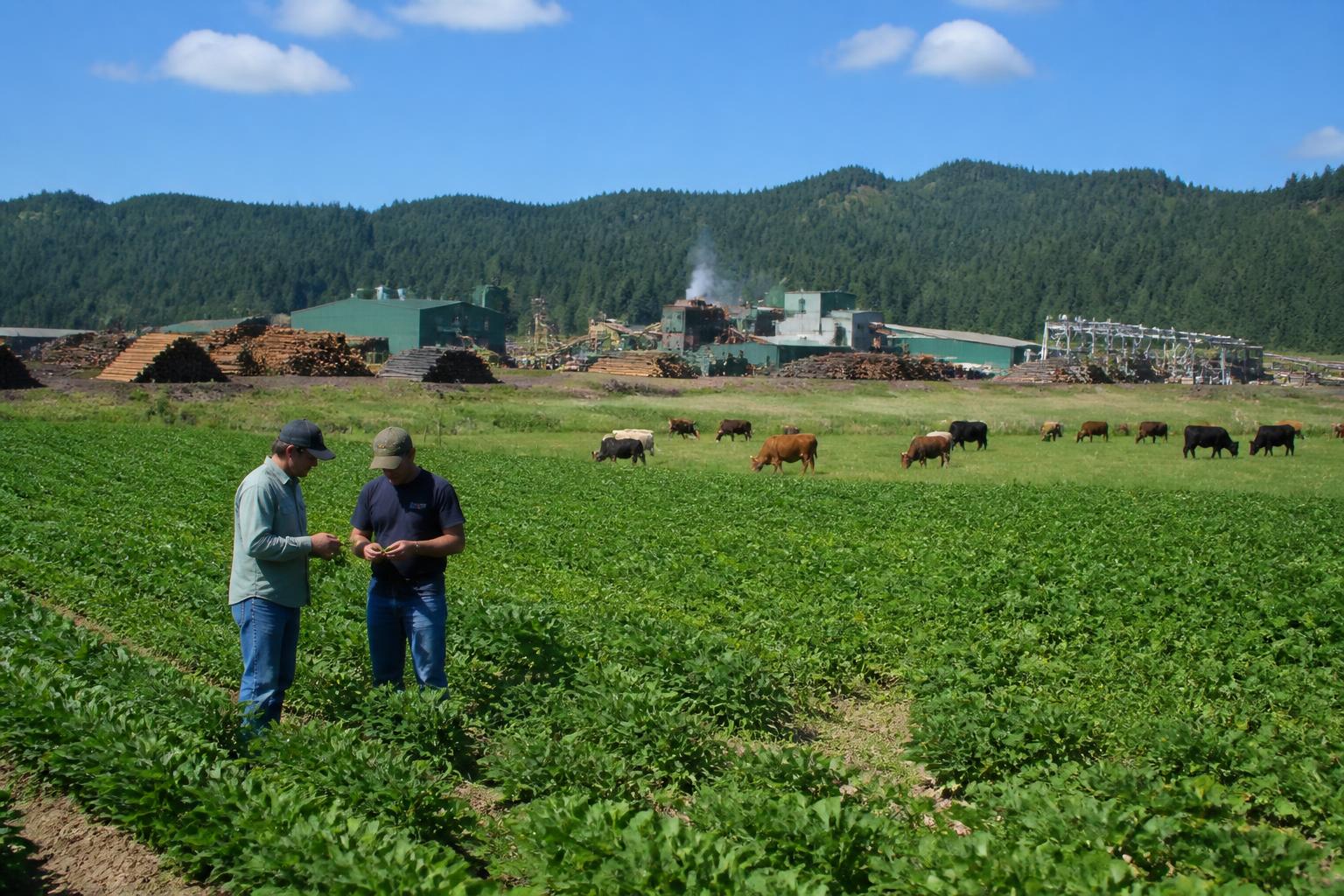
Recent regional developments underscore the importance of infrastructure in supporting state-wide productivity. New federal support for local sawmills reflects a push to expand timber production capacity, which can often have ripple effects on regional logistics and rural supply chains. For those managing grain or livestock operations, these infrastructure shifts are a reminder of the need to maintain flexible operational strategies when navigating seasonal shifts in transport and processing.
Refining Protection and Input Management
The role of precision application continues to evolve as producers look for ways to maximize the efficacy of their crop protection portfolios. Advances in adjuvant technology are increasingly relevant for growers seeking to improve the performance of their chemical applications under the dry, high-heat conditions common in the Great Basin. By utilizing specialized tools to ensure product adherence and coverage, farmers may see better results while minimizing the need for repeat passes.
Furthermore, local land conservation efforts continue to gain traction. Collaborative partnerships are actively raising funds to secure critical acreage, ensuring that prime soil remains available for future generations of farmers. When managing input costs, focusing on long-term stewardship can often be just as essential as tracking the daily fluctuations in fuel or chemical prices.
What it means for the market
Nevada producers should prepare for a steady late-summer environment where infrastructure investments—ranging from timber processing to farmland preservation—are slowly reshaping regional capacity. Maintaining a focus on precision input technology and participating in local conservation initiatives can provide a buffer against volatility, helping to stabilize operations even as the broader U.S. agricultural economy faces changing regulatory and market landscapes.
Comments
No comments yet - be the first to share your take.