
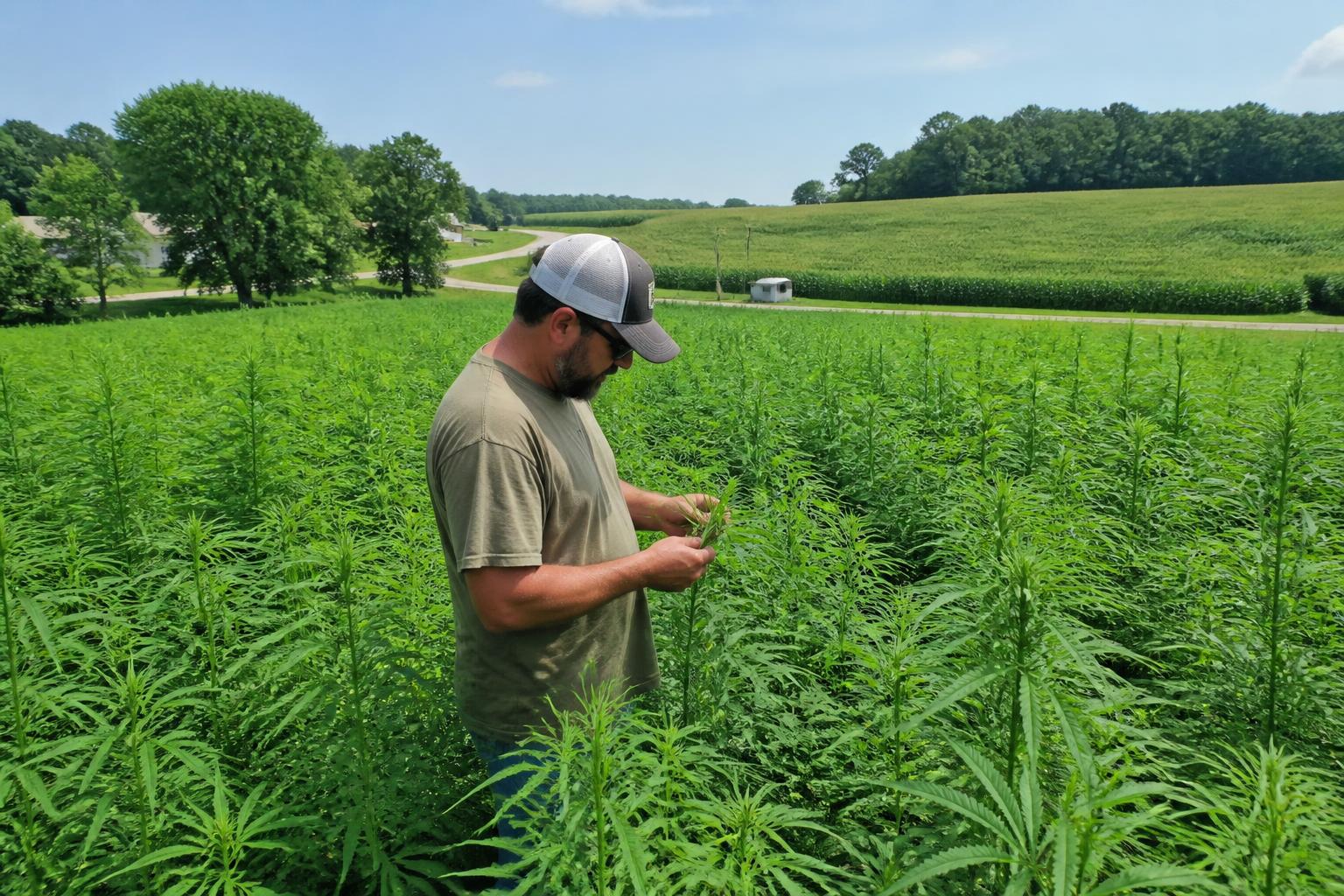
In Delaware, the mid-summer season brings a critical window for crop management and administrative planning. As growers monitor their fields for common late-summer pressures, recent discussions at state-level agricultural summits emphasize the importance of staying informed on how both climate shifts and national policy updates impact local production cycles.
For those managing real estate holdings or planning expansions, new federal transparency regulations, such as the recently discussed FinCEN rules, may influence how future land transactions are structured. Navigating these compliance landscapes is becoming as essential to farm management as traditional agronomic tasks, requiring producers to maintain clearer documentation than in years past.
Adapting to Environmental and Market Volatility
The Mid-Atlantic region continues to experience variable weather, which directly influences regional yields. Consistent monitoring for pests and spotted lanternfly activity remains a priority, as these pressures can quickly escalate in the humid summer months. When coupled with the inherent volatility in global commodity markets—such as recent adjustments in international soy export statuses—Delaware producers are encouraged to diversify their management strategies to buffer against supply chain disruptions.
Key Takeaways for Producers
- Review your current land tenure documentation to ensure alignment with evolving federal transparency and reporting standards.
- Prioritize consistent field scouting to catch early signs of pest outbreaks before they impact late-season quality.
- Keep a close watch on regional grain handling and input market updates to better anticipate shifts in local supply and logistics capacity.
What it means for the market: The current agricultural environment in Delaware reflects a broader national trend where policy compliance and environmental resilience are increasingly interconnected. By proactively addressing administrative requirements and maintaining a disciplined approach to integrated pest management, Delaware agribusinesses can better position themselves to navigate the economic and climatic uncertainties of the coming season.
Comments
No comments yet - be the first to share your take.