
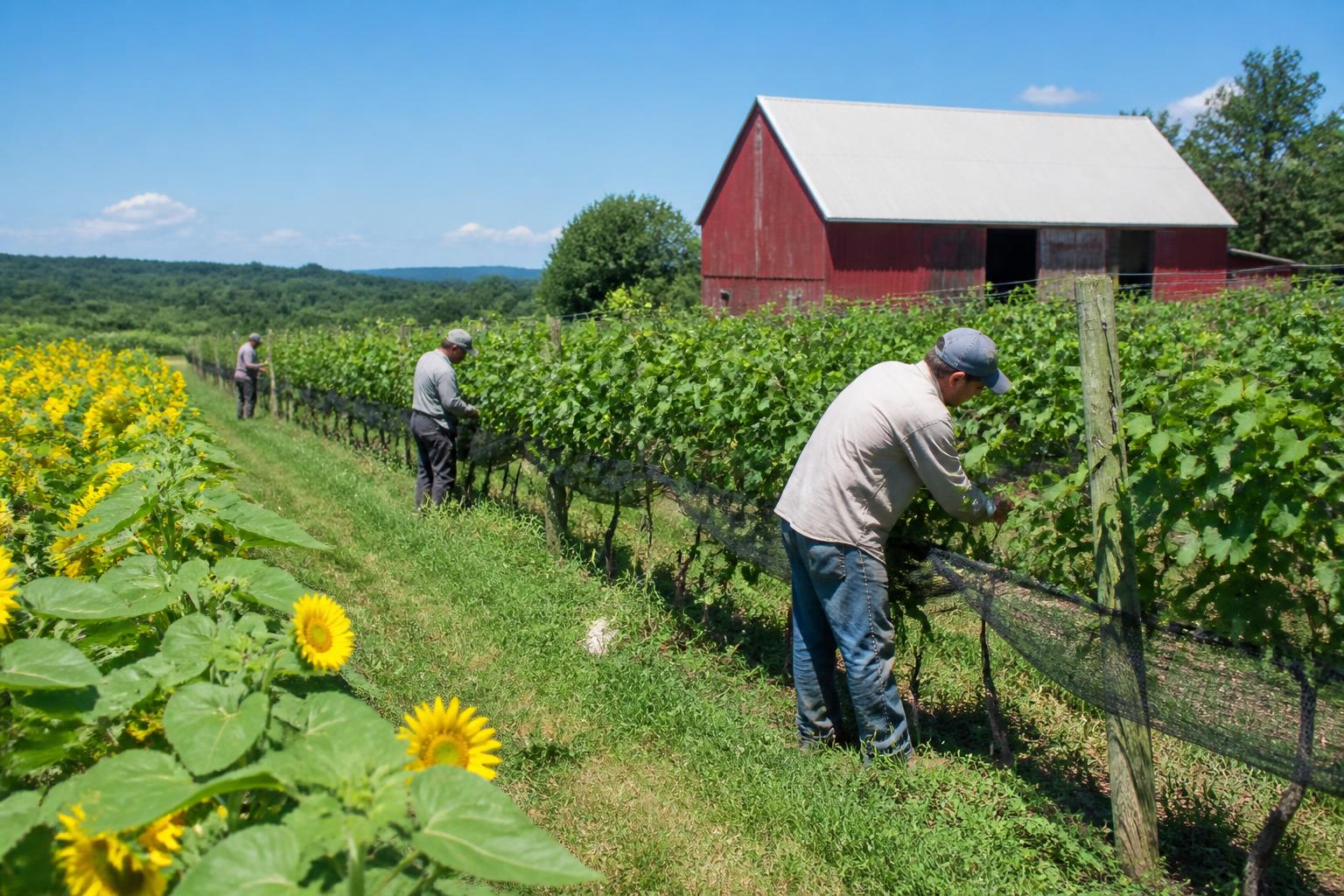
Pennsylvania producers are currently balancing a complex landscape of state-level support and national economic headwinds. As the summer season progresses, growers across the Commonwealth are seeing continued activity in farmland preservation, with recent efforts across regions like Berks County securing thousands of acres for perpetual agricultural use. These initiatives, often supported by state-level grants, serve as a foundational element for maintaining the viability of local operations against development pressures.
Managing Input and Logistic Pressures
While preservation efforts help secure the land base, many producers are navigating the persistent challenge of volatile input costs. Industry data indicates that U.S. farmers may pay significantly higher prices for certain crop protection products compared to their counterparts in other major agricultural nations. In Pennsylvania, where logistical complexity often dictates the bottom line, efficiency in supply chain management is more critical than ever. Farmers looking to optimize their freight and distribution overhead should monitor regional transit updates to mitigate the impacts of current infrastructure constraints.
Strengthening Farm Sustainability
Beyond land and input costs, the regulatory environment for waste management and conservation is evolving. Recent legislative changes have begun to formalize how farmers utilize food processing waste, requiring producers to stay informed on compliance shifts. Simultaneously, the development of new insurance frameworks aims to provide more robust coverage options, often referred to as whole-farm protections, which may help mitigate risks associated with the unpredictable weather patterns often seen in the Northeast. For those managing complex distribution networks, staying updated on innovative logistical strategies remains a key hedge against mid-season volatility.
Key Takeaways
- Land Security: Continued investment in state grant programs is helping keep thousands of acres in production across Pennsylvania.
- Cost Management: With crop protection premiums remaining high relative to global markets, precision in procurement is essential.
- Regulatory Awareness: New laws governing food processing waste usage require farmers to review their current operational practices.
What it means for the market: For the average Pennsylvania agribusiness, success this summer depends on a dual-track strategy: securing long-term land stability through active participation in state preservation programs while aggressively managing input procurement to offset elevated national pricing trends. Operators who prioritize flexible logistics and stay ahead of evolving environmental regulations will likely find themselves in a stronger competitive position as we head toward the final stretch of the growing season.
Comments
No comments yet - be the first to share your take.