
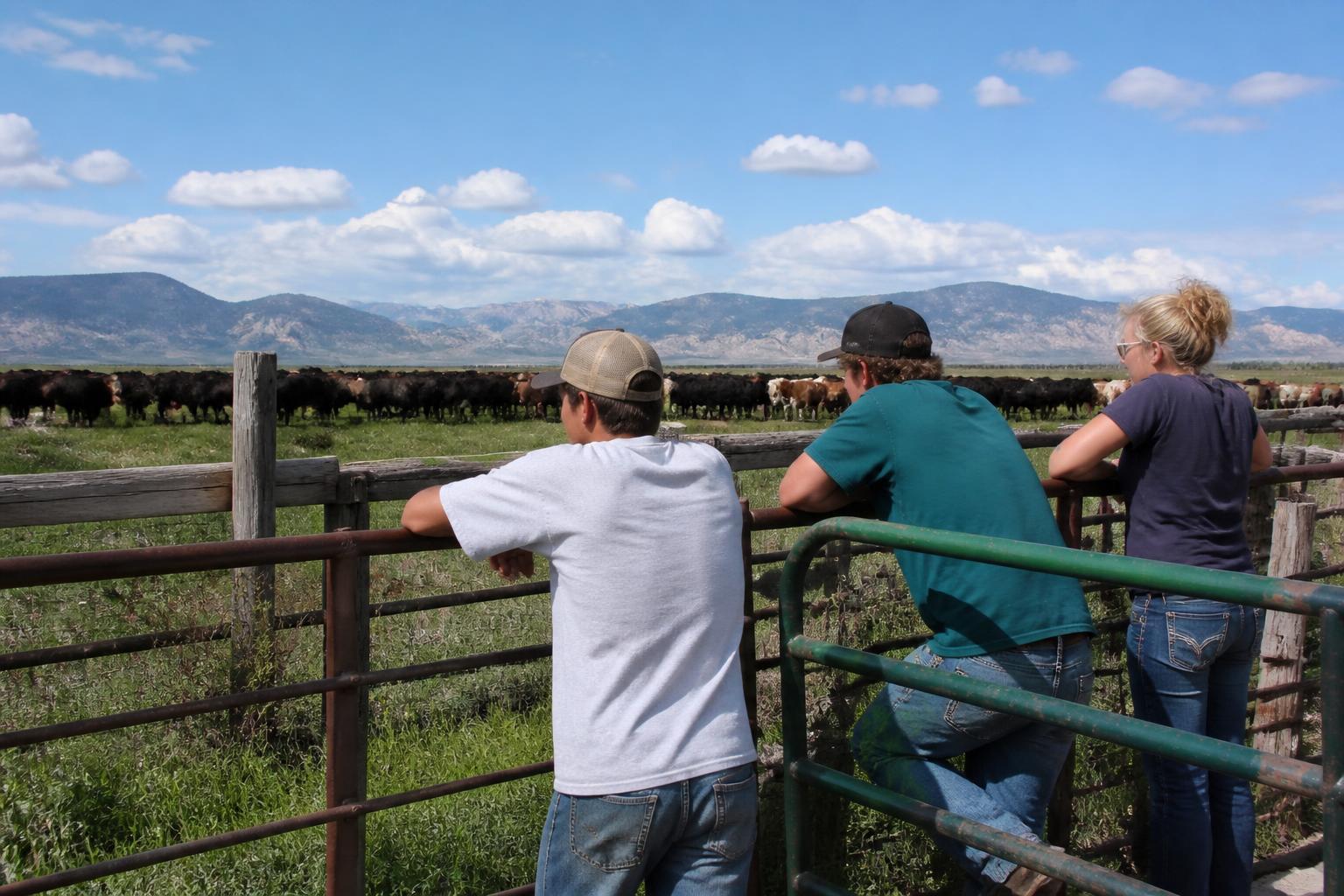
In the heart of Wyoming's summer growing season, the focus for many agricultural operations has shifted toward maximizing yields and ensuring the integrity of grazing lands. As livestock producers navigate peak activity periods, the issue of chemical application drift remains a critical operational concern. When wind speeds or application techniques are not aligned with local conditions, the unintended movement of weedkillers can disrupt native vegetation and impact neighboring acreage.
The Balance of Stewardship and Application
Effective weed management is essential for maintaining productive pastures, but it requires careful coordination to avoid off-target damage. Navigating the complexities of land stewardship means keeping a close eye on field-level conditions before any equipment hits the ground. Factors such as localized wind patterns, especially in regions with uneven terrain, can significantly influence the efficacy and safety of application programs. Producers should prioritize checking current environmental conditions and maintaining communication with neighboring landowners to mitigate the risk of accidental drift into sensitive ecosystems.
Protecting Herd Health and Assets
Beyond crop protection, maintaining the health of the herd is paramount. Recent reports of health challenges, such as brucellosis, remind producers that vigilance in pasture management is a year-round commitment. Ensuring that livestock have access to clean, untreated areas is just as important as the management of the forage itself. Whether working on family-run operations or larger ranching complexes, the goal remains the same: protecting the long-term viability of the land while supporting current production goals.
Practical Steps for Producers
- Monitor micro-climate wind shifts before initiating any chemical application.
- Maintain buffer zones near sensitive areas and non-target crops.
- Review product labels frequently to ensure updated application methods are followed.
- Document all application activity to streamline compliance and safety reporting.
What it means for the market: For Wyoming agribusinesses and producers, maintaining best practices in chemical stewardship is more than a regulatory hurdle; it is a vital component of protecting the state's agricultural reputation. By focusing on drift prevention and integrated land management, growers can safeguard their assets, reduce potential liability, and ensure that Wyoming's rangelands continue to support robust cattle and forage production throughout the remainder of the season.
Comments
No comments yet - be the first to share your take.