
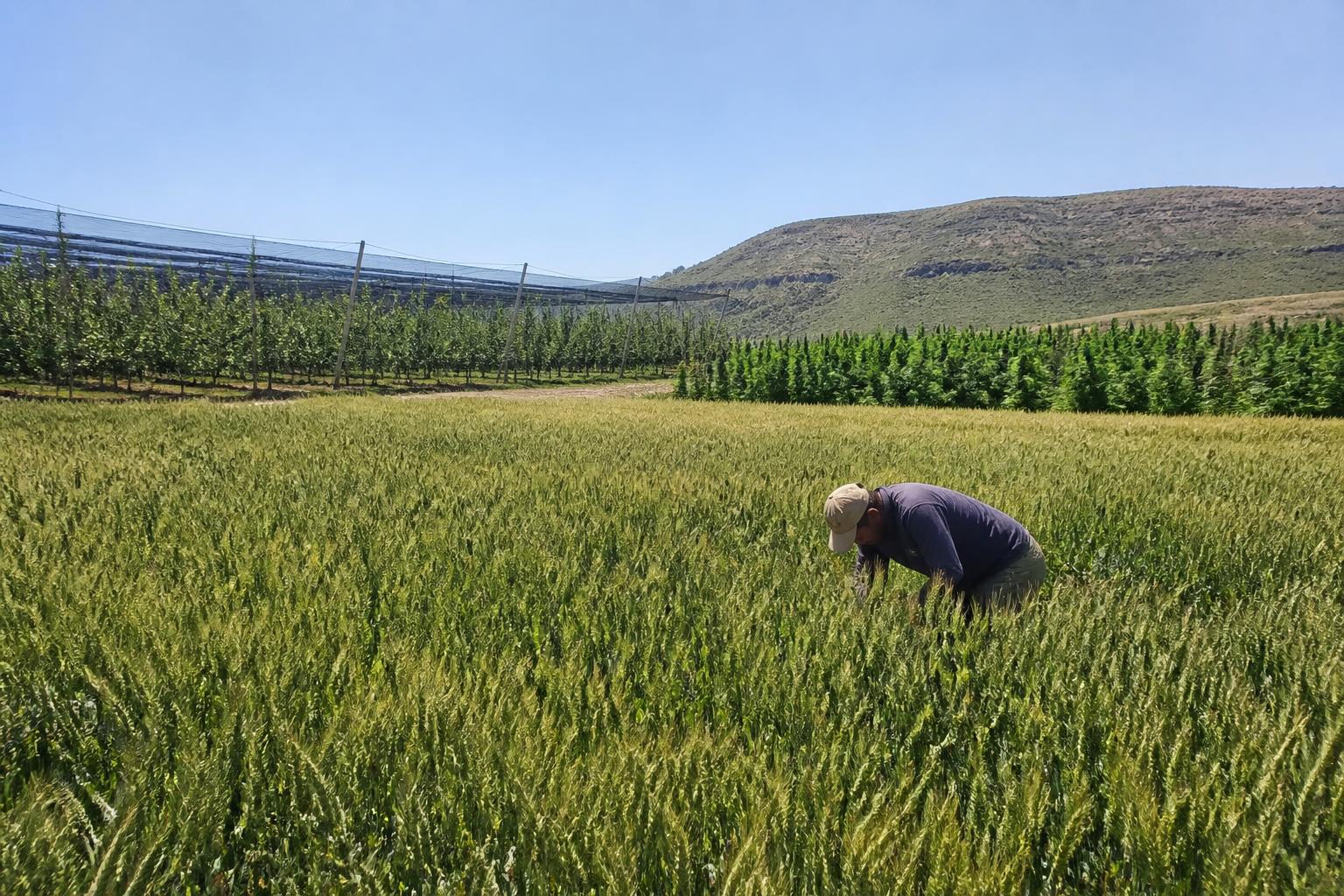
Mid-summer brings a critical phase for Oregon agricultural producers as they navigate a landscape of shifting trade pressures and intensive field management. For many growers in the Willamette Valley and the Columbia Basin, the focus remains on maintaining crop integrity against environmental and biological threats while keeping a wary eye on shifting export conditions.
Managing Field Resilience and Crop Health
As the season progresses, protecting high-value crops from seasonal pests requires both technical diligence and localized knowledge. Effective crop protection and field management strategies are currently being employed across the state to secure yields during these warmer months. Whether managing orchard health or field-scale row crops, producers are leveraging research-backed tools to address stubborn issues such as herbicide-resistant weeds and pest outbreaks, which can significantly dampen production margins if left unchecked.
Market Volatility and Regulatory Hurdles
Beyond the field, Oregon agribusinesses are monitoring broader economic headwinds. Recent discussions regarding trade and the agricultural input challenges faced by regional farmers emphasize the need for caution. Producers are reminded to maintain lean operations as markets react to global supply chain adjustments and the potential for shifts in export demand. For those involved in grain, recent international developments regarding GMO discovery reports have necessitated extra attention to quality control and documentation to ensure continued access to overseas markets.
Key Takeaways for Producers:
- Prioritize early-detection protocols for pest management to prevent late-season yield loss.
- Maintain clear documentation of farming practices to navigate potential export scrutiny.
- Evaluate input procurement strategies to account for current volatility in the supply chain.
What it means for the market: The current climate suggests a period of defensive planning. By tightening field security and staying informed on regional logistics, Oregon growers can better insulate their operations from the broader market uncertainties currently affecting the Pacific Northwest.
Comments
No comments yet - be the first to share your take.