
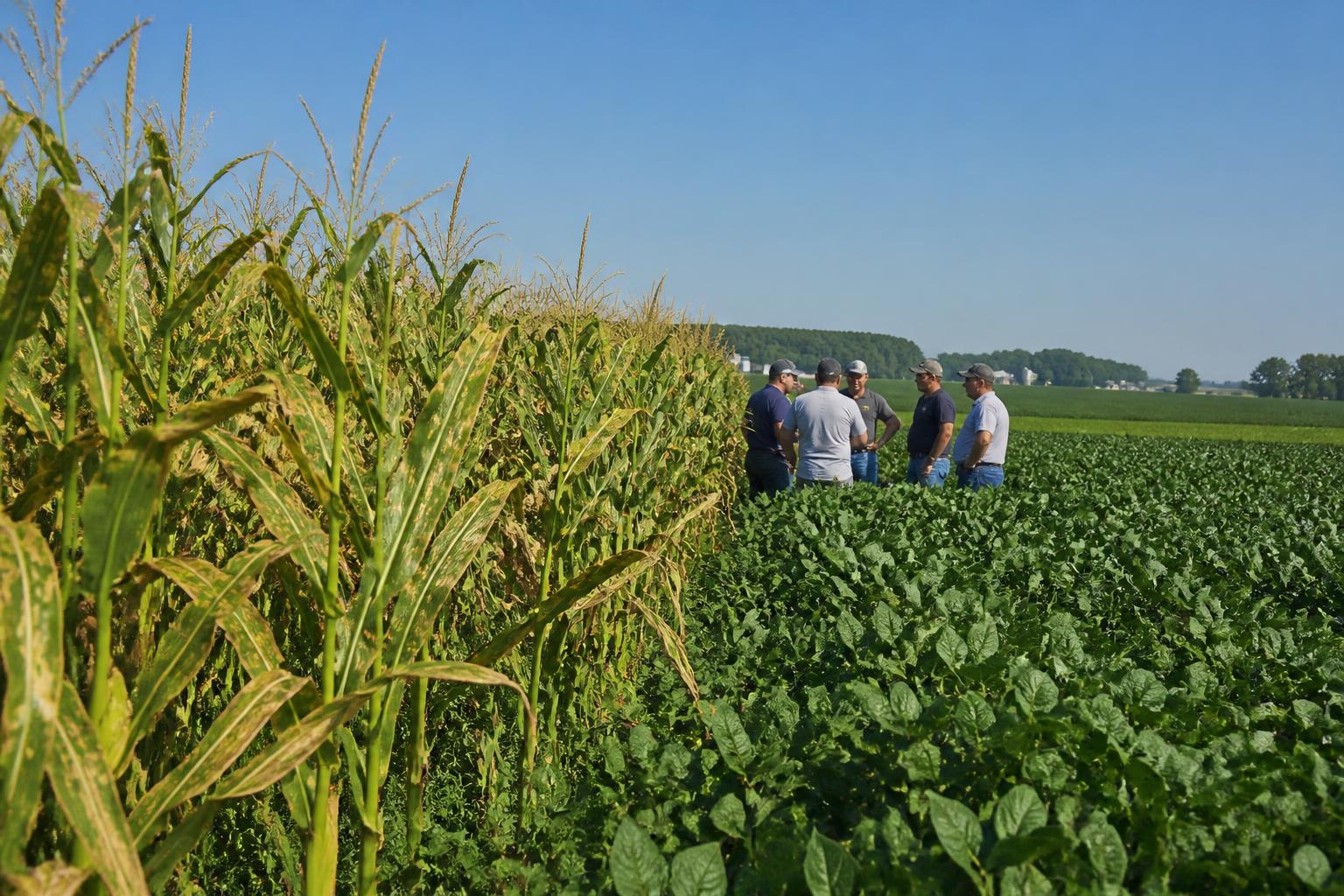
As the late summer window progresses, Minnesota growers are keeping a close watch on corn development. Field reports indicate that tar spot is increasingly present in various corn-growing regions of the state. Managing this fungal pressure is a priority for many producers as they assess crop health during the critical grain-fill period, balancing current protection strategies with long-term yield goals.
Infrastructure and Logistical Growth
Beyond the field, the state's agricultural backbone continues to see meaningful investment. Recent efforts to modernize local ag infrastructure are helping to streamline the movement of commodities. For instance, planned expansions at grain facilities like the one in Warren demonstrate a concerted move to increase storage and throughput capacity, which may improve logistical efficiencies for area producers as harvest approaches.
Input Efficiency and Regulatory Oversight
The landscape for crop inputs remains complex. With shifts in crop protection distribution and changing regulatory environments, growers are focusing more heavily on procurement strategies and input efficiency. Staying informed on regional developments, such as the updates regarding neonicotinoid-treated seed guidelines or water quality certification milestones, helps local operations align their practices with evolving state standards.
What it means for the market
For Minnesota agribusinesses and grain handlers, the combination of active crop management and increased storage capacity is setting the stage for a busy fall season. While global market volatility persists, the localized focus on managing pathogen pressure and optimizing supply chain flow remains a key differentiator for maintaining profitability. Producers who proactively assess their localized risk and leverage expanded local storage options may find themselves better positioned to navigate the upcoming harvest.
Comments
No comments yet - be the first to share your take.