
Managing Mid-Season Crop Pressures
As we move through late August, Kentucky farmers are balancing the intensity of summer heat with the critical need for effective crop protection. The season has presented a series of challenges that underscore the importance of precise pest management and monitoring. Whether dealing with pressure in row crops or maintaining herd health during peak temperatures, the focus remains on protecting yield potential as we approach the final stages of the growing cycle.
For those managing livestock or grain operations, maintaining high standards of biosecurity and supply chain transparency has become increasingly vital. Growers are encouraged to stay connected with extension resources, such as upcoming university-led workshops, which provide hands-on insights into managing localized pest outbreaks effectively. Understanding the latest strategies for financial and crop resilience is essential as you mitigate the impact of unpredictable weather patterns on your bottom line.
Technology and Sustainability in the Field
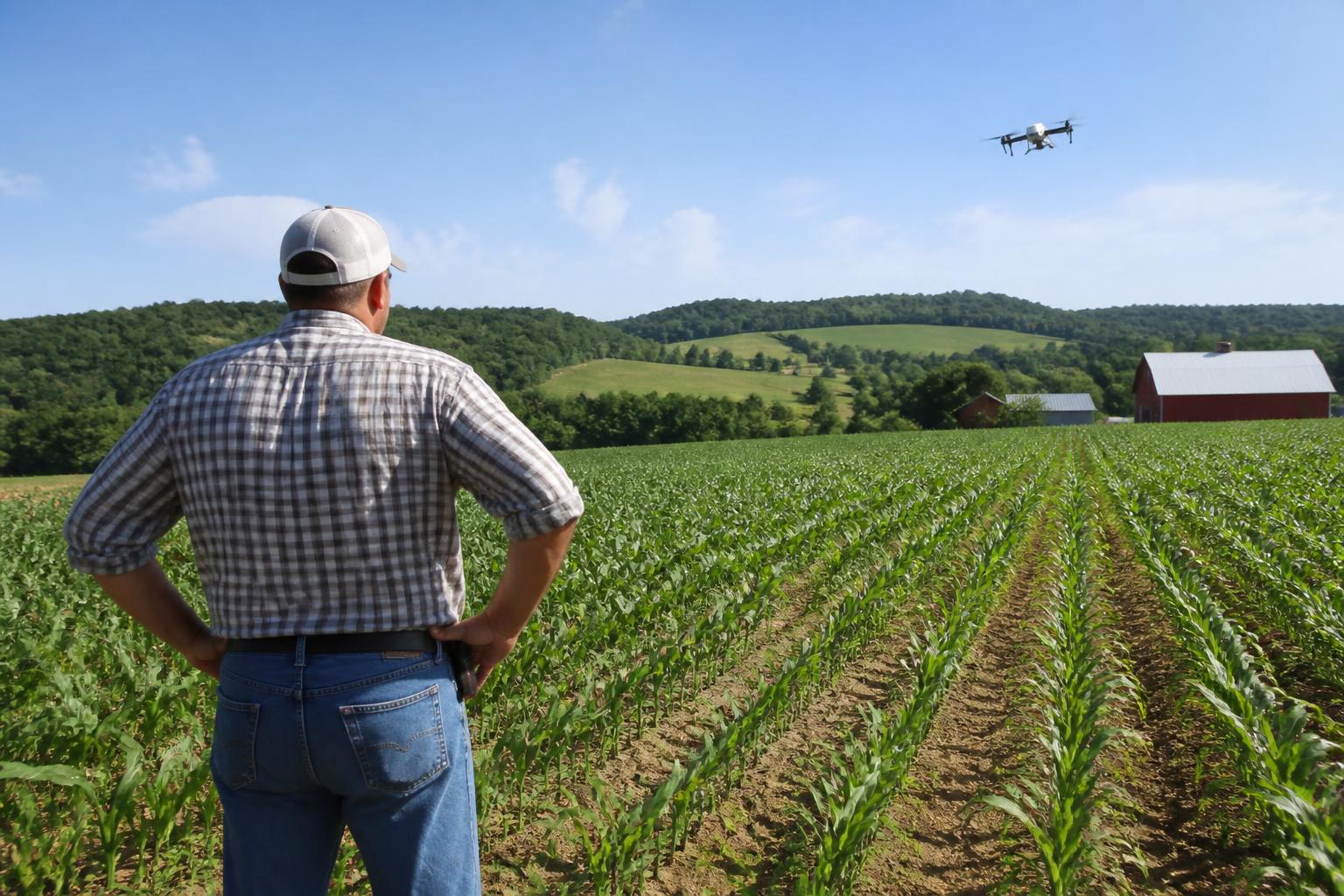
Beyond traditional protective measures, the integration of new technologies is changing how Kentuckians approach farm management. Drones and precision software are increasingly used to track inputs and improve supply chain visibility, particularly in poultry and high-value commodity sectors. As the industry evolves, these digital tools are becoming standard for producers looking to optimize their operational efficiency while adhering to environmental safety standards.
What it means for the market
Market stability in Kentucky is often influenced by our ability to adapt to extreme weather and changing regulatory landscapes. With persistent interest in how legal and environmental policies impact the use of agricultural chemicals, producers should stay informed on pending legislation. As energy costs and broader economic factors continue to fluctuate, prioritizing sustainable, data-driven protection strategies will likely be the most effective way to safeguard your farm's productivity and economic health through the remainder of the summer and into the fall harvest.
Comments
No comments yet - be the first to share your take.