
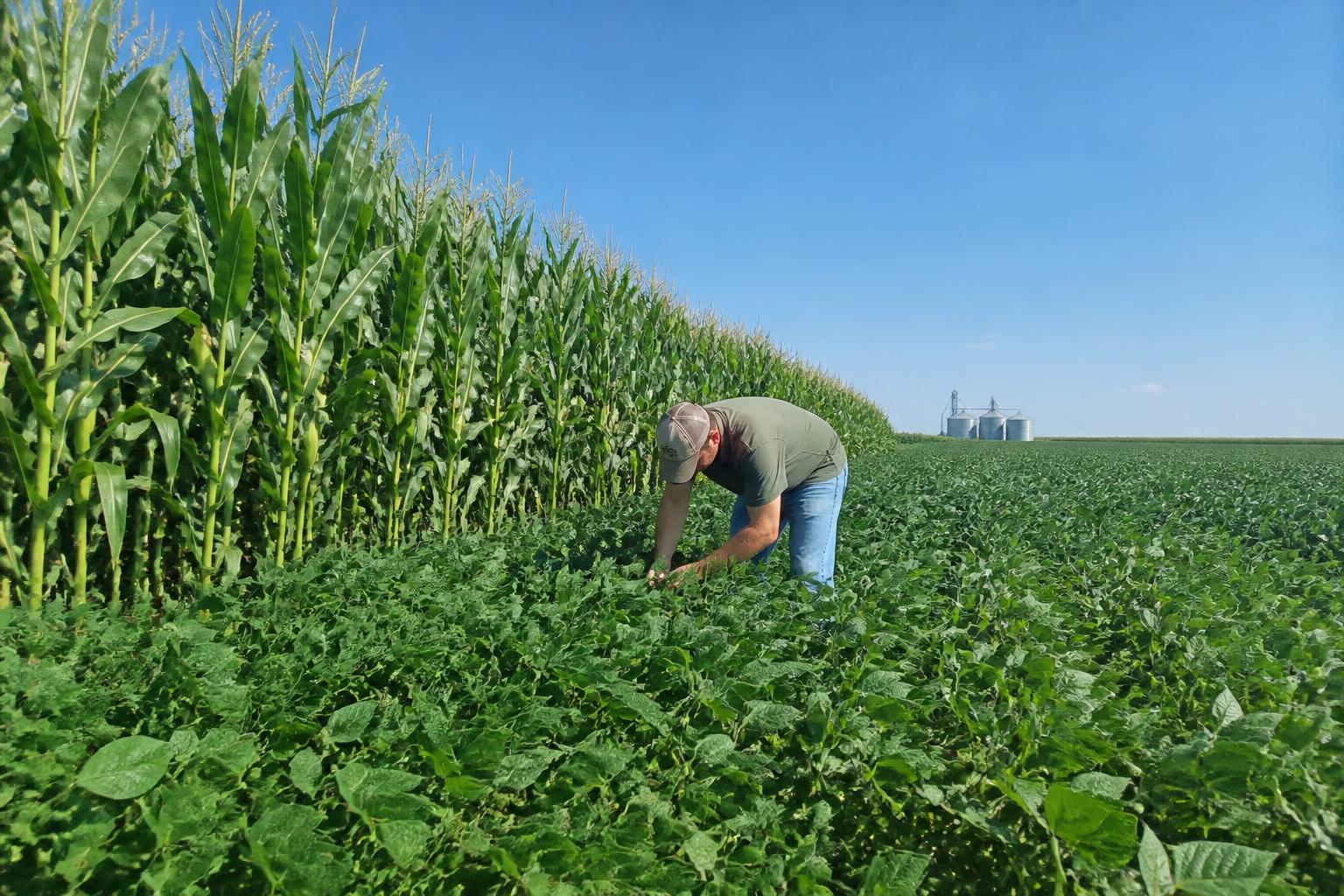
In Nebraska, late-summer field management remains a critical focus for producers looking to secure yields as the growing season progresses. Maintaining vigilance over crop health involves not only monitoring for pests and nutrient deficiencies but also strictly adhering to application guidelines for protection products. With recent reports of herbicide injury, particularly concerning dicamba use, the agricultural community is increasingly focused on the intersection of effective weed control and neighborly stewardship.
Understanding the complexities of field applications is vital for protecting neighboring sensitive crops. Management practices often emphasize strict adherence to weather-related constraints, such as wind speed and temperature inversions, which can significantly influence the potential for off-target movement. Proper sprayer maintenance and diligent record-keeping remain foundational for operations looking to mitigate risk and ensure sustainable long-term success for their soybean and corn fields.
Navigating Evolving Field Standards
As regulatory standards and industry expectations shift, producers are finding that proactive communication with neighboring farms helps clarify application windows and reduces conflict. In many parts of the state, navigating pest pressures requires a balanced approach that utilizes both chemical and cultural management strategies. By staying informed on the latest product labeling and regional best practices, farmers can better manage the variability inherent in Nebraska's diverse growing landscape.
Strategic Planning for Season Success
Beyond immediate crop protection, producers are evaluating the effectiveness of their chosen management programs as they head into the harvest preparation phase. Decisions made during this time of year often influence future soil health and chemical requirements for the following season. Whether it involves reviewing the performance of specific crop health initiatives or adjusting inputs for late-season demands, data-driven decisions provide a clearer path toward long-term operational efficiency.
What it means for the market
For agribusinesses and grain handlers, consistent application standards translate to more stable yields and higher quality outputs. As the state moves closer to harvest, the emphasis on responsible crop management supports the integrity of Nebraska’s grain supply chain and strengthens the position of local producers in both domestic and international markets.
Comments
No comments yet - be the first to share your take.