
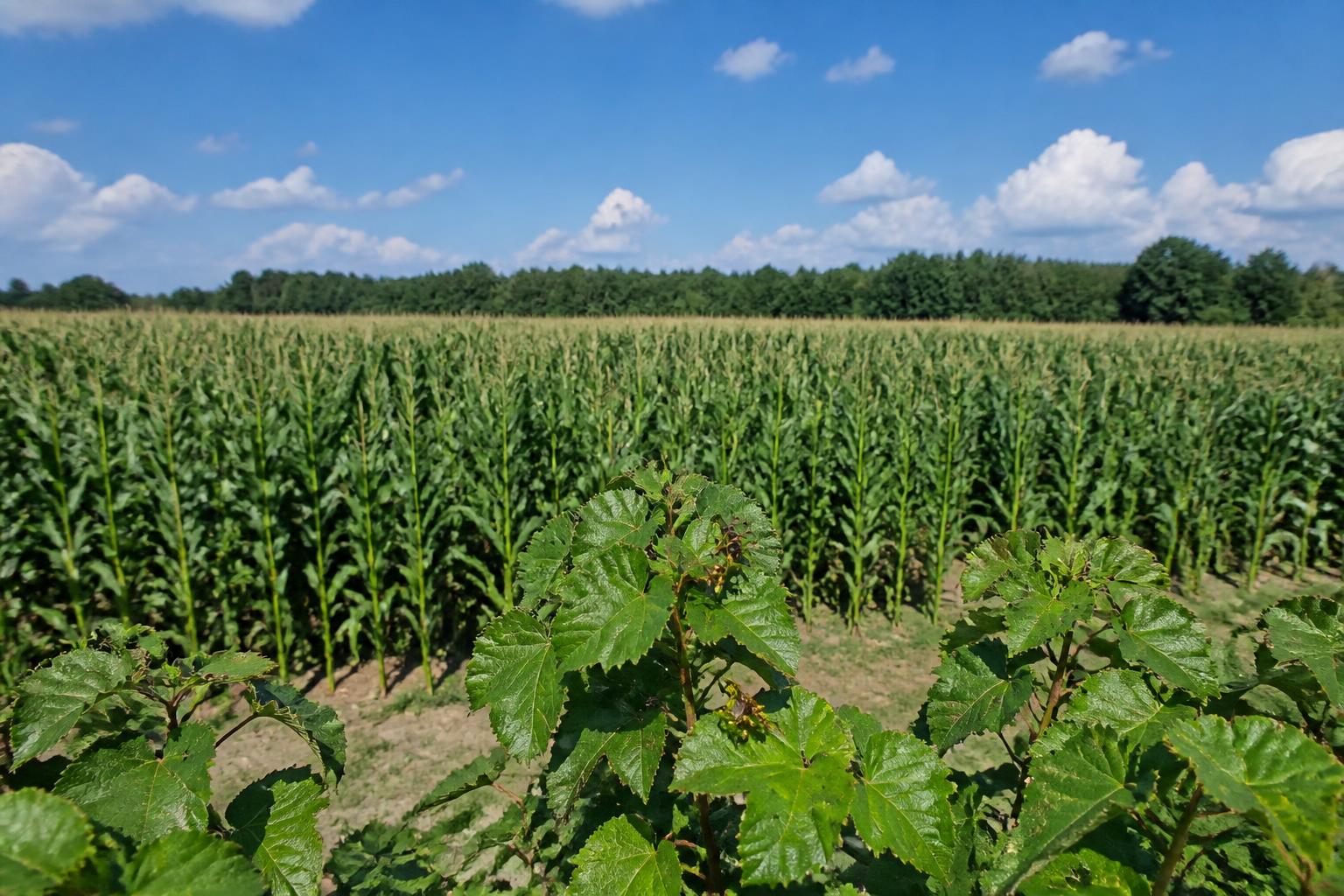
As South Carolina producers navigate the heat of the late-summer season, field management remains a priority amidst shifting environmental and biological pressures. Recent weather patterns, including storms that have triggered flooding and infrastructure stress, have underscored the vulnerability of regional harvests. For growers in the Carolinas, protecting crop integrity from both climate-related damage and emerging pest threats remains a central theme for operational planning.
Adapting to Evolving Pest Pressures
Integrated pest management remains a key focus for local agribusinesses as they monitor field health. Recent observations in South Carolina have highlighted specific concerns, such as the two-spot leafhopper affecting okra crops. While reports of invasive insects frequently capture regional attention, experts continue to emphasize the importance of distinguishing between high-risk threats and seasonal nuisances. Maintaining robust crop protection strategies is essential for mitigating the impact of sporadic but damaging infestations that can compromise yield quality.
Building Operational Resiliency
Beyond biological threats, logistics and infrastructure reliability continue to be top-of-mind for South Carolina farmers. The potential for weather-related disruptions, as seen in recent storm events, necessitates proactive planning for grain storage and supply chain movement. Effective logistics and transport management are vital to ensuring that harvested commodities reach market outlets efficiently, despite the unpredictability of regional road conditions and local climate events.
Investment in Agricultural Stability
State-level initiatives and research continue to support the long-term viability of the sector. From securing federal funding for invasive pest research to technological advancements in plant genetics, there is a clear push to modernize and protect the state's agricultural backbone. Producers who prioritize sustainable grain and input planning are better positioned to weather the fluctuations currently seen across the Southeast, where crop conditions continue to show a distinct regional divide.
What it means for the market: The current market environment in South Carolina requires a defensive posture. For producers and handlers, the combination of potential weather impacts and localized pest threats suggests that maintaining flexible inventory management and staying updated on regional pest alerts are necessary to minimize financial exposure and protect harvest margins.
Comments
No comments yet - be the first to share your take.