
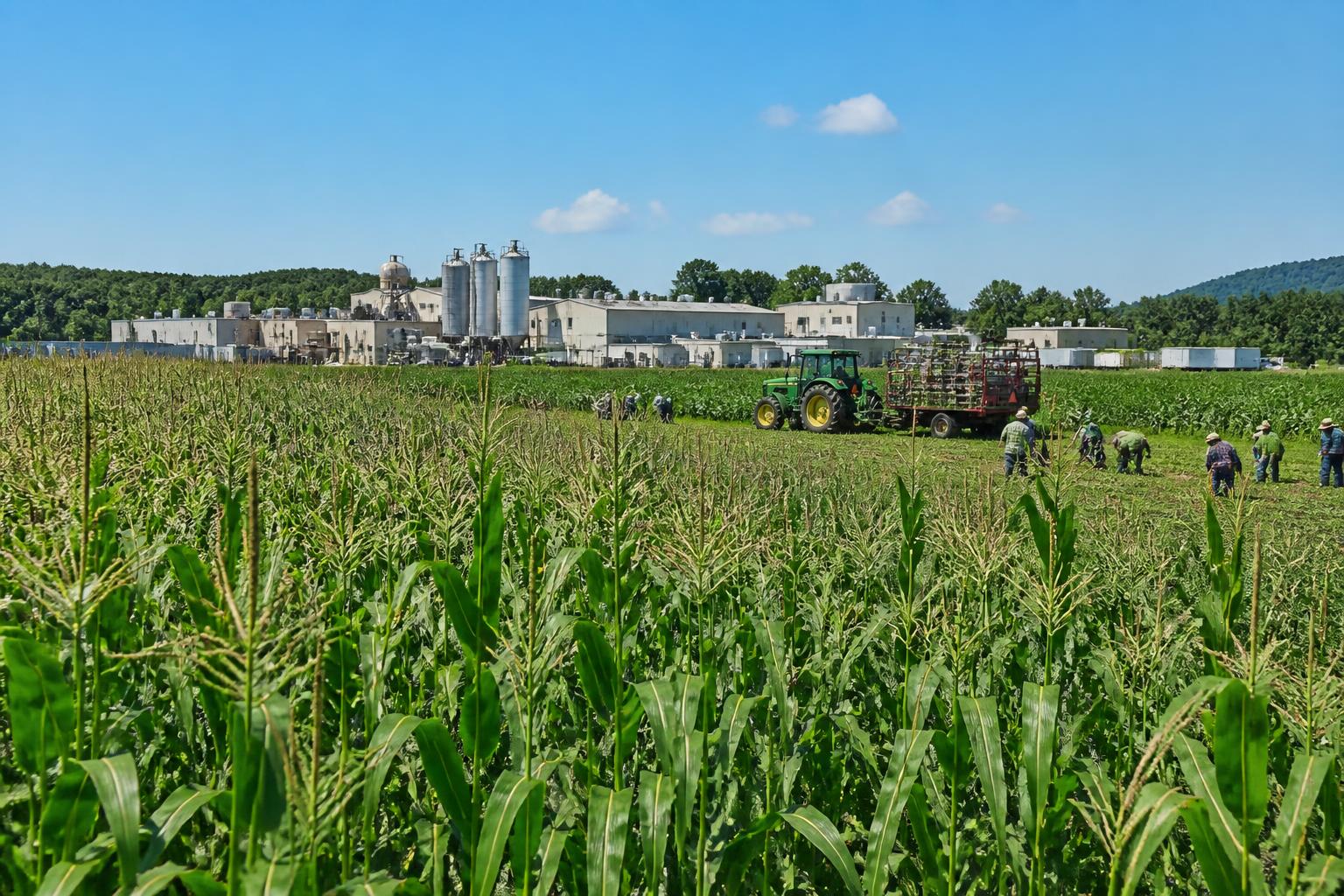
The Pennsylvania poultry industry is seeing a notable shift in operational structure this summer. Recent reports confirm that The Wenger Group has moved to acquire Plainville Farms, a strategic consolidation aimed at maintaining key processing operations in Adams County. For local producers and grain handlers, this move is significant as it secures a major regional outlet for poultry products and helps retain hundreds of jobs within the Commonwealth's agricultural backbone.
Keeping processing capacity stable is a critical component of Pennsylvania agricultural logistics, especially as farmers manage the unique transport challenges associated with moving perishable goods and feed inputs during the height of the summer season. Whether navigating rural road restrictions or coordinating with regional grain elevators, maintaining reliable market access remains a top priority for agribusinesses across the state.
Strengthening Regional Agricultural Value
Beyond poultry consolidation, Pennsylvania continues to invest in specialized production. The state has recently allocated substantial funding toward specialty crop projects, reflecting a broader effort to diversify income streams for family farms. For growers, these initiatives provide a potential buffer against volatile commodity markets, though success often hinges on tight agricultural resilience strategies that connect local output to end-market demands.
Additionally, with corn harvest preparations typically beginning to take shape as we move toward the fall, industry groups are actively working to expand membership and foster collaboration among grain producers. These organizational efforts often focus on addressing input cost fluctuations and improving the efficiency of regional supply chain linkages.
What it means for the market
For Pennsylvania farmers and handlers, the current landscape is defined by a push for infrastructure stability and market certainty. The integration of processing assets in Adams County signals a focus on keeping supply chains local and reliable, which may offer a degree of insulation against larger, external market disruptions. Producers should continue to monitor local intake capacity at regional mills and facilities as we transition into the harvest months, ensuring that transport plans align with available processing windows.
Comments
No comments yet - be the first to share your take.