
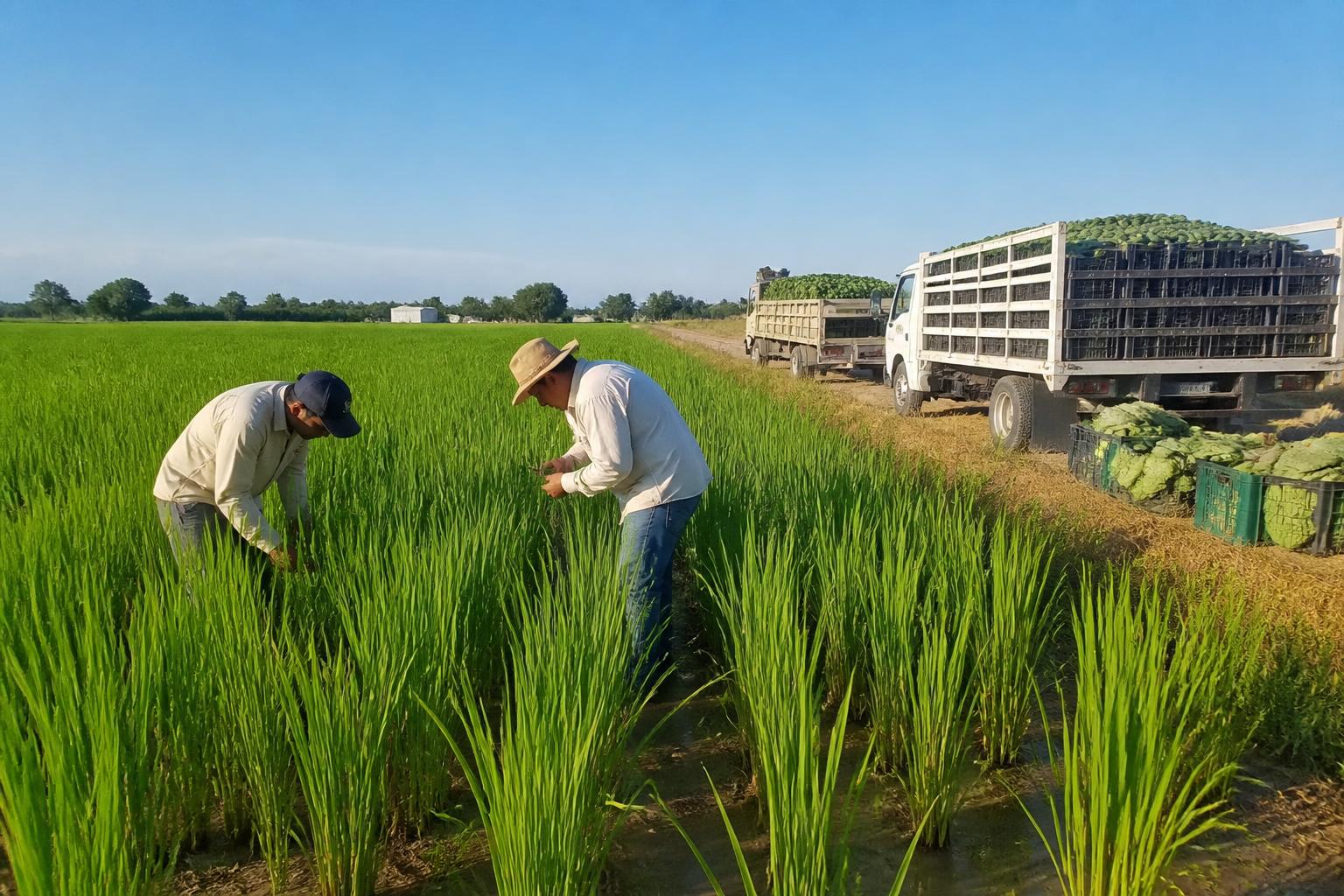
Texas continues to serve as a critical gateway for regional agricultural trade, with ports like Pharr experiencing a notable uptick in fresh produce imports. For producers and distributors across the state, this influx underscores the importance of maintaining fluid supply chains as harvest cycles and trade demands intersect in the late summer heat.
While import volumes show growth, the broader landscape for local operations remains complex. Producers are currently weighing the logistics of moving goods against a backdrop of variable production expenses. Efficient logistics management in South Texas remains essential for maintaining margins, particularly as external economic pressures continue to impact fuel and feed costs across the cattle and grain sectors.
Managing Throughput at State Gateways
The expansion of import capacity at major border crossings presents both opportunities and challenges. For local grain handlers and agribusinesses, the primary focus is ensuring that terminal operations can keep pace with both domestic harvest logistics and the steady flow of international agricultural commodities. Whether dealing with seasonal overflow or routine throughput, the ability to pivot resources quickly is becoming a competitive necessity.
Input Costs and Market Resilience
Farmers in regions known for staples like rice and row crops are reporting that production costs remain a significant hurdle. These financial realities, when paired with the logistical demands of current Texas grain market strategies, require a cautious approach to inventory management. Maintaining flexibility in storage and transportation planning helps mitigate the impact of price volatility and potential bottlenecks during peak movement windows.
What it means for the market
For stakeholders in the Texas agricultural supply chain, the current climate demands a dual focus on operational efficiency and financial preparedness. As import volumes rise and production costs remain elevated, businesses that prioritize real-time logistics tracking and sound inventory management will be better positioned to navigate the remainder of the summer season and beyond.
Comments
No comments yet - be the first to share your take.