
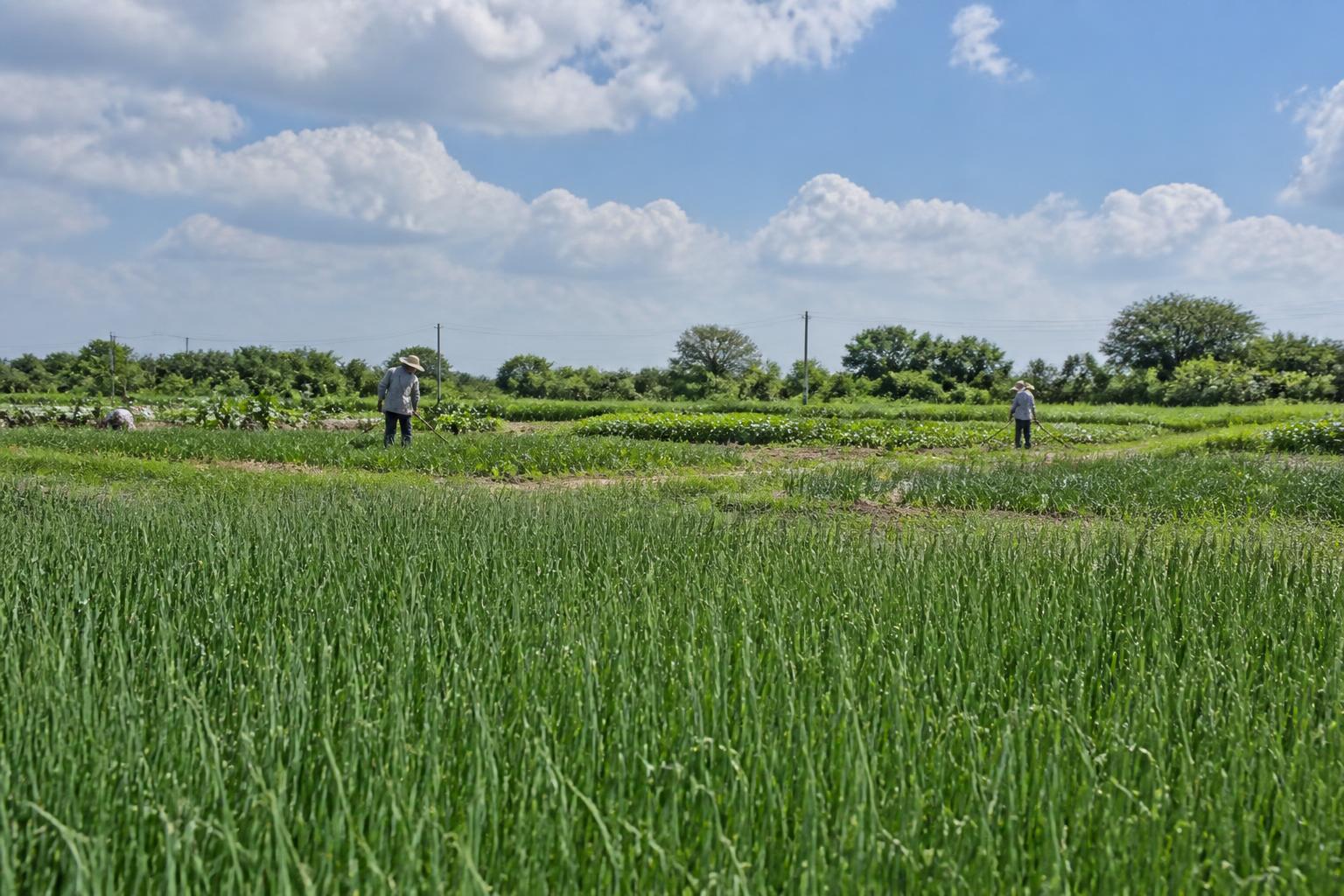
For Texas agribusinesses, the intersection of late-summer weather patterns and supply chain logistics remains a constant variable. Recent reports of flooding along the Nueces River have highlighted the vulnerability of regional harvest operations, prompting many producers to prioritize immediate crop protection strategies to mitigate field-level losses.
Maintaining logistical resilience in the face of these challenges is essential for grain handlers and transport providers. As the sector manages the physical risks posed by high water, farmers are encouraged to engage with ongoing grain market analysis to better understand how regional environmental pressures and broader trade volatility influence their bottom line. With the season in full swing, monitoring local transport corridors and regional grain storage capacity is vital for ensuring harvest speed remains efficient despite localized bottlenecks.
Building Operational Security
Beyond weather events, Texas agriculturalists are contending with a multi-faceted range of biological and invasive threats. The ongoing struggle against feral swine continues to drain operational resources, while newer concerns, including surges in screwworm cases, require heightened vigilance for livestock producers. Protecting the herd from emerging biosecurity threats is now as critical as monitoring market cycles for commodity inputs.
Technology continues to offer a buffer against these pressures. From the deployment of drones to manage invasive brush to the adoption of advanced monitoring tools, investments in precision agriculture are increasingly framed as essential defense strategies. As noted in recent agricultural protection alerts, staying ahead of these diverse threats requires a proactive stance on surveillance and resource management throughout the growing season.
What it means for the market
For grain elevators, logistics providers, and input buyers, the current environment demands a high degree of flexibility. The combination of unpredictable weather and biological pressures suggests that market participants should prioritize localized risk assessments. Producers who align their harvest schedules with real-time logistics monitoring and robust biosecurity protocols will be best positioned to weather the volatility inherent in this year's late-summer market.
Comments
No comments yet - be the first to share your take.