
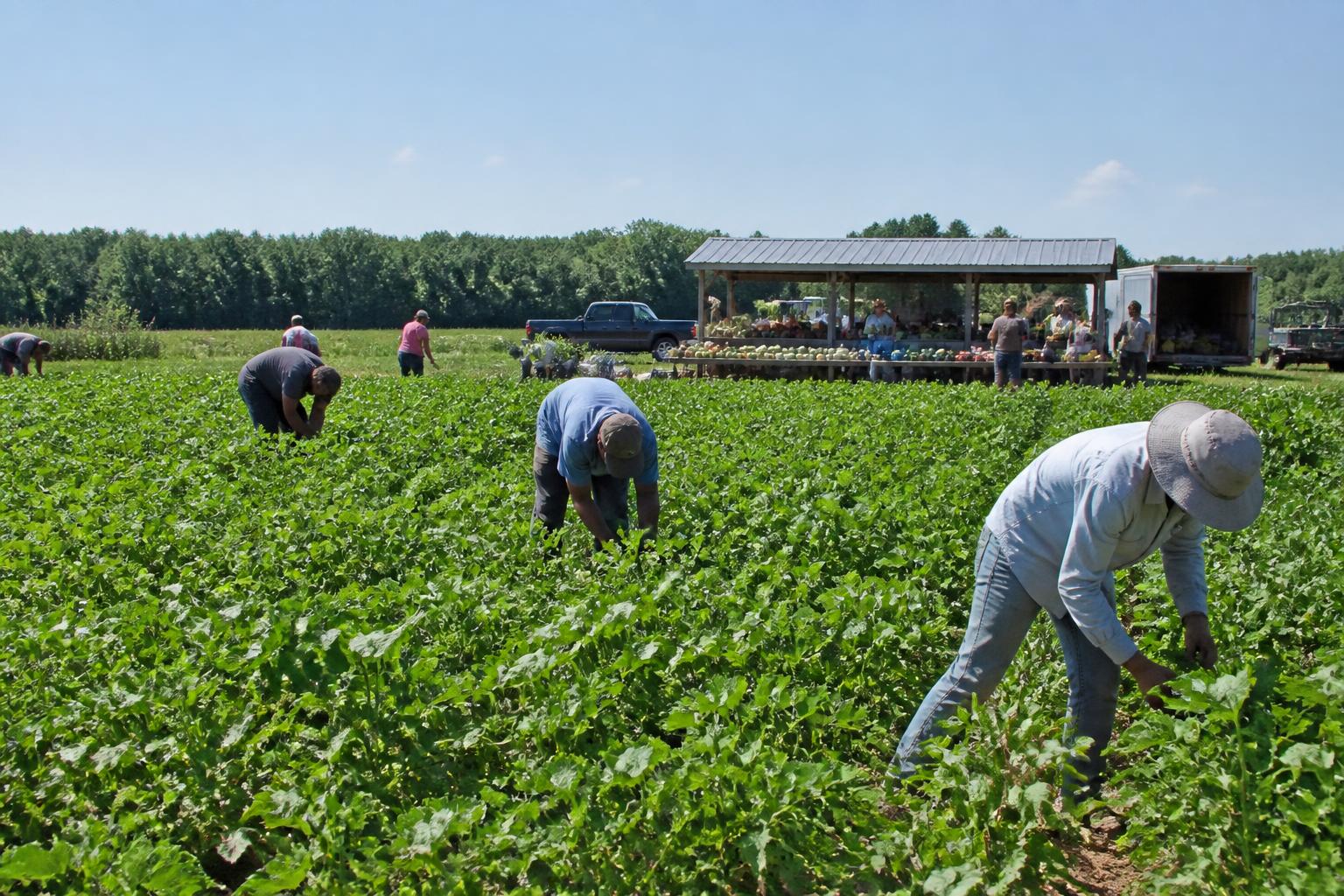
For agricultural producers throughout North Carolina, the current summer season brings a complex set of challenges characterized by the ongoing volatility of operational expenses. As field operations remain active across diverse regions from the Coastal Plain to the Piedmont, grain handlers and growers are closely monitoring the impact of elevated costs for critical inputs, particularly fuel and fertilizer, on their bottom lines.
These logistical and financial pressures are forcing many operators to re-evaluate their resource allocation. While the focus remains on maintaining crop health and maximizing yield potential, the rising overhead associated with diesel consumption and traditional nutrient applications has prompted an increased interest in long-term efficiency strategies. In some areas, producers are experimenting with alternative nutrient management practices, such as composting, to mitigate dependence on synthetic products that have seen significant price swings in recent years.
Adapting Operational Strategies in a High-Cost Environment
Managing the intersection of input availability and profitability is vital for maintaining the competitive edge of operational efficiency in crop protection and field management. Local agribusinesses are often finding that flexible logistics and strategic procurement can provide a necessary buffer against market uncertainty. As farmers navigate these financial hurdles, the emphasis on soil health and site-specific technology adoption appears to be shifting from a luxury to a fundamental component of resilient farm management.
The Road Ahead
Looking toward the end of the season, maintaining operational margins will be a primary concern for the agricultural community. Beyond immediate input costs, the broader economic landscape continues to shift as new agribusiness investments enter the state, potentially altering the local supply chain for both machinery and support services. Growers are advised to keep a close watch on regional distribution trends to better anticipate potential bottlenecks as harvest approaches.
What it means for the market
The persistent rise in operational costs suggests that farmers who prioritize data-driven input application and diversified supply chains may be better positioned to weather the current market cycle. While the pressure on margins is clear, it is also driving a renewed focus on ag-tech integration and sustainable practices, which may provide long-term stability for North Carolina agribusinesses.
Comments
No comments yet - be the first to share your take.