
Heightened Vigilance for Spotted Lanternfly
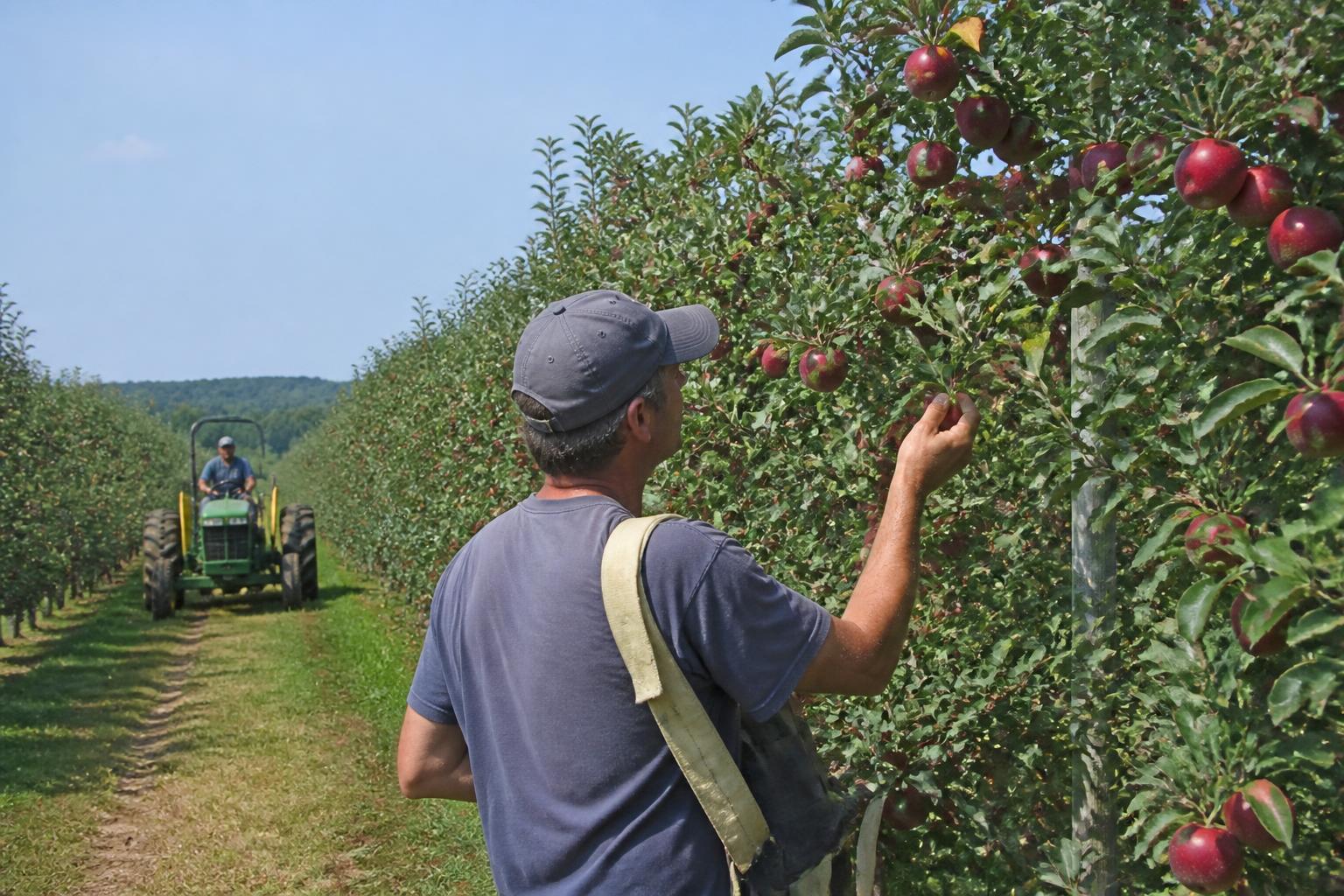
As Connecticut enters the final stretch of the summer growing season, state officials are renewing calls for farmers, nursery operators, and local distributors to remain on high alert for the spotted lanternfly. These invasive pests can cause significant damage to orchards and vineyards, which are cornerstones of the state's specialty crop sector. Proactive monitoring is essential now as these insects begin their transition into more active life stages.
For those managing diverse operations, incorporating rigorous scouting practices into daily field routines can help contain potential infestations before they escalate. Early detection remains the most effective tool for protecting orchard yields and preserving crop health through the harvest window. Growers are encouraged to report sightings through official state channels, helping to map potential hotspots across Connecticut's agricultural landscape.
Managing Invasive Pressures and Land Use
Beyond the immediate threat of insects, farmers continue to balance operational logistics with ongoing environmental challenges. Maintaining robust crop security measures is vital, particularly when navigating the intersection of invasive species and wildlife management. As property pressures increase, including tightening industrial real estate markets, efficient use of existing farmland and storage infrastructure becomes increasingly important for maintaining profit margins.
Input management strategies remain another focal point for regional producers. Staying updated on seasonal shifts and localized crop protection protocols allows operators to mitigate risks associated with both pest outbreaks and the rising costs of agricultural inputs. Ensuring that equipment and storage facilities are optimized during this time can also reduce the impact of external supply chain bottlenecks that may affect the regional movement of goods.
Supporting Long-Term Farm Viability
The state continues to prioritize the resilience of its agricultural sector through support for specialty crops and improved safety net legislation. These resources are designed to help small-to-medium farmers navigate the volatile market conditions that often accompany shifts in regional supply chains. By utilizing state grants and federal advocacy efforts, Connecticut producers are better positioned to sustain their operations against both environmental and market-driven fluctuations.
What it means for the market: Tightening industrial and logistical space in Connecticut, paired with ongoing pest monitoring requirements, indicates that efficiency will be a key driver for profitability this fall. Farmers who emphasize early detection of invasive threats and leverage existing regional support programs will likely see more stability in their harvest-season operations.
Comments
No comments yet - be the first to share your take.