
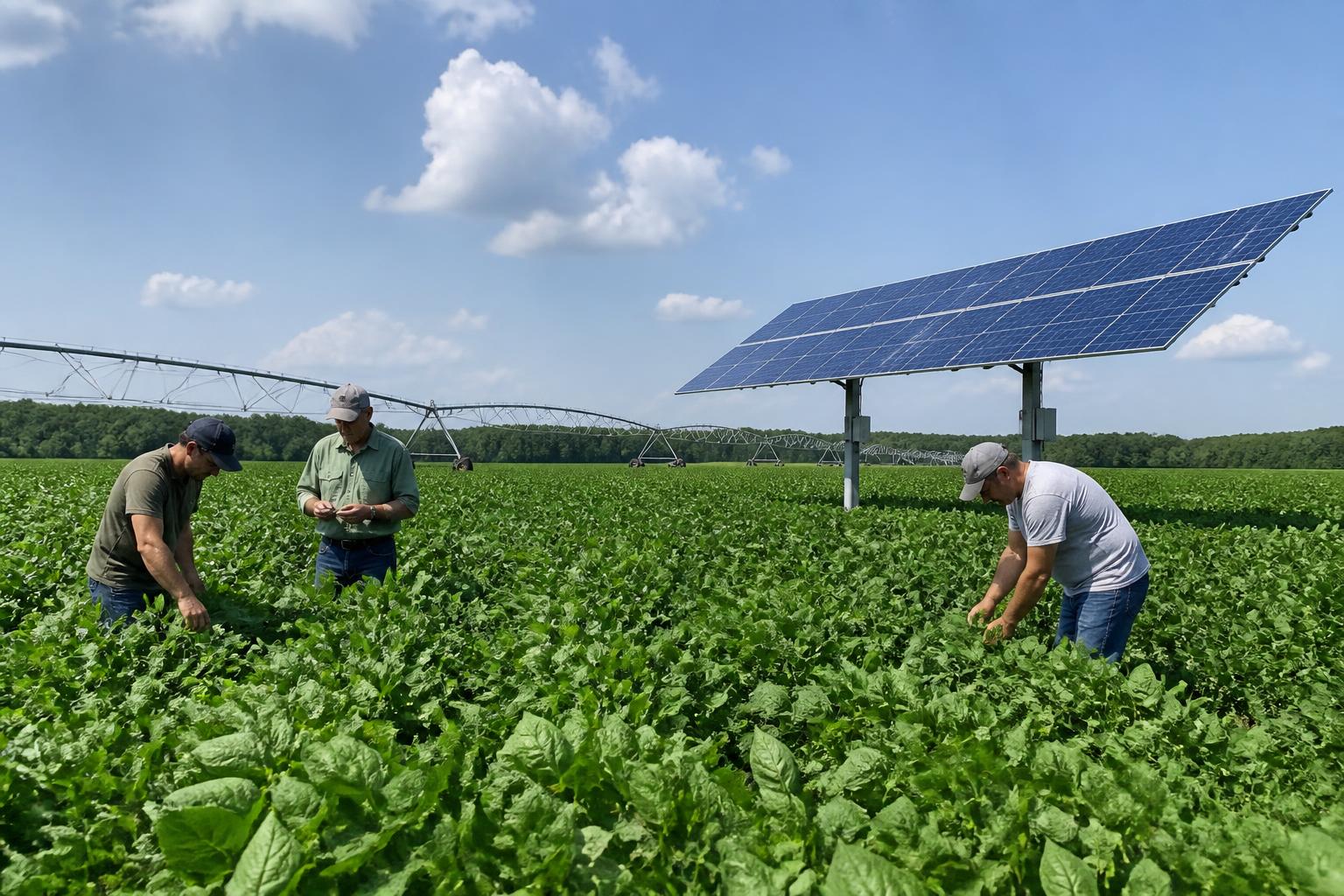
In the heart of the summer growth cycle, Alaska producers are increasingly turning their attention toward supply chain reliability and infrastructure stability. As farming operations across the state, from the Matanuska-Susitna Valley to the Kenai Peninsula, push toward the end of the season, maintaining consistent access to essential inputs remains a primary concern for local operators.
Building Operational Resilience
For many Alaskan growers, the logistical challenge of managing input supply chains is a perennial hurdle. The necessity of balancing local production demands with regional distribution capabilities often requires creative planning. Producers are looking closely at how strengthening Alaska farm resilience can mitigate the risks posed by fluctuating costs and potential disruptions in the transit of agricultural goods. Whether managing pest control protocols or securing fertilizer stocks, the focus is increasingly on building internal capacity and regional self-reliance.
Logistical Coordination and Market Stability
Transport logistics continue to be a defining factor in how efficiently goods move through the state. During the current peak season, ensuring that equipment and supplies reach remote operations requires precise coordination. As noted in recent updates on monitoring crop protection standards and logistics capacity in Alaska, the ability to maintain steady operations is tied directly to the health of the local supply chain. Producers are encouraged to keep a close eye on transport availability and plan their input procurement cycles well ahead of seasonal shifts.
Strategic Planning for Producers
As the sector evolves, the integration of new strategies to safeguard harvests becomes more critical. Small-to-mid-sized operations are often evaluating how to optimize their procurement strategies to avoid the volatility sometimes associated with broader national market trends. By prioritizing local crop protection strategies for Alaska's summer growth cycle, growers can better position themselves to manage risks while focusing on the high-quality yields that characterize Alaska's unique agricultural environment.
What it means for the market
For Alaska agribusinesses, the current climate emphasizes that security is found in planning and diversity. As the summer season moves toward completion, producers who maintain robust local networks and flexible logistics will be best positioned to navigate supply hurdles and capitalize on the growing demand for locally sourced agricultural products.
Comments
No comments yet - be the first to share your take.