
Adapting to Evolving Regulatory Requirements
As the summer growing season progresses across Maine, agricultural producers are increasingly navigating complex discussions surrounding land use and environmental compliance. Recent legislative activity has highlighted the ongoing scrutiny of reporting requirements, particularly as farms work to balance operational transparency with long-term land stewardship. For many growers, staying informed on these updates is becoming a standard part of business management, as the industry continues to prioritize land protection and resilience in a changing climate.
Water Management and Soil Health Challenges
Environmental conditions remain a critical focal point for Maine agribusinesses. Reports indicate that substantial portions of the state have experienced significant moisture deficits this season, underscoring the importance of robust water management practices. Whether dealing with irrigation needs for field crops or mitigating soil contamination risks, producers are exploring new pathways for research and mitigation. These efforts are essential for farms looking to maintain production stability while facing unpredictable weather patterns and stringent environmental standards.
Strategic Shifts in Production
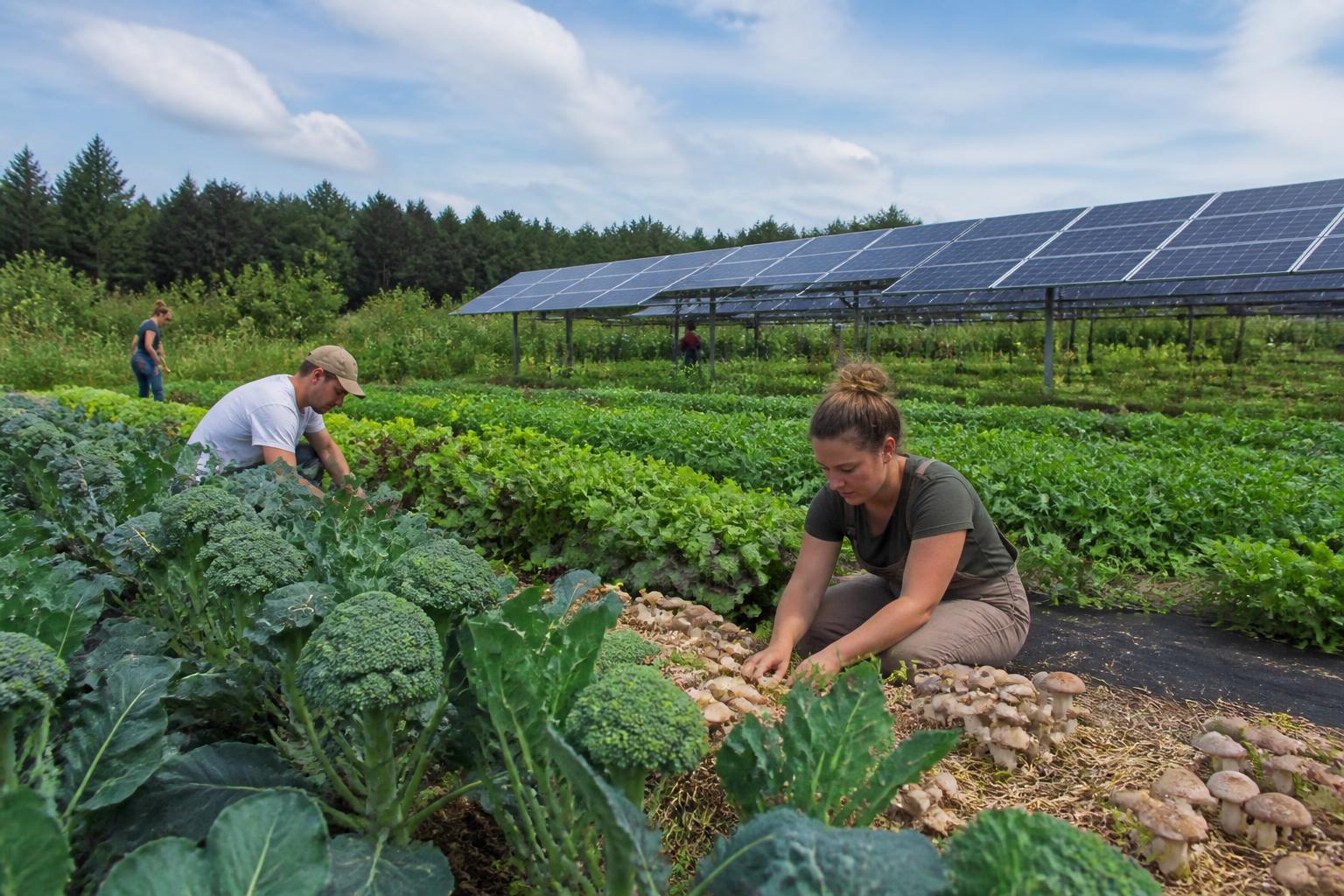
The Maine agricultural sector continues to show versatility, with some producers finding success in niche markets like broccoli or exploring potential opportunities in specialty crops like mushrooms. However, this diversification often comes with the necessity for increased operational oversight. As farms integrate new crops or transition land uses, the focus remains on ensuring that current practices meet modern safety and environmental thresholds. Maintaining these standards is essential for the long-term viability of the regional agricultural economy.
What it means for the market
For grain handlers, input buyers, and local agribusinesses, the current climate suggests a trend toward higher administrative and compliance-related costs. Producers who proactively engage with soil health strategies and stay ahead of reporting mandates may find themselves better positioned to weather regulatory shifts. As the season continues, maintaining clear communication with service providers and monitoring regional environmental reports will be vital for operational planning.
Comments
No comments yet - be the first to share your take.