
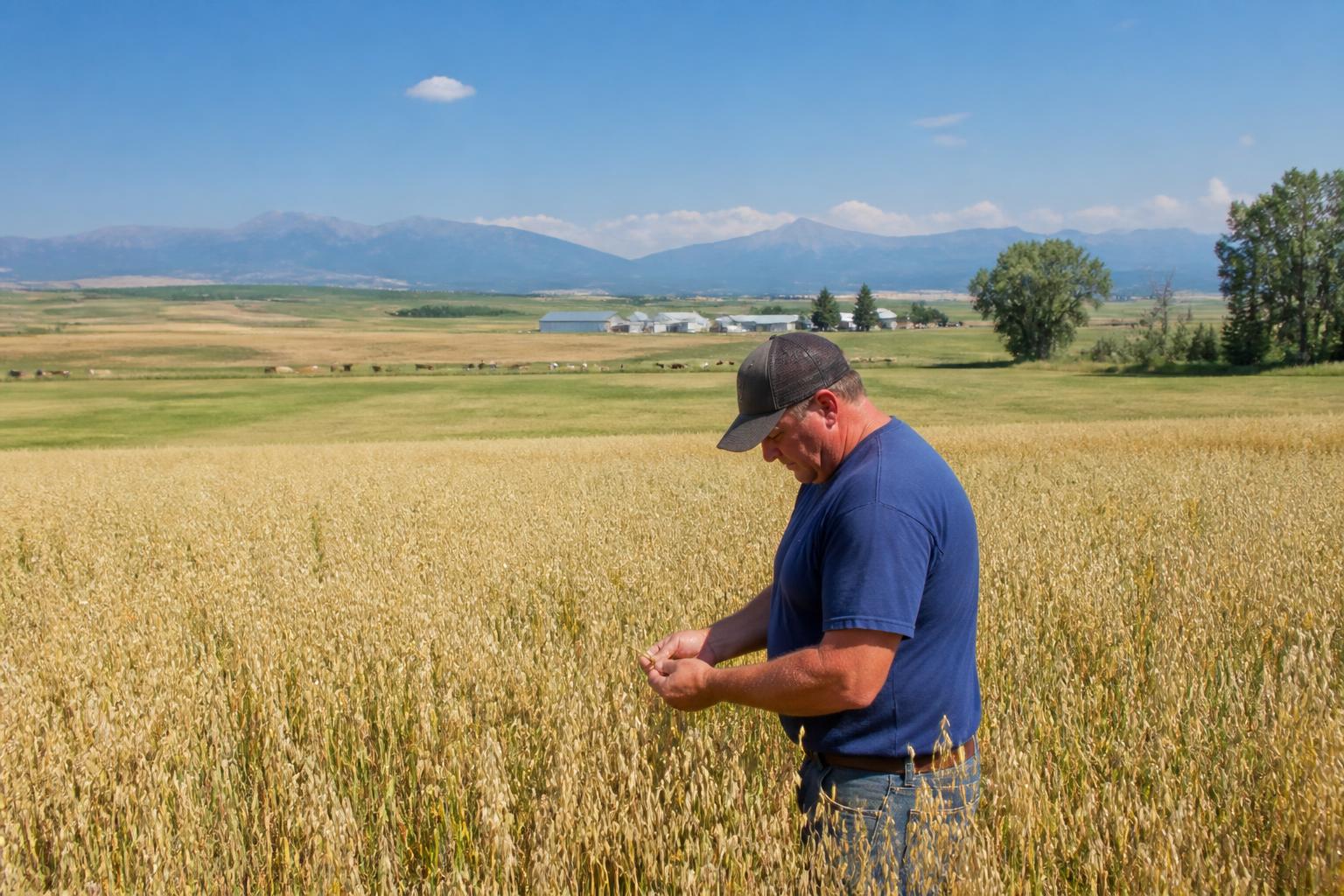
Montana producers are currently navigating a challenging economic environment, defined by a lingering price squeeze that shows little sign of immediate relief. As the state moves through the heat of August, the focus remains firmly on managing operational overhead against the backdrop of fluctuating global commodity markets. For many operations, the primary concern remains the high cost of essential inputs, which continue to strain liquidity even as harvest operations ramp up across the state.
The current volatility in energy and fertilizer markets continues to impact the bottom line for farmers from the Golden Triangle to the rolling landscapes of eastern Montana. These input expenses, which often track with global geopolitical tensions and supply chain shifts, remain a significant hurdle for those trying to maintain healthy margins. While local growers continue to optimize their production strategies, the cumulative effect of these elevated costs often necessitates a more cautious approach to resource allocation through the remainder of the season.
Managing Logistic Hurdles and Market Volatility
Agribusinesses across the state are also contending with the typical mid-season logistics pressures that often arise as regional grain handling systems reach capacity. Maintaining efficiency in navigating mid-summer transport pressures is crucial as producers coordinate with elevators to manage storage and haulage. With regional infrastructure already under strain, timely communication between growers, carriers, and facility managers is becoming the difference between smooth flow and costly downtime.
Furthermore, weather remains a wildcard. Persistent reports of extreme heat and drought conditions in various parts of the U.S. have kept market sentiment guarded. In Montana, where crop quality and yield expectations are frequently tested by late-summer weather patterns, producers are remaining vigilant about how these macro-conditions might further impact local basis levels and overall price discovery.
What it means for the market
For the Montana agricultural sector, the path forward requires a disciplined focus on cost management and logistics planning. With input prices remaining stubbornly high, the focus is shifting toward maximizing yield potential and optimizing the timing of sales. While individual operations cannot control global fertilizer supply or fuel market volatility, many are finding that staying ahead of regional logistics bottlenecks is a critical way to protect their final net returns as the harvest season progresses.
Comments
No comments yet - be the first to share your take.