
In recent seasons, Massachusetts farmers have faced significant operational hurdles driven by unpredictable weather patterns. Recent storm events have tested the resolve of the state’s agricultural community, leading to increased interest in protective infrastructure and risk management strategies. For many producers in the Commonwealth, the ability to maintain consistent production cycles is now inextricably linked to water management and the efficiency of their equipment fleet.
As growers navigate these challenges, there is a growing trend toward investing in smart drainage technology. This equipment allows farmers to monitor and control water tables remotely, a critical capability when navigating the saturated soils often found following heavy seasonal downpours. By managing field moisture levels more precisely, operators can better protect root health and preserve soil integrity throughout the growing season.
Modernizing for Efficiency and Stability
Beyond water management, many operations are re-evaluating their capital investments. With smaller farms facing pressure from volatile input costs, focusing on machine efficiency is becoming a standard survival strategy. Upgrading to newer, more reliable tractors and implements can reduce downtime and maintenance costs during the narrow windows of opportunity that Northeast weather often dictates. For an in-depth look at optimizing storage and input efficiency, producers continue to prioritize equipment that offers both longevity and performance in local field conditions.
The Road Ahead
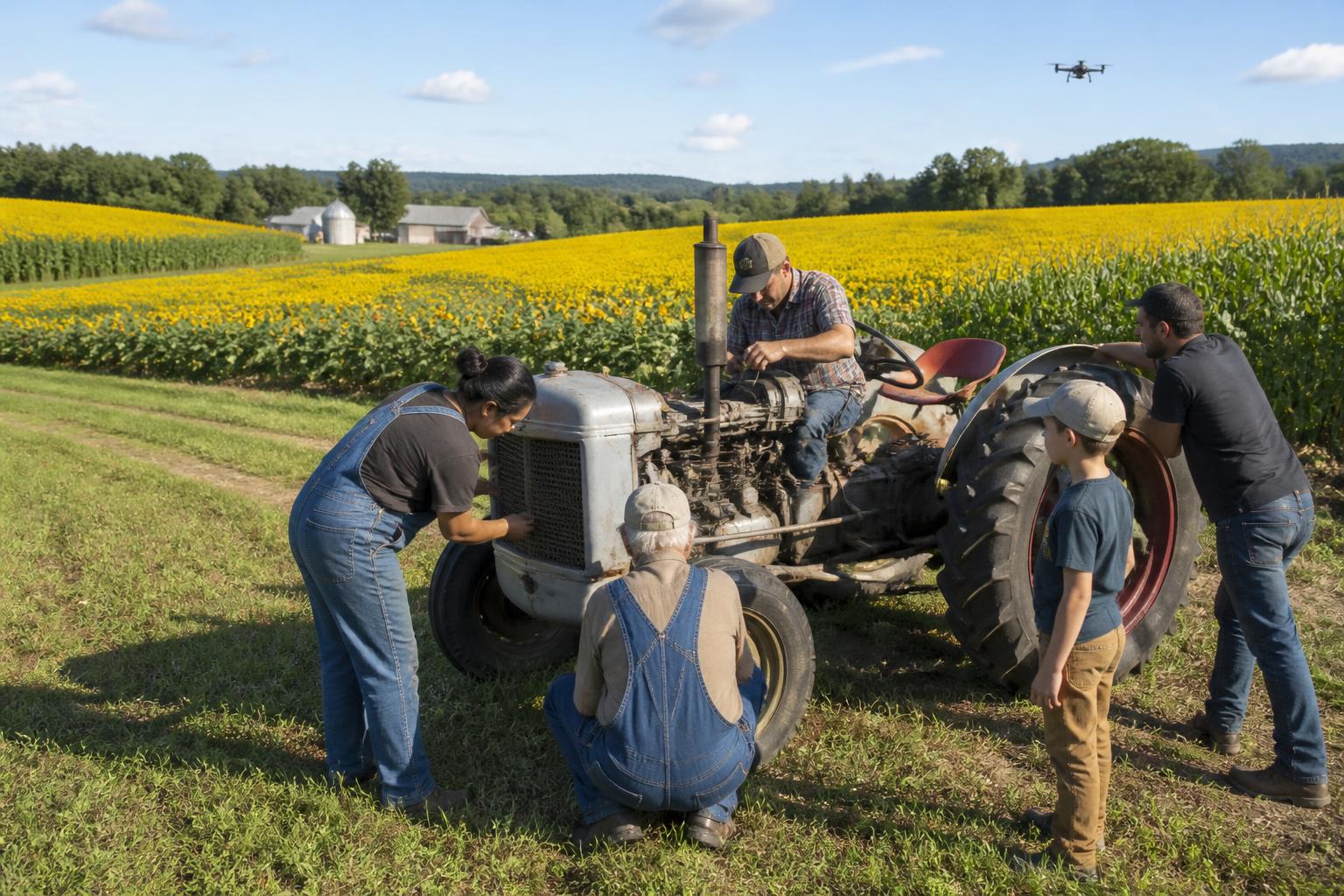
As the sector moves through the latter half of the summer, the focus remains on recovery and long-term adaptation. While external economic factors and supply chain constraints remain, the core drive for Massachusetts agriculture remains centered on operational self-sufficiency. Farmers are increasingly adopting a multi-generational approach to problem-solving, blending traditional field expertise with modern technological enhancements to fortify their land against future volatility.
What it means for the market
For agribusinesses and suppliers, these shifts indicate a sustained demand for precision agricultural tools and robust equipment parts rather than just large-scale capital acquisitions. Market participants should anticipate that local farms will continue to prioritize tools that directly support climate resilience and operational durability, favoring suppliers who can provide reliable support and technological guidance as these producers modernize their fields.
Comments
No comments yet - be the first to share your take.