
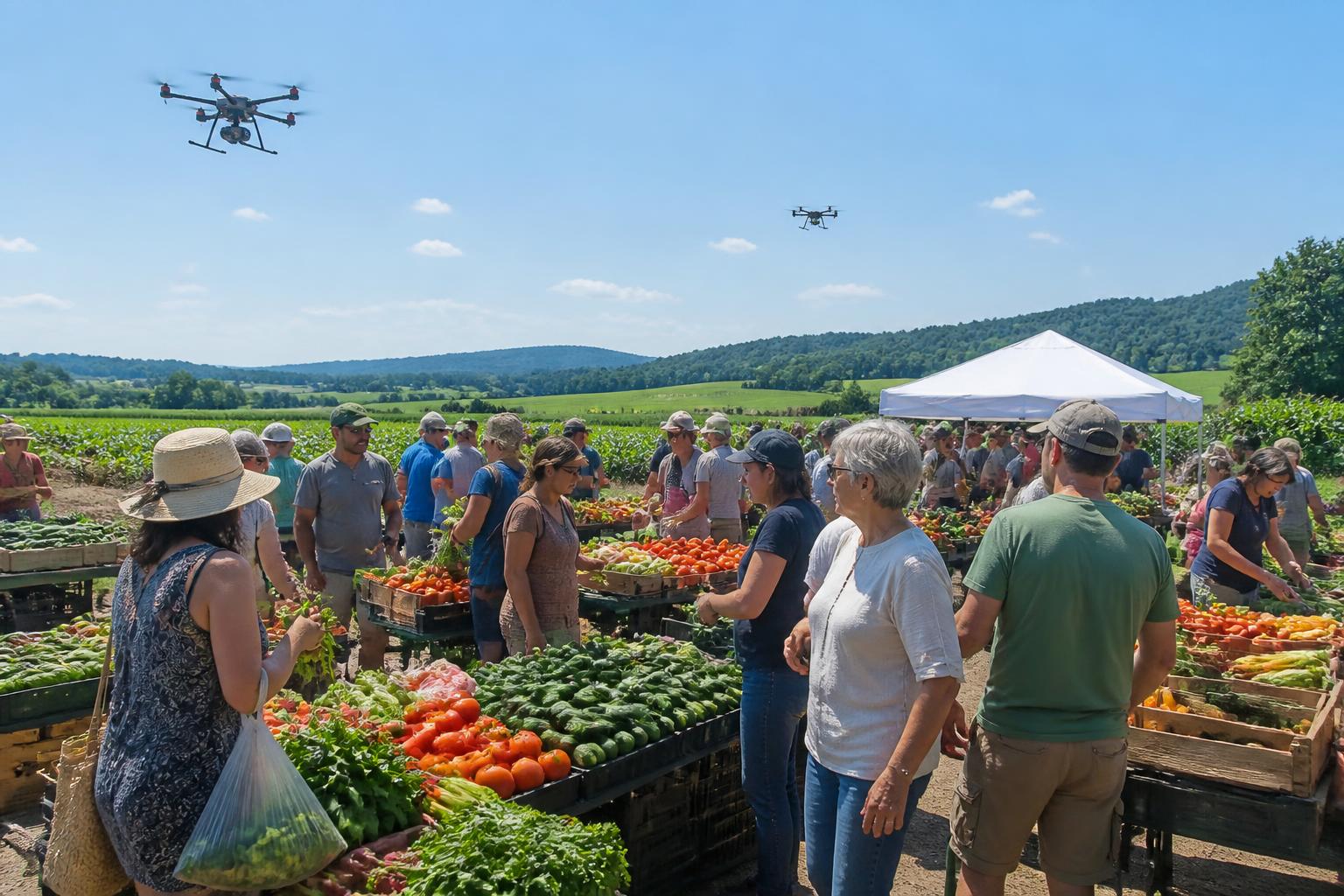
In late August, New Hampshire producers and agribusinesses are balancing the rapid pace of harvest-related logistics with ongoing infrastructure considerations. As seasonal activity intensifies, maintaining a steady flow of goods remains a primary concern for local farmers and regional distributors. Whether you are managing the movement of perishables or organizing the supply chain for early fall preparations, optimizing transport routes and operational timing is essential for maintaining margins during this busy period.
Refining Logistics Amidst Seasonal Demand
For many operations across the Granite State, the current window requires heightened attention to transport efficiency. As traffic patterns shift during the late summer months, carriers and farm managers are often re-evaluating their delivery windows to account for regional congestion and evolving road conditions. Effective transport management is vital to ensuring that produce reaches local outlets while maintaining freshness and quality, a necessity highlighted in our recent analysis on navigating logistics pressures.
Technology and Infrastructure in the Supply Chain
The broader agricultural landscape is also seeing significant interest in technological advancements, ranging from specialized propulsion systems for aerial monitoring tools to local facility improvements. In some parts of the state, adopting these modern tools can lead to more precise field management. Furthermore, discussions around wastewater infrastructure and environmental compliance continue to influence how larger agricultural and food-processing facilities plan their operational footprints for the upcoming fiscal year, as explored further in our overview of addressing resource constraints.
Building Operational Resilience
Beyond the immediate logistics, building long-term resilience is a top-of-mind strategy for many New Hampshire agribusinesses. As local food supply networks face varying degrees of market pressure, producers are increasingly looking for ways to streamline their internal processes and reduce bottlenecks in their distribution chains. Understanding the current climate of operational resilience and market pressures provides a practical framework for stabilizing your business against potential fluctuations in the seasonal market.
What it means for the market: For New Hampshire producers, the final push of summer demands a disciplined approach to logistics. By focusing on predictive routing, optimizing transport schedules, and staying informed about regional infrastructure shifts, agribusinesses can better manage the increased demand on local transit networks as they prepare for the transition into autumn.
Comments
No comments yet - be the first to share your take.