
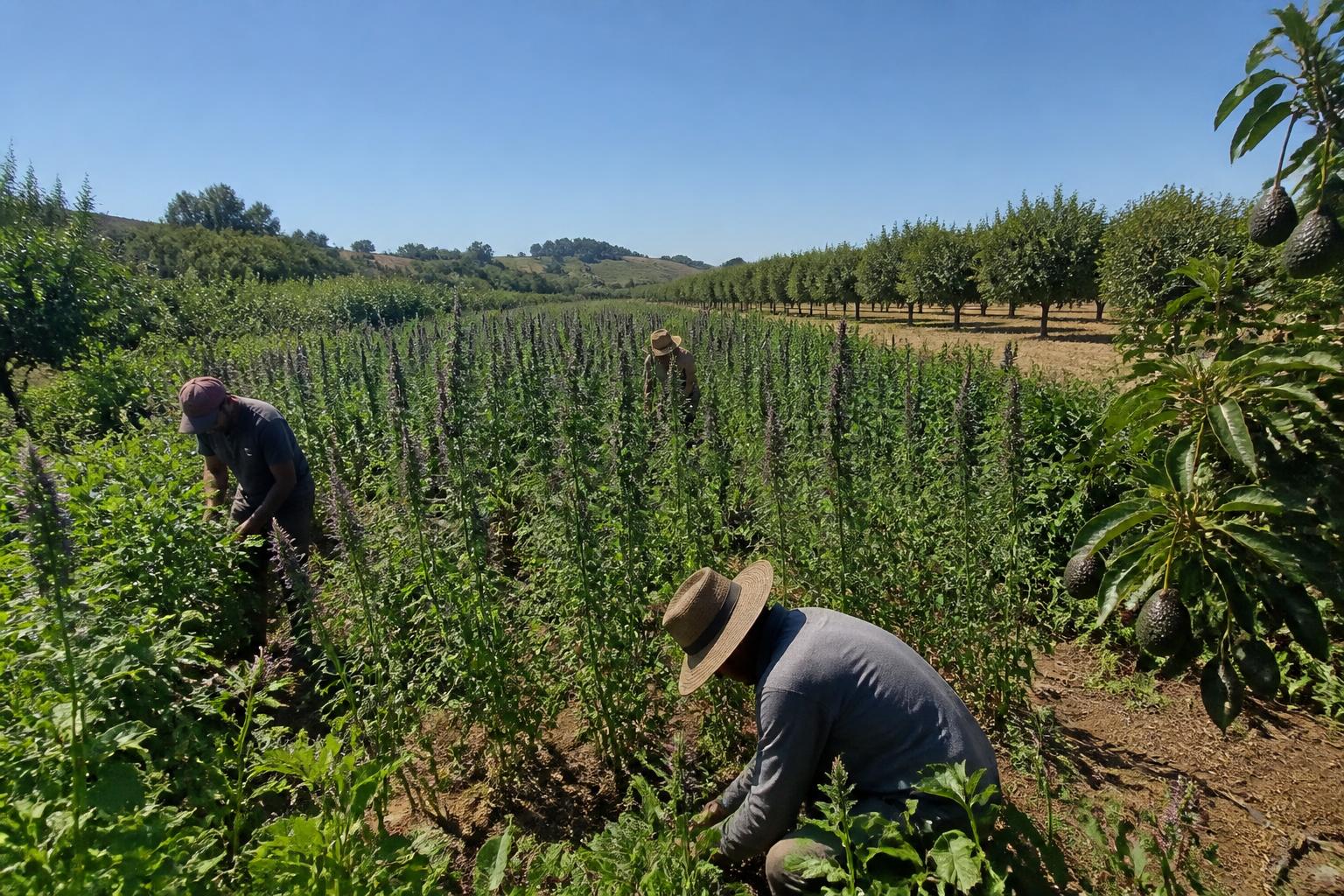
Adapting to Evolving Field Regulations
For many Oregon agricultural operations, the current season serves as a critical window for evaluating land management and protection strategies. As producers across regions from the Willamette Valley to the high deserts of Eastern Oregon balance productivity with compliance, navigating the complexities of field protection and regulatory standards remains a top priority. Recent discussions regarding CAFO permits and input restrictions highlight the necessity for growers to stay informed on local policy changes that impact their bottom line.
Sustainability and Long-Term Crop Viability
Sustainability trends continue to reshape how Oregon farmers approach long-term resilience. Whether dealing with the aftermath of recent heat events that challenged tree health in the Pacific Northwest or integrating regenerative practices in Southern Oregon, the focus is shifting toward methods that protect both the soil and the harvest. These strategies, while requiring upfront investment and careful management, are increasingly seen as essential tools for stabilizing output against variable environmental pressures.
Logistics and Market Resilience
Beyond the field, the ability to maintain market access is closely tied to how effectively operations integrate new protection standards with existing logistics. Producers are often finding that compliance is no longer just a legal obligation but a core component of market positioning. By proactively addressing permit requirements and environmental mandates, agribusinesses can better shield themselves from sudden operational disruptions during peak harvest windows.
What it means for the market
Producers who prioritize early compliance and sustainable soil management are better positioned to weather the current regulatory climate. Staying ahead of policy updates and investing in resilient crop strategies can provide a buffer against uncertainty, ultimately helping to maintain consistent supply chain flow and operational integrity as the season progresses.
Comments
No comments yet - be the first to share your take.