
Optimizing Grain Storage and Market Positioning
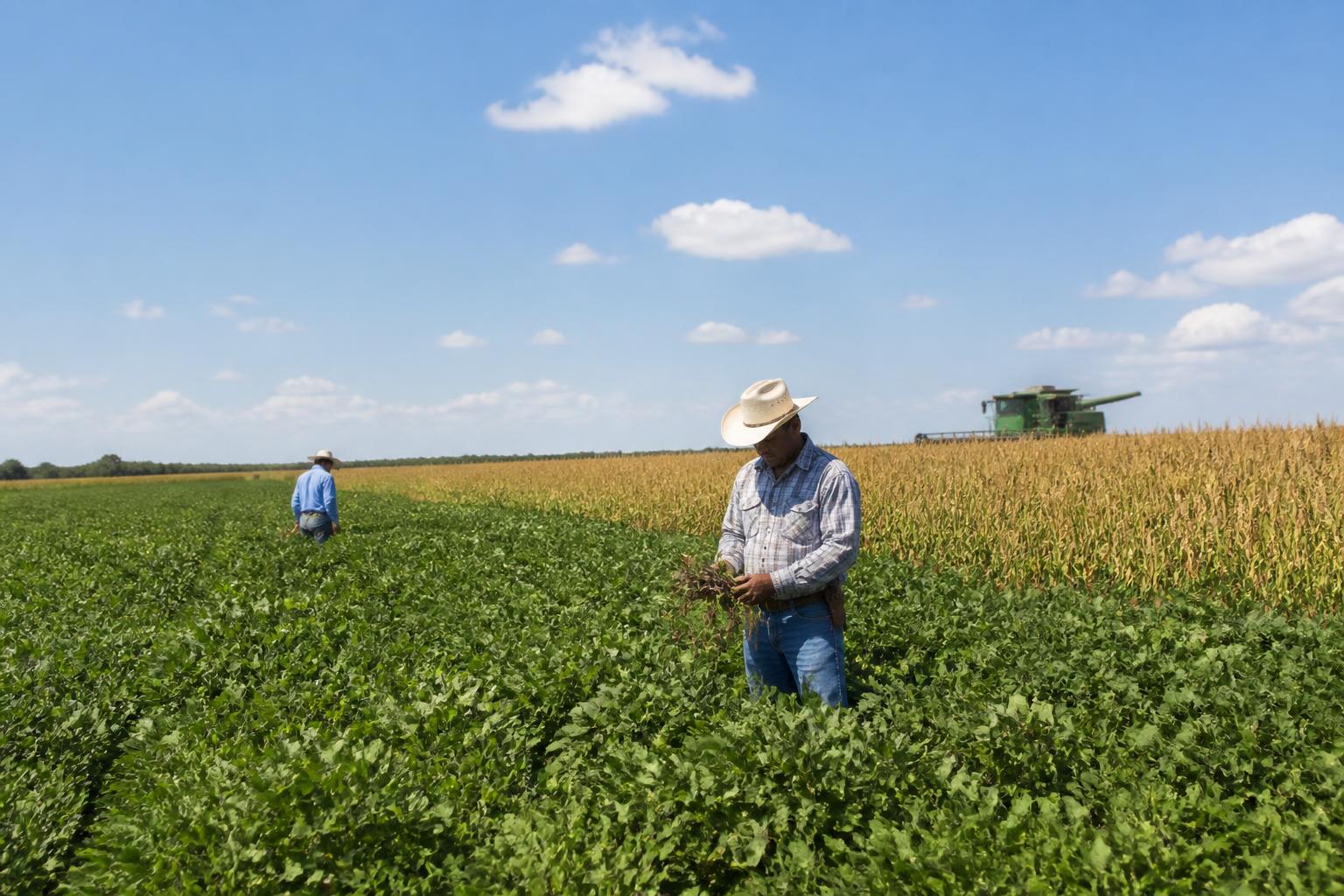
For many Texas producers, the current summer harvest period emphasizes the importance of precision in grain management. With market signals remaining sensitive to fluctuating global conditions, the difference between profit and loss often comes down to individual storage and marketing strategies. As seasonal pressures mount, local elevators and handlers are encouraged to focus on logistics efficiency to maintain steady throughput.
Producers are balancing the need for immediate liquidity against the potential for stronger price points later in the season. Efficient use of on-farm storage or proximity to regional terminals can prove critical when transportation costs and fuel volatility impact net returns. Monitoring local moisture trends remains a primary operational priority to ensure grain quality meets the exacting standards required for export and domestic processing.
Building Resiliency in a Volatile Climate
Beyond the grain pile, Texas agribusinesses are contending with broader systemic risks. From managing emerging biosecurity challenges that impact both herd health and crop security to navigating the logistical complexities of cross-border trade, the need for robust risk management has never been higher. Recent industry discussions have highlighted that financial and physical preparedness for extreme weather events remains a top priority for growers across the state.
As operations look toward the fall, the focus is shifting toward securing essential inputs and fortifying infrastructure. Whether dealing with aging equipment or adapting to modern technological limitations, staying nimble in the face of shifting market dynamics will be the hallmark of successful operations through the remainder of the year.
What it means for the market
The current market environment is defined by narrow margins where attention to small, incremental gains is essential. For farmers and handlers, the focus should remain on maintaining high grain quality, optimizing storage costs, and leveraging local supply chain advantages to buffer against the broader uncertainties facing the U.S. agricultural sector.
Comments
No comments yet - be the first to share your take.