
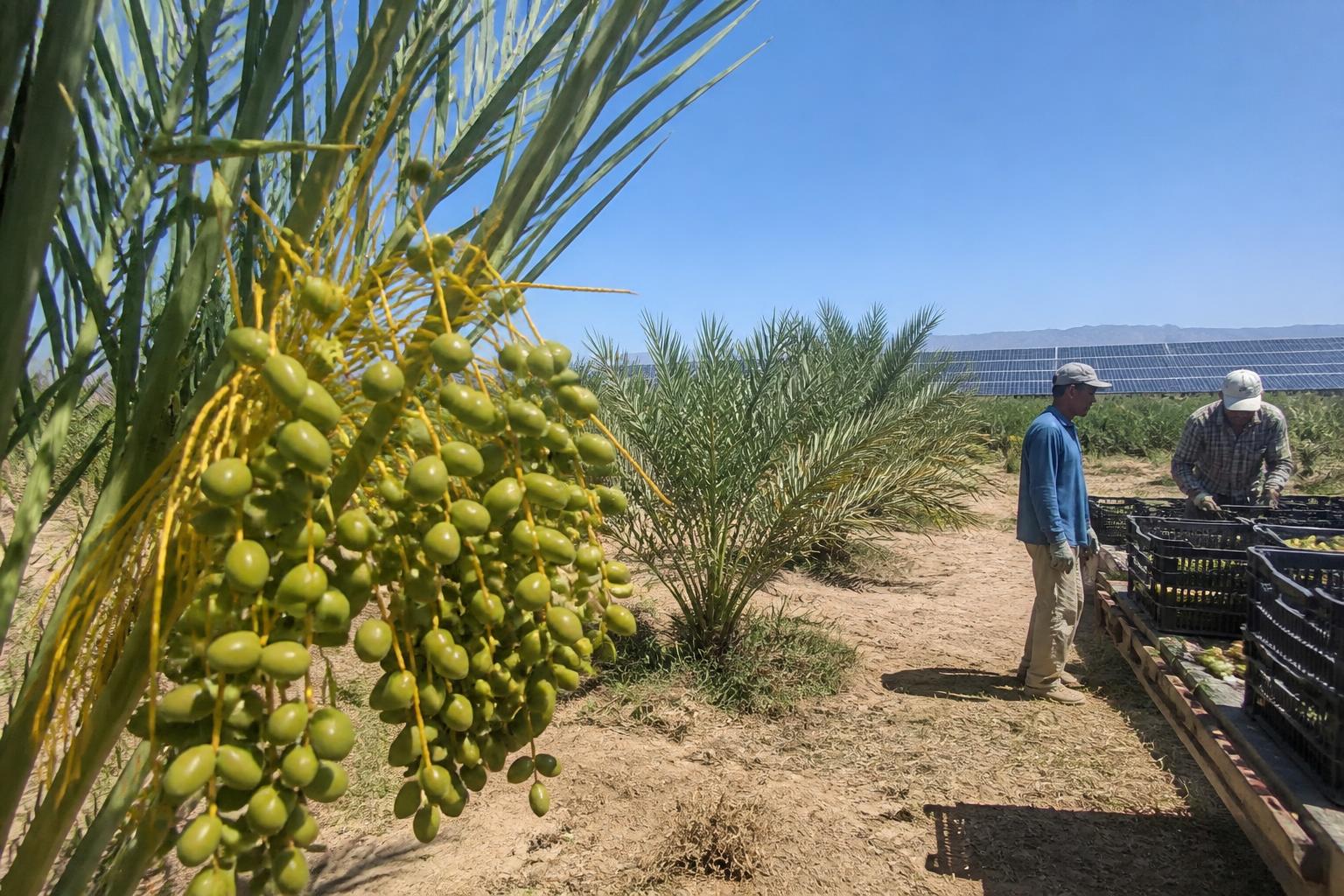
Arizona agricultural producers are navigating a dynamic season, with field operations focused on maintaining crop health amid shifting environmental pressures. As growers manage late-summer crops, the integration of targeted protection strategies remains vital for maximizing yield potential. The recent introduction of new fungicide labels, including options like RHYME, provides producers with additional tools to manage fungal pathogens that can impact specialty crop quality in the Southwest.
Managing Pest Resistance in the Field
Beyond standard chemical applications, many growers are observing changing patterns in insect resistance, prompting a greater reliance on integrated pest management (IPM) protocols. University-led research continues to shed light on novel genetic foundations for resistance in biotech crops, offering producers new data to inform their long-term pest management strategies. By staying informed on these emerging developments, operations can better anticipate shifts in pest behavior and adjust their intervention plans accordingly.
Innovation in Crop Protection
The landscape of agricultural protection is also being influenced by collaborative efforts to streamline intellectual property processes for new innovations. For those looking to optimize their resource-constrained growing environments, these advancements may lead to faster access to cutting-edge technologies. Whether it is re-evaluating root health in corn or managing insect populations in vegetable corridors, Arizona producers are increasingly leveraging technical insights to protect their bottom line during the heat of the season.
What it means for the market
For grain handlers, input buyers, and regional agribusinesses, the current focus on adaptive protection measures underscores the need for localized inventory planning. As the sector continues to prioritize efficiency, maintaining consistent access to reliable crop protection products and diagnostic services will remain a cornerstone of successful operations in the coming months. Farmers should work closely with their suppliers to align application schedules with regional pest trends.
Comments
No comments yet - be the first to share your take.