
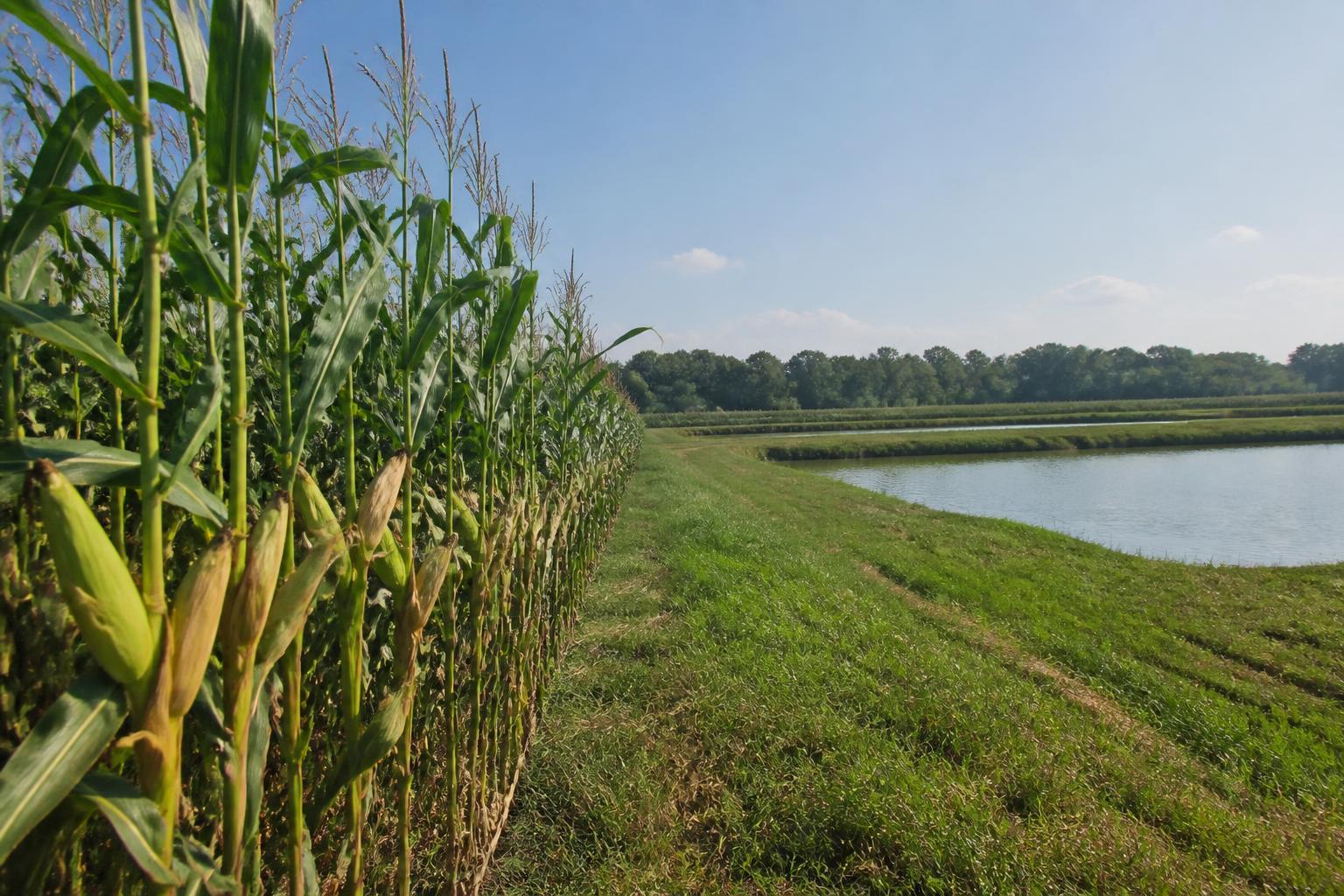
Mississippi agriculture is navigating a complex late-summer landscape as growers work to maintain crop health. While some regions have benefited from timely midseason rainfall that bolstered soybean fields, the broader economic climate continues to place pressure on margins across multiple sectors, including traditional row crops and aquaculture.
For producers, effective crop health management remains the top priority as the season advances toward harvest. Producers are often reminded that building institutional resilience, whether through diversified risk management or staying informed on local research, is essential to weathering the current cycle of input costs and commodity price swings.
Logistical Considerations and River Navigation
As harvest approaches, the reliability of transportation networks remains a critical focal point for Mississippi agribusinesses. Challenges involving logistics and variable river levels can significantly impact the movement of grain and essential inputs. Producers and elevators are encouraged to monitor river conditions closely, as fluctuations can necessitate adjustments to regional supply chain strategies.
Looking Ahead
Despite the hurdles, Mississippi continues to leverage a strong research foundation, with local institutions working to support faculty and producers in developing more robust operational models. Whether dealing with groundwater resources or navigating the complexities of regional export markets, the emphasis remains on operational efficiency and proactive planning.
What it means for the market
Producers should expect continued pressure on margins throughout the remainder of the season. Success will likely depend on minimizing supply chain disruptions and staying flexible in the face of shifting export demand. Maintaining clear communication with local storage facilities and logistics partners is highly recommended as we approach the peak harvest window.
Comments
No comments yet - be the first to share your take.