
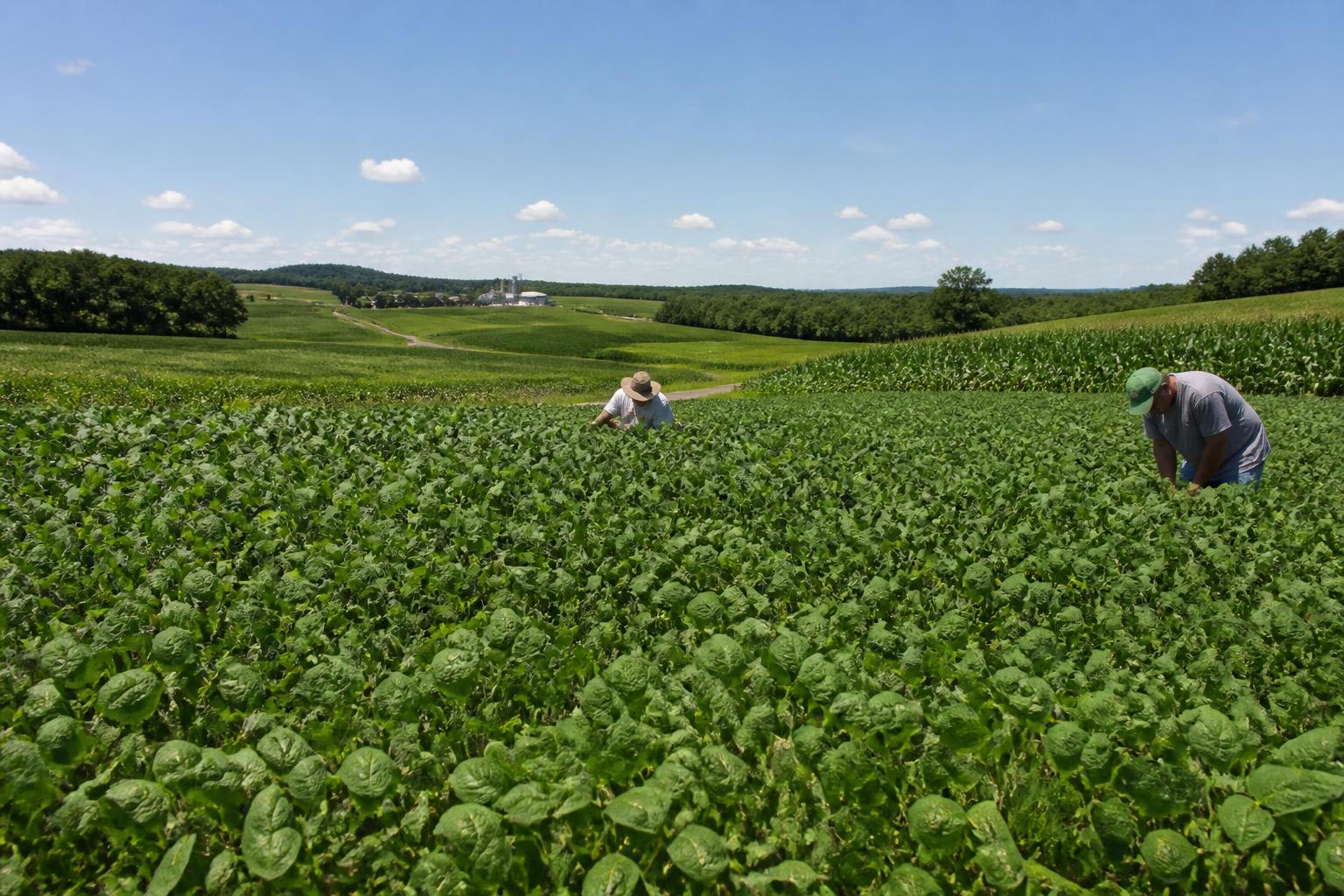
Managing Emerging Pest Pressures
As Connecticut producers navigate the late-summer window, maintaining diligent crop protection remains a top priority. The seasonal uptick in pest activity requires heightened awareness, particularly as regional conditions favor the movement of invasive species. Proactive monitoring for the spotted lanternfly is recommended across both production fields and surrounding transit corridors, where density-related movement can increase local pressure. For those managing grain or specialty crops, keeping fields secure from encroaching wildlife and invasive threats is essential to protecting yield quality during the final stages of the growing season.
Resource Deployment and Financial Recovery
The state's agricultural sector continues to benefit from incoming financial relief, with recent efforts finalizing significant federal disaster support aimed at farmland restoration. These funds are intended to help operations stabilize following earlier environmental challenges. Furthermore, local agricultural authorities are staying vigilant regarding broader biosecurity threats, including ongoing monitoring for foreign animal diseases and other emerging biological hazards. Ensuring that farm-level protection protocols are aligned with seasonal shifts can help mitigate risks to both animal and plant health.
Key Takeaways for Producers
- Stay Informed: Continue to cross-reference state updates on invasive species monitoring as you prepare for upcoming harvest activities.
- Capitalize on Support: Eligible operations should verify their status regarding recent farmland restoration grant awards and federal disaster relief packages.
- Infrastructure Planning: While state-level policy discussions regarding mandates like electric vehicles are ongoing, maintain focus on core operational infrastructure and pest exclusion measures.
What it means for the market: For the Connecticut agribusiness community, this period is defined by a transition toward recovery and protection. While market prices for commodities like corn and soybeans remain subject to national volatility, local profitability hinges on minimizing crop losses from pests and effectively utilizing available financial grants to bolster farm resilience.
Comments
No comments yet - be the first to share your take.